Complete Guide to Physiotherapy for Scoliosis Treatment
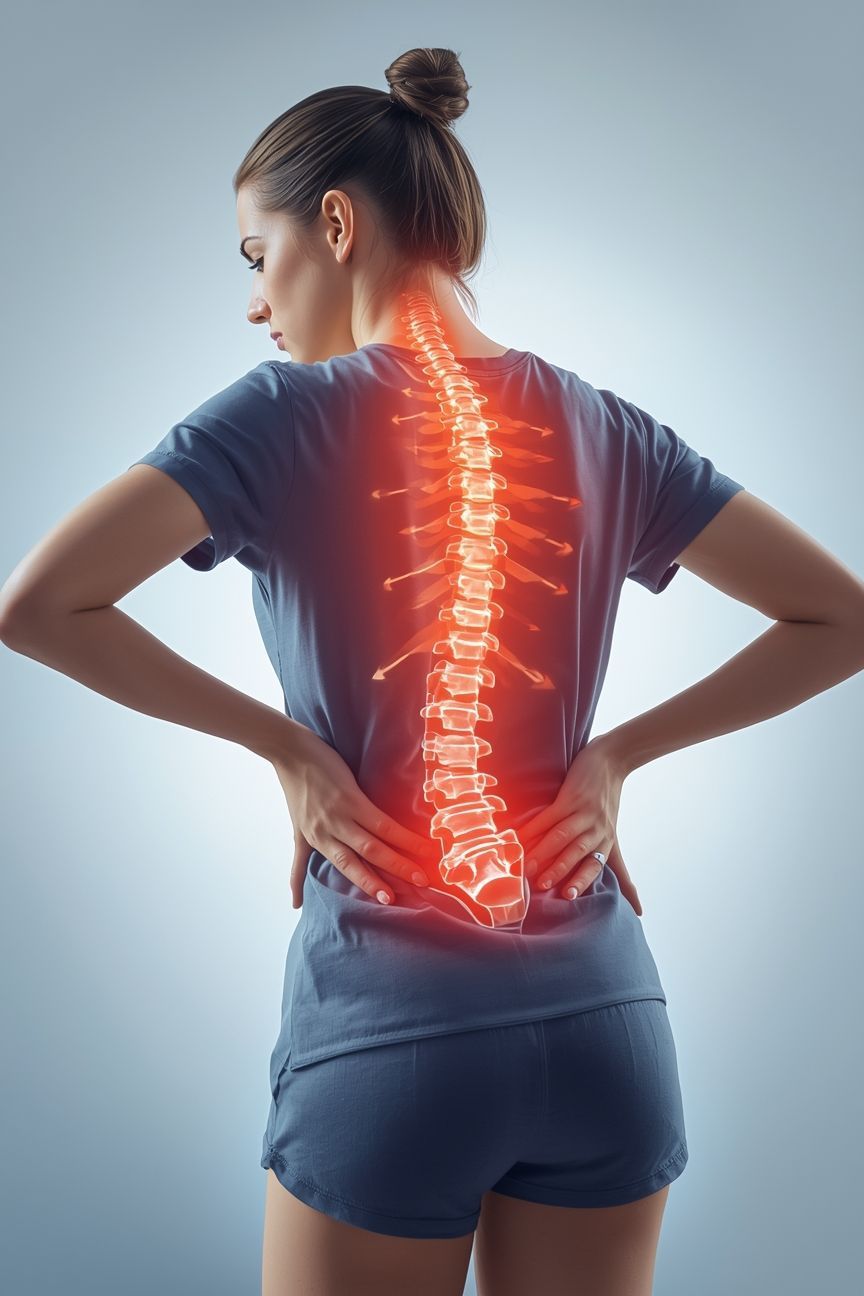
Scoliosis, a spinal condition characterized by an abnormal curvature, poses unique challenges to those affected. Understanding scoliosis and its treatment options, particularly physiotherapy, is essential. This blog post aims to shed light on the development of scoliosis, its most effective treatments, and the role of physiotherapy in managing this condition.
How Does Scoliosis Develop?
Scoliosis typically develops during childhood or adolescence, but its exact cause is often unknown, referred to as idiopathic scoliosis. However, some cases are linked to:
- Genetic Factors: A family history of scoliosis increases the likelihood of the condition.
- Neuromuscular Conditions: Conditions like cerebral palsy or muscular dystrophy can lead to the development of scoliosis.
- Congenital Spine Abnormalities: Some individuals are born with spinal deformities that progress into scoliosis.
The Growth Factor
Rapid growth spurts during puberty can exacerbate scoliosis, making early detection and treatment crucial. Regular check-ups during these growth phases are recommended, especially for those with risk factors.
What Is the Most Effective Treatment for Scoliosis?
The effectiveness of scoliosis treatment varies based on the severity and cause of the curve. Treatment options include:
- Observation: Regular monitoring is often the first step for mild cases.
- Bracing: In moderate cases, especially in children and adolescents, bracing can prevent further curvature.
- Physiotherapy: Physiotherapy is increasingly recognized as a vital component of scoliosis management, particularly for pain relief and improving quality of life.
- Surgery: Severe cases with significant curvature may require surgical intervention.
Will Physiotherapy Help Scoliosis?
Physiotherapy in Toronto Downtown plays a significant role in managing scoliosis, especially in conjunction with other treatments. Benefits of physiotherapy for scoliosis include:
- Pain Management: Physiotherapy can help alleviate back pain often associated with scoliosis.
- Improved Mobility: Tailored exercises can enhance flexibility and range of motion.
- Muscle Strengthening: Focusing on the muscles supporting the spine, physiotherapy can promote better posture and spinal alignment.
- Postural Education: Patients learn how to adjust their posture to reduce discomfort and prevent worsening of the curvature.
Customized Physiotherapy Programs
At Rosedale Wellness Centre, physiotherapy for scoliosis involves personalized programs designed to meet each patient's unique needs. These programs may include:
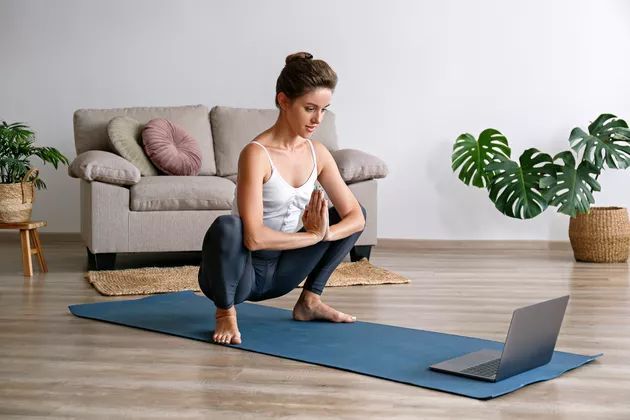
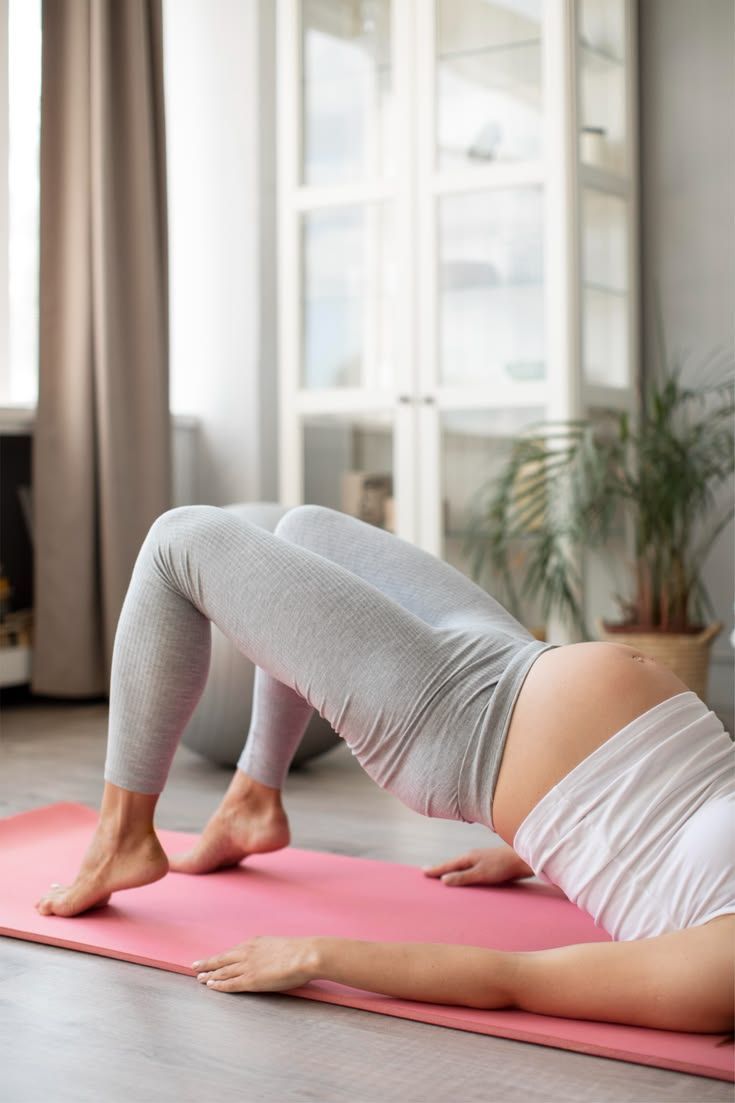
- Specific Strengthening and Stretching Exercises: Targeting the muscles around the spine to support and stabilize.
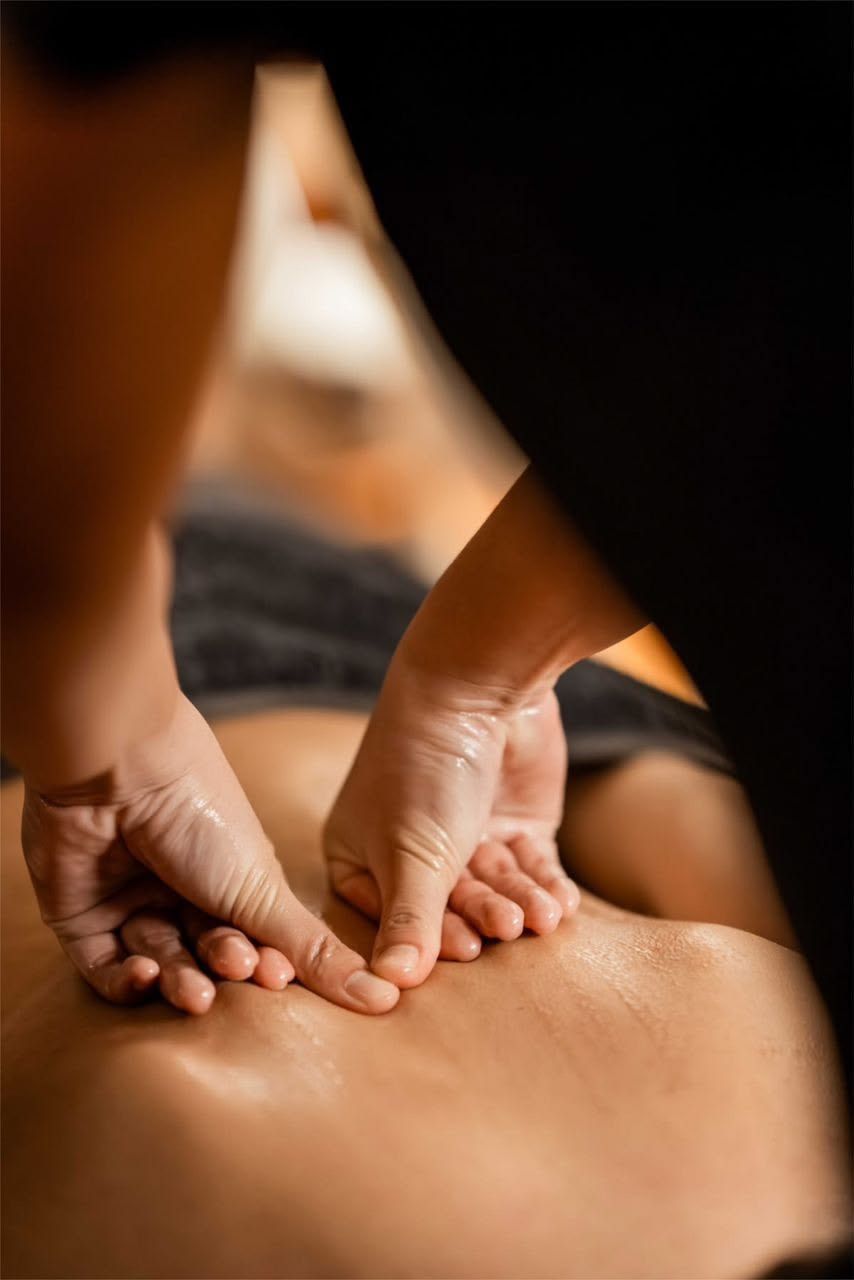
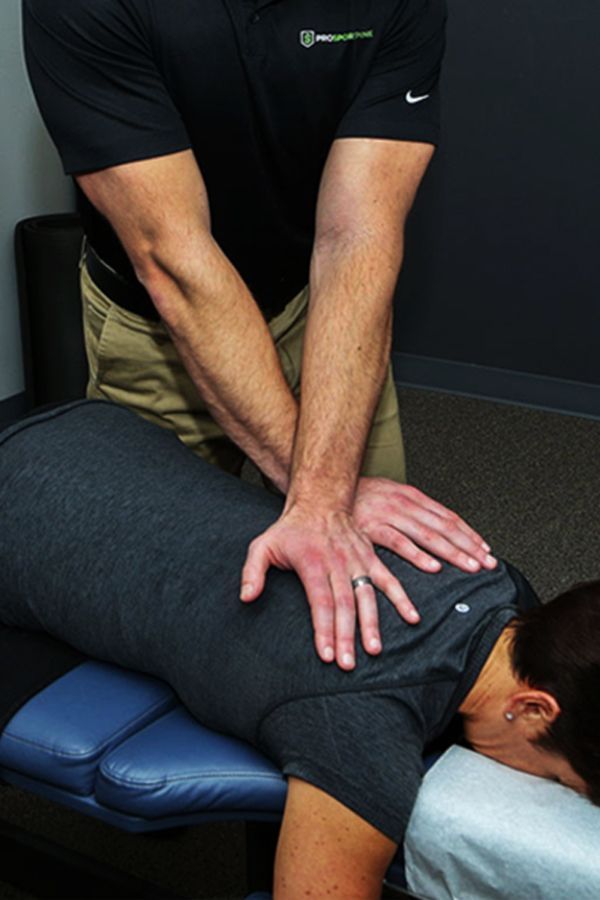
- Manual Therapy: Techniques like massage and mobilization to relieve pain and improve function.
- Postural Training: Guidance on maintaining proper posture during daily activities.
Ongoing Support and Monitoring
Physiotherapy for scoliosis is an ongoing process, requiring regular sessions and at-home exercises. Continuous monitoring allows for adjustments in the treatment plan as needed.
What is the Best Exercise for Scoliosis?
When it comes to managing scoliosis, exercise plays a crucial role. However, it's important to note that the best exercises are those tailored to the individual's specific curvature and physical condition. Generally, the most beneficial exercises for scoliosis include:
- Core Strengthening Exercises: These exercises help in stabilizing and supporting the spine. Planks, for instance, can be effective in building core strength without putting undue pressure on the spine.
- Stretching Exercises: Stretching can improve flexibility and reduce muscle tension around the spine.
- Low-Impact Aerobic Activity: Activities like walking or swimming can improve overall fitness and spinal health without jarring the spine.
Personalized Exercise Programs
Rosedale Wellness Centre offers personalized exercise programs designed to address the unique needs of individuals with scoliosis, ensuring safe and effective management of the condition.
What Should I Avoid If I Have Scoliosis?
Living with scoliosis requires certain lifestyle adjustments to avoid aggravating the spinal curvature. Key things to avoid include:
- High-Impact Activities: Sports or exercises that involve jarring or high-impact movements can exacerbate scoliosis symptoms.
- Improper Lifting Techniques: Lifting heavy objects incorrectly can put additional strain on the spine.
- Prolonged Inactivity: Extended periods of sitting or inactivity can weaken the muscles supporting the spine, worsening scoliosis symptoms.
- Certain Exercises and Sports: Activities that involve twisting or uneven loading of the spine, such as gymnastics or golf, may need to be modified or avoided.
Is Chiropractic Care or Physiotherapy Better for Scoliosis?
Choosing between chiropractic care and physiotherapy for scoliosis treatment depends on individual needs and preferences. Both have their merits:
Chiropractic Care for Scoliosis
- Focuses on Spinal Alignment: Chiropractors use spinal adjustments to improve alignment and relieve pain.
- Can Offer Immediate Relief: Some patients experience immediate relief from discomfort after chiropractic sessions.
Physiotherapy for Scoliosis
- Offers a Holistic Approach: Physiotherapy addresses not just the spine but also focuses on strengthening and flexibility, which are crucial for long-term management.
- Includes Tailored Exercise Programs: Physiotherapists design specific exercise routines that target the individual's unique curvature.
- Educates on Posture and Body Mechanics: This knowledge is vital for managing scoliosis in daily life.
Combining Both for Optimal Results
In many cases, a combination of chiropractic care and physiotherapy can provide comprehensive management of scoliosis. This integrated approach can maximize pain relief and functional improvement.
Begin Your Journey to Better Spinal Health
Understanding scoliosis and its treatment options is crucial for effective management. Physiotherapy offers a non-invasive, supportive approach to managing scoliosis, focusing on reducing pain, improving mobility, and enhancing overall quality of life. At Rosedale Wellness Centre, we specialize in providing personalized physiotherapy programs for scoliosis, tailored to each patient's unique needs.
Are you or a loved one dealing with scoliosis in downtown Toronto? Contact us today for a comprehensive approach to scoliosis management. Our expert team is dedicated to helping you achieve better spinal health and an improved quality of life. Take the first step towards effective scoliosis management – reach out to us today.