Sports Chiropractor: Speed Recovery & Prevent Re-Injury
Sports Injury Recovery: How a Sports Chiropractor Speeds Up Healing and Prevents Re-Injury
Most sports injuries don't sideline you because they're severe. They sideline you because you go back too soon, the tissue never fully reloads, and the same weak link gives out again. A rolled ankle in week one becomes a chronic ankle in month three. A tight hip you ignored becomes a hamstring strain on the soccer pitch.
A sports chiropractor's job is to break that loop: find the joint or movement pattern driving the problem, calm the painful tissue down, then rebuild capacity so it holds under sprinting, cutting, and lifting load. At Rosedale Wellness Centre on Bloor Street East, that work happens alongside physiotherapists and massage therapists in the same building.
Common Sports Injuries a Chiropractor Treats
Sports chiropractic isn't only about backs and necks. The bulk of the caseload is limb and soft-tissue injuries that come from repetitive load or a single bad landing.
Ankle and ligament sprains
A sprain is an overstretched or torn ligament, most often the ones on the outside of the ankle after the foot rolls inward. Basketball players landing on another foot and soccer players planting to change direction account for a large share of these. Treatment focuses on restoring ankle joint motion early, then progressive balance and hop training so the ligament and the muscles around it can react fast enough to protect the joint next time.
Muscle strains
A strain is a pulled muscle or tendon. Hamstring strains in sprinters and soccer players, calf strains in runners, and groin strains in hockey players are the usual suspects. The key with strains is graded loading: you can't stretch a torn muscle back to health, you have to slowly reintroduce force until it tolerates full-speed contraction.
Runner's knee
Patellofemoral pain, or runner's knee, is an ache around or behind the kneecap that flares on stairs, hills, and long runs. It's rarely a knee problem in isolation. Weak hips let the thigh rotate inward, which drags the kneecap off track. Address the hip and the cadence, and the knee usually settles.
Tennis elbow
Lateral epicondylitis isn't limited to tennis players. CrossFit athletes doing high-volume pull-ups and grip work, and anyone gripping hard repeatedly, can develop it. It's a tendon overload at the outside of the elbow. Eccentric wrist loading plus a temporary change in grip and volume tends to outperform rest alone.
Shoulder injuries
Rotator cuff irritation and impingement show up in overhead athletes: volleyball, swimming, and the overhead pressing common in CrossFit. The pain sits at the front or side of the shoulder and bites when you raise the arm. Restoring shoulder blade control and thoracic spine rotation usually unloads the cuff faster than treating the shoulder by itself.
Shin splints
Medial tibial stress syndrome, the classic runner's shin splints, is pain along the inner shinbone from a sudden jump in mileage or a switch to harder surfaces. It also catches new runners and people ramping up for a race. Calf capacity, running mechanics, and a sane training progression are the levers that fix it.
How Sports Chiropractic Differs From Regular Chiropractic
General chiropractic care often centers on spinal adjustments to relieve back and neck pain. That's valuable, but it's a narrower target.
Sports chiropractic treats the whole kinetic chain, the way force travels from the foot through the hip, spine, and shoulder during a movement. The assessment looks at how you actually run, jump, and lift, not just where it hurts. A runner with knee pain might get most of their treatment aimed at the hip and ankle.
The other difference is the endpoint. Regular care often aims at being pain-free. Sports care aims at being match-fit: able to sprint, decelerate, change direction, and absorb contact without the injury returning. Rehab doesn't stop when the ache fades; it stops when the tissue tolerates the demands of your sport. For a fuller breakdown of the assessment and the team, the sports chiropractor Toronto service page covers what a first visit looks like.
Treatment Methods Used in Sports Chiropractic
No single technique fixes a sports injury. Recovery comes from layering a few, in the right order.
- Joint adjustments and mobilization. Restoring motion to a stiff joint, an ankle, mid-back, or hip, takes load off the tissue downstream and lets you move without compensating.
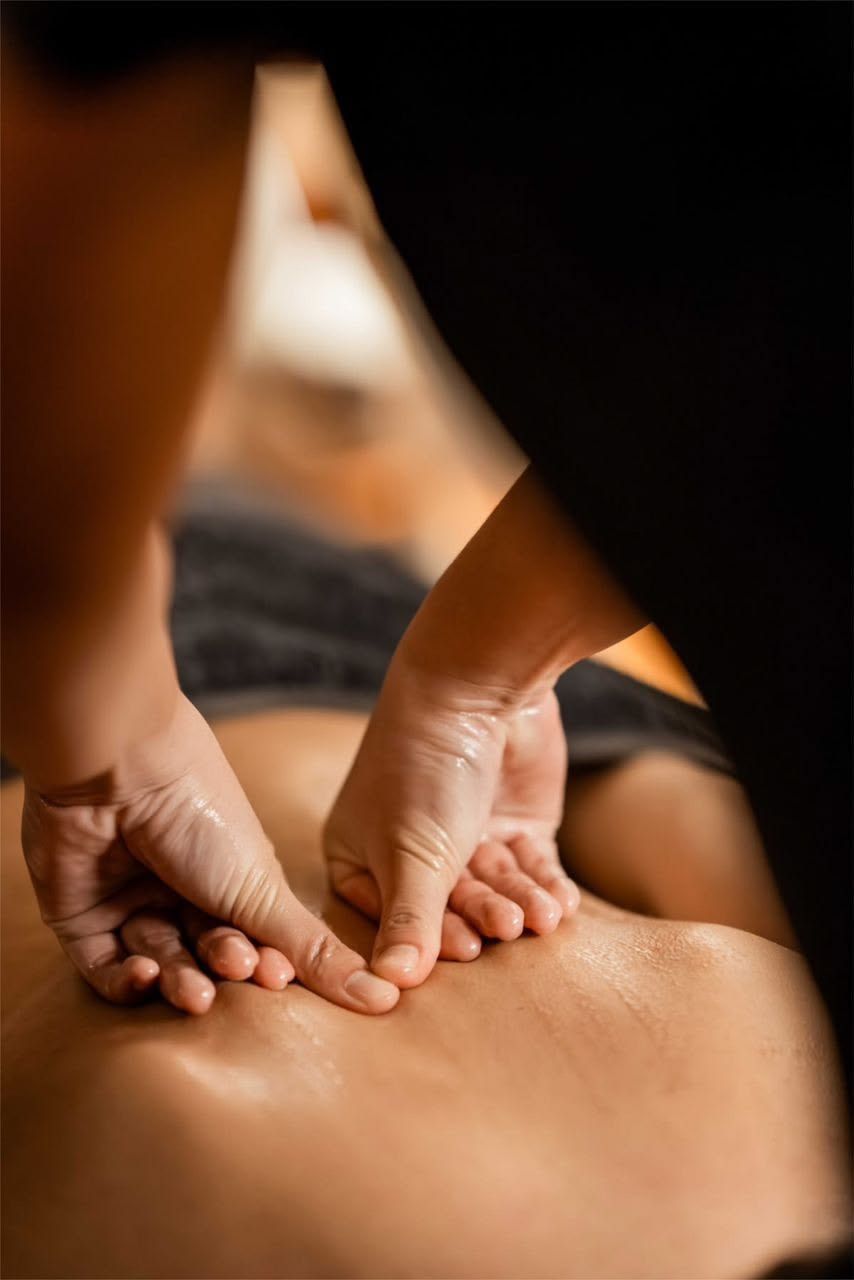
- Soft tissue therapy. Manual release of tight or scarred muscle and fascia, often paired with instrument-assisted work, reduces pain and improves how a muscle glides and contracts.
- Rehabilitation exercise. The part that actually prevents re-injury. Progressive strength and loading work rebuilds the capacity that was lost, starting gentle and ramping toward full-speed, sport-specific drills.
- Taping. Kinesiology or rigid taping can support a healing joint, offload an irritated tendon, or give feedback that helps you move better in the early stages of return to play.
- Modalities. Electrical stimulation, ultrasound, and similar tools can help manage pain and swelling in the acute phase so you can start moving sooner.
When an injury needs more hands-on rehab volume or gait retraining, treatment often runs in parallel with the team at the physiotherapy clinic in downtown Toronto, so you're not bouncing between separate clinics with separate plans.
Recovery Timeline Expectations
Timelines vary with severity, age, and how disciplined the rehab is, but these ranges give a realistic picture of return to sport for a typical, well-managed injury.
- Mild ankle sprain: light activity within 1 to 2 weeks, full sport around 3 to 6 weeks.
- Grade 1 to 2 muscle strain (hamstring, calf, groin): roughly 3 to 8 weeks, with return to sprinting gated by how the muscle tolerates speed, not the calendar.
- Runner's knee: often noticeably better in 4 to 6 weeks once hip strength and training load are addressed.
- Tennis elbow: a slower tendon problem, commonly 6 to 12 weeks, sometimes longer if it was ignored early.
- Rotator cuff irritation: 6 to 12 weeks for most non-tear cases with consistent rehab.
- Shin splints: 2 to 6 weeks with a load reduction and mechanics work, longer if you keep training through it.
The single biggest factor in these numbers is whether you finish the strengthening phase. Stopping when the pain goes is exactly how injuries come back.
How to Prevent Re-Injury
Prevention isn't complicated, but it does need to be consistent. A few habits cover most of it.
Warm up like it matters
Skip the long static stretches before activity. A dynamic warm-up, leg swings, lunges, gradual sprint build-ups, or sport-specific movement, raises tissue temperature and primes the muscles to fire. Hockey players benefit from off-ice activation before stepping on the ice; runners benefit from a few minutes of easy jogging and drills before a hard session.
Build mobility and strength where you're weak
Most recurring injuries trace back to one limited joint or one weak muscle group. Hip mobility for runners and soccer players, thoracic rotation for overhead athletes, and ankle range for anyone who jumps. A short, targeted therapeutic exercise routine beats a long generic one.
Respect training load
Sudden spikes in volume or intensity cause a large share of overuse injuries, the new runner who doubles mileage, the CrossFit athlete chasing a PR every session. Increase gradually and build in recovery.
Use maintenance visits
Periodic check-ins during heavy training blocks catch a stiff joint or a developing imbalance before it becomes a strain. Athletes in season often book maintenance visits the way they schedule rest days: as part of staying available to play.
Frequently Asked Questions
Do I need a referral to see a sports chiropractor?
No. Chiropractors are primary contact practitioners in Ontario, so you can book an assessment directly. If imaging or another opinion is needed, that gets arranged as part of your plan.
How soon after an injury should I come in?
Sooner is better. Early assessment rules out anything serious and gets the right loading started, which usually shortens recovery. You don't have to wait for the pain to settle on its own first.
Is sports chiropractic only for competitive athletes?
No. Recreational runners, weekend soccer and basketball players, CrossFit members, and active people of any level make up most of the caseload. The approach is the same: get you back to the activity you actually do.
How many visits will I need?
It depends on the injury and stage, but many people feel meaningful change within the first few visits. Full return to sport takes a course of treatment that tapers as you take over the strengthening work yourself.
Can chiropractic care actually prevent injuries, not just treat them?
Treatment alone doesn't, but the prevention plan that comes with it does the work: addressing mobility limits, strengthening weak links, and managing training load. Maintenance visits help keep those gains in place.
Book a Sports Chiropractic Assessment
If you're nursing an injury, stuck in a re-injury cycle, or just want to train without your body breaking down, start with an assessment. Rosedale Wellness Centre is at 120 Bloor St E #105 in Downtown Toronto, with same-day appointments and direct billing available. Call (416) 975-0499 or book online to get a clear plan for getting back to your sport and staying there.