Pelvic Floor Exercises: Pregnancy & Postpartum Guide
Pelvic Floor Exercises During Pregnancy and Postpartum: A Trimester-by-Trimester Guide
Most people first hear "do your Kegels" at a prenatal appointment and get no instructions beyond that. This guide fills the gap. It walks through which pelvic floor exercises are safe in each trimester, how to rebuild after birth without rushing it, and the warning signs that mean you should stop and see a clinician. The focus here is on the actual movements, the reps, and the timing, not just the theory.
Your pelvic floor is a sling of muscles running from your pubic bone to your tailbone. It supports your bladder, bowel, and uterus, controls when you pee and poo, and works with your deep abdominals and diaphragm to manage pressure every time you cough, lift, or laugh. Pregnancy loads this system for nine months, and birth, whether vaginal or Cesarean, leaves it needing a deliberate rebuild.
How to Find and Feel Your Pelvic Floor First
Before any program, you need to know you're contracting the right muscles. Sit or lie comfortably and imagine stopping the flow of urine and holding back gas at the same time. That gentle lift and squeeze up and in is your pelvic floor contraction. You should feel nothing happening in your buttocks, thighs, or belly.
The release matters as much as the squeeze. After each contraction, consciously let go and feel the muscles drop back to resting length. Many people can clench but never fully relax, and a pelvic floor that lives in a half-tightened state causes just as many problems as a weak one.
Pair every contraction with your breath. Exhale gently as you lift the pelvic floor, inhale as you release. If you find yourself holding your breath or bearing down, stop and reset. Bearing down is the opposite of what you want.
Pelvic Floor Exercises During Pregnancy, Trimester by Trimester
First Trimester (Weeks 1 to 12): Build the Habit
This is the easiest time to learn good technique, before the bump changes how you move. Start with what physiotherapists call quick flicks and long holds.
- Long holds: Lift and squeeze, hold for 5 seconds, then fully release for 5 seconds. Aim for 8 to 10 repetitions.
- Quick flicks: Lift and release in one second, repeat 10 times. These train the fast-twitch fibres that stop a leak when you sneeze.
- Frequency: Three short sets a day. Anchor them to habits you already have, like brushing your teeth or waiting for the kettle.
Add diaphragmatic breathing in this window too. Lie on your back with knees bent, one hand on your ribs, and breathe so the lower ribs expand sideways. This coordinated breathing is the foundation everything else builds on.
Second Trimester (Weeks 13 to 27): Add Position and Load
As the uterus grows, lying flat on your back for long periods can compress a major vein and make you lightheaded. Move your pelvic floor work to seated, side-lying, or hands-and-knees positions instead.
- Seated holds: Do your 5-second holds sitting upright on a firm chair, which adds a little gravity-based load.
- Bird dog: On hands and knees, extend the opposite arm and leg while gently engaging your pelvic floor and deep core. Hold 3 to 5 seconds per side.
- Supported squats: Hold a counter or chair and lower into a comfortable squat, exhaling and lifting the pelvic floor as you stand. These keep the muscles strong and mobile for birth.
Keep practising the full release. Late in this trimester, learning to relax and lengthen the pelvic floor becomes important for a vaginal birth, because the muscles need to yield, not just contract.
Third Trimester (Weeks 28 to 40): Mobility and Birth Prep
Now the emphasis shifts toward flexibility, relaxation, and preparing for delivery. Continue light strengthening, but add positions that open the pelvis.
- Deep supported squats and gentle pelvic tilts: These ease back pressure and keep the hips mobile.
- Pelvic floor relaxation: Practise a slow exhale with a soft, downward "letting go" of the pelvic floor. This is the sensation you'll want during pushing.
- Perineal awareness: Many clinicians recommend perineal massage from around 34 weeks to reduce tearing. A pelvic floor physiotherapist can show you how.
If you've had any leaking, heaviness, or pelvic pain during pregnancy, this is the ideal time for a professional assessment so you go into birth and recovery with a clear plan.
Safe vs. Unsafe Exercises During Pregnancy
Movement during pregnancy is encouraged, but some patterns load the pelvic floor and abdominal wall in ways that can backfire. Use this as a general guide and confirm specifics with your own clinician.
Generally safe:
- Pelvic floor contractions and releases
- Diaphragmatic breathing and bird dog
- Walking, swimming, and stationary cycling
- Supported squats and gentle modified planks against a wall or counter
- Prenatal yoga and Pilates with a qualified instructor
Best avoided or modified:
- Full sit-ups and crunches, which strain an already-stretched abdominal wall and can worsen separation
- Heavy lifting with breath-holding, which spikes downward pressure on the pelvic floor
- High-impact jumping later in pregnancy if you have any leaking or heaviness
- Lying flat on your back for extended periods after the first trimester
- Contact sports or anything with a fall risk
The simple rule: if a movement makes you hold your breath, bear down, or feel a bulge or dragging sensation in your vagina, stop and modify it.
Diastasis Recti and the Pelvic Floor Connection
Diastasis recti is the widening of the gap between the two halves of your "six-pack" muscle along a connective tissue line called the linea alba. It happens to most pregnant people to some degree as the belly stretches, and it directly affects the pelvic floor.
Think of your core as a canister: the diaphragm on top, the deep abdominals around the sides and front, and the pelvic floor at the base. When the front wall separates and loses tension, that canister can't manage pressure well, so the pelvic floor takes more of the load. This is why diastasis often shows up alongside leaking, heaviness, or back pain.
You can check for it postpartum by lying on your back, knees bent, and lifting your head slightly while feeling along the midline above and below your navel for a gap or a soft, doming bulge. A gap wider than two finger-widths, or one that domes when you move, is worth having assessed.
Recovery starts with breath and deep core connection, not crunches. Gentle exhale-and-engage drills, where you breathe out and draw the lower belly and pelvic floor up together, retrain the system to work as a unit. Aggressive ab work too early can make a separation worse, which is exactly why a guided progression matters.
Postpartum Pelvic Floor Recovery Timeline
Recovery is paced by how you feel, not by a fixed calendar, but here's a realistic framework. Birth method, tearing, stitches, sleep, and feeding all shift these windows.
Weeks 0 to 2: Rest and Reconnect
Focus on healing. Gentle diaphragmatic breathing and very light pelvic floor contractions, only if comfortable, help reawaken the muscles and improve circulation. No structured exercise. Support your perineum or Cesarean incision when you cough or sneeze.
Weeks 2 to 6: Gentle Activation
Reintroduce pelvic floor holds and releases, pelvic tilts, and breath-led deep core work. Keep everything low-effort. If you had a Cesarean, respect the longer healing timeline of the incision before adding any core tension.
Weeks 6 to 12: Build Strength
After your medical clearance, progress to glute bridges, modified squats, bird dog, and side-lying leg work, always pairing the movement with a gentle exhale and pelvic floor lift. This is the ideal window for a postpartum pelvic floor assessment to check your healing and tailor the next phase.
3 to 6 Months: Return to Impact
Running, jumping, and heavier lifting go here, not earlier. Current return-to-running guidance suggests waiting until around three months postpartum and only after you can manage impact without leaking, heaviness, or pain. A simple home screen, hopping, single-leg balance, and a brisk walk-jog with no symptoms, tells you whether you're ready.
When to See a Pelvic Floor Physiotherapist
Some symptoms are common but not normal, meaning they happen often yet shouldn't be left to "sort themselves out." Book an assessment if you notice any of the following during pregnancy or after birth:
- Leaking urine when you cough, sneeze, laugh, or exercise
- A sense of heaviness, dragging, or a bulge in the vagina (a possible sign of prolapse)
- Pain during sex after the early postpartum healing period
- A noticeable doming or gap along your midline that doesn't improve
- Difficulty controlling wind or bowel movements
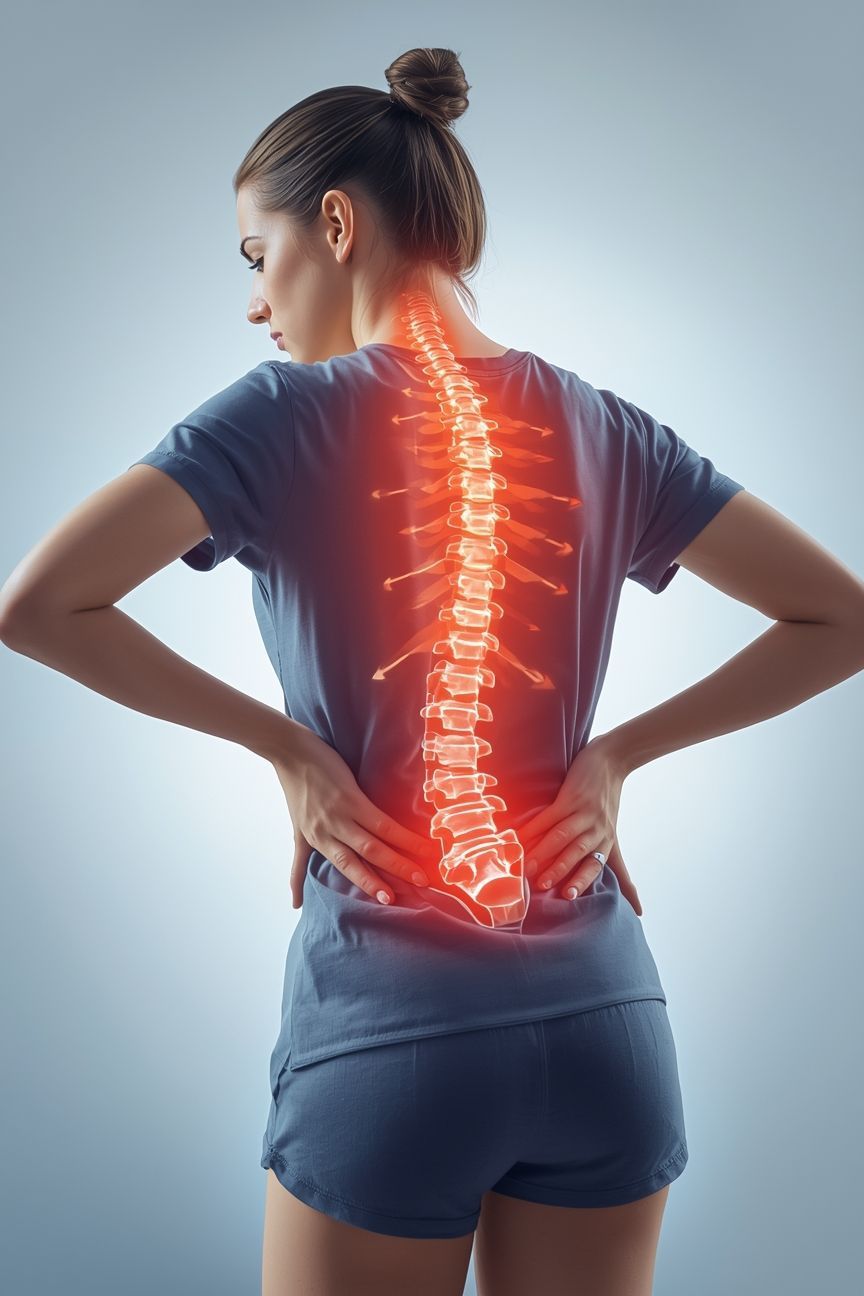
- Ongoing pelvic, pubic bone, or low back pain
- Trouble feeling or contracting your pelvic floor at all
A pelvic floor physiotherapist can assess muscle strength, tension, and coordination directly, then build a program that matches your body rather than a generic handout. At Rosedale Wellness Centre, our Toronto pelvic floor physiotherapy team works with people through every stage from prenatal preparation to postpartum return to activity.
What to Expect at a Pelvic Floor Physiotherapy Appointment
A first visit usually runs about an hour. It starts with a conversation about your birth history, current symptoms, daily activities, and goals, whether that's running again, lifting your toddler without leaking, or pain-free intimacy. Nothing happens without your consent.
With your permission, the physiotherapist may do an internal assessment, the most accurate way to gauge pelvic floor strength, tension, and coordination. If you're not comfortable with that, external assessment and real-time feedback tools are alternatives. You'll leave with a clear, prioritised home program and milestones to track.
Because pregnancy and recovery load the hips, low back, and whole body, many clients combine pelvic care with hands-on bodywork. Our Toronto pelvic floor physiotherapy services sit alongside massage therapy in Toronto so you can address tension and recovery together under one roof.
Frequently Asked Questions
Are pelvic floor exercises safe in the first trimester?
Yes. Gentle pelvic floor contractions and breathing are safe and beneficial from early pregnancy for most people. They build awareness and control before the bump changes your movement. If you have any complications, check with your maternity care provider first.
How soon after birth can I start pelvic floor exercises?
Gentle breathing and light contractions can often begin within the first few days if they feel comfortable, since they aid healing and circulation. Hold off on structured strengthening until the early weeks have passed, and progress to harder work only after your postnatal medical clearance, usually around six weeks.
Will Kegels alone fix postpartum leaking?
Not always. Kegels help if your pelvic floor is genuinely weak, but leaking can also come from muscles that are too tight, poorly coordinated, or struggling with pressure management. That's why an assessment matters, so you train what your body actually needs instead of guessing.
Can I do pelvic floor exercises after a Cesarean birth?
Yes. A Cesarean still means nine months of pregnancy loaded your pelvic floor, so it needs rebuilding too. Start with gentle breathing and contractions, and respect the longer healing time of your abdominal incision before adding core tension.
How do I know if I have diastasis recti?
Lie on your back with knees bent, lift your head slightly, and feel along the midline above and below your navel. A gap wider than about two finger-widths, or a soft bulge that domes outward when you move, suggests separation worth having assessed.
When can I safely return to running after having a baby?
Current guidance suggests waiting until around three months postpartum, and only once you can hop, balance on one leg, and walk-jog without any leaking, heaviness, or pain. A pelvic floor physiotherapist can run a simple readiness screen with you.
Start Your Prenatal or Postpartum Plan
A tailored plan beats generic advice every time, whether you're preparing your body for birth or rebuilding after it. Book a prenatal or postpartum pelvic floor physiotherapy assessment at Rosedale Wellness Centre in downtown Toronto and get a program built around your body, your birth, and your goals. Call 416-975-0499 or book online to get started.