Myofascial Release Therapy: Techniques & Benefits
Myofascial Release Therapy: What It Is, How It Works and What It Treats
Myofascial release therapy targets the fascia, the connective tissue wrapping every muscle, bone and organ in the body, once it becomes tight or restricted after an injury, repetitive strain or months of poor posture. Our earlier post on fascia covered what this tissue is; this guide covers the treatment itself: the techniques used, the conditions it addresses, what a session feels like, and how to release tight fascia yourself between visits.
What Myofascial Release Therapy Actually Does
Healthy fascia glides smoothly over the muscle underneath it. When it dehydrates or scars down after an injury, a car accident, or long stretches of sitting at a desk, it forms adhesions: tight bands that restrict movement and refer pain to areas away from the original problem. A knot in the upper trapezius is a common myofascial trigger point, and can refer pain to the temple as a headache rather than staying put in the shoulder.
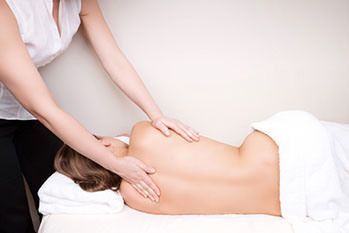
Myofascial release therapy uses sustained pressure and slow stretching to soften these restrictions. Rather than a quick rub over a sore spot, the therapist holds pressure at a restriction, sometimes for 90 seconds or longer, and waits for the fascia to release instead of forcing it.
Techniques Used in Myofascial Release Therapy
Direct vs. Indirect Release
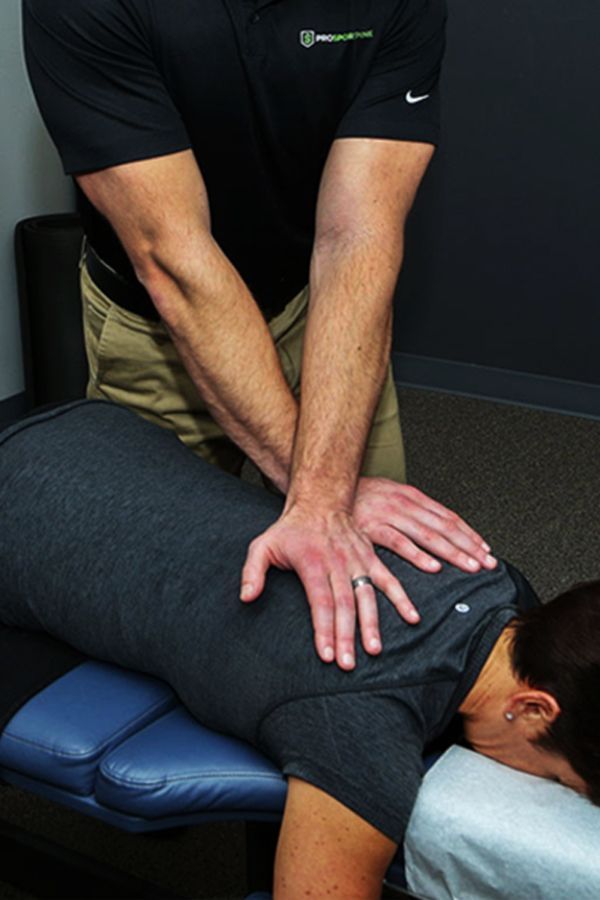
Direct release applies firm, sustained pressure straight into a restriction or trigger point, often along the muscle fibre. It's used on a stubborn knot in the shoulder blade or a tight IT band, and can feel intense for the first 20 to 30 seconds before the tissue softens. Indirect release uses gentle, low-load pressure and lets the tissue guide the therapist's hands toward the path of least resistance, suiting sensitive areas or patients who find direct pressure too much.
Instrument-Assisted Release and Foam Rolling
Instrument-assisted myofascial release uses stainless steel or edged tools to find and break up adhesions the hands might miss, in dense tissue like the plantar fascia or IT band; our therapists pair tools with manual work rather than using instruments alone. Foam rolling is the self-administered, lower-intensity version. It's useful for maintenance between visits, but it can't reach small, specific trigger points the way a therapist's hands can, so it supplements in-clinic treatment rather than replacing it.
How Myofascial Release Differs From Regular Massage
A relaxation or Swedish massage moves at a steady pace across large muscle groups to ease general tension and improve circulation. Myofascial release therapy is slower and more targeted: the therapist locates a specific restriction and holds pressure until the tissue changes under their hands, sometimes staying in one spot for several minutes. Sessions also use less oil, since gliding disrupts the sustained pressure the technique depends on, and it's frequently paired with massage therapy in Toronto rather than delivered as a standalone relaxation service.
Conditions Myofascial Release Therapy Treats
Myofascial pain syndrome treatment, where trigger points refer pain to other parts of the body, is what myofascial release therapy is most directly built to address. Beyond that, it's commonly used for:
- Chronic pain tied to fascia thickened or scarred around an old injury.
- TMJ dysfunction, releasing tension in the jaw, temples and neck that restricts comfortable opening of the mouth.
- Back pain, particularly when tight fascia along the spine limits bending or twisting.
- Headaches that originate in the neck and upper shoulders rather than the head itself.
- Fibromyalgia, where widespread tenderness responds better to sustained, gentle pressure than deep tissue work.
- Postural dysfunction, such as rounded shoulders or a forward head position from fascia locked into a fixed pattern.
For patients managing fibromyalgia specifically, our fibromyalgia specialist in Toronto adjusts pressure and session length, since a standard deep tissue approach can flare symptoms rather than ease them.
What to Expect During a Myofascial Release Session
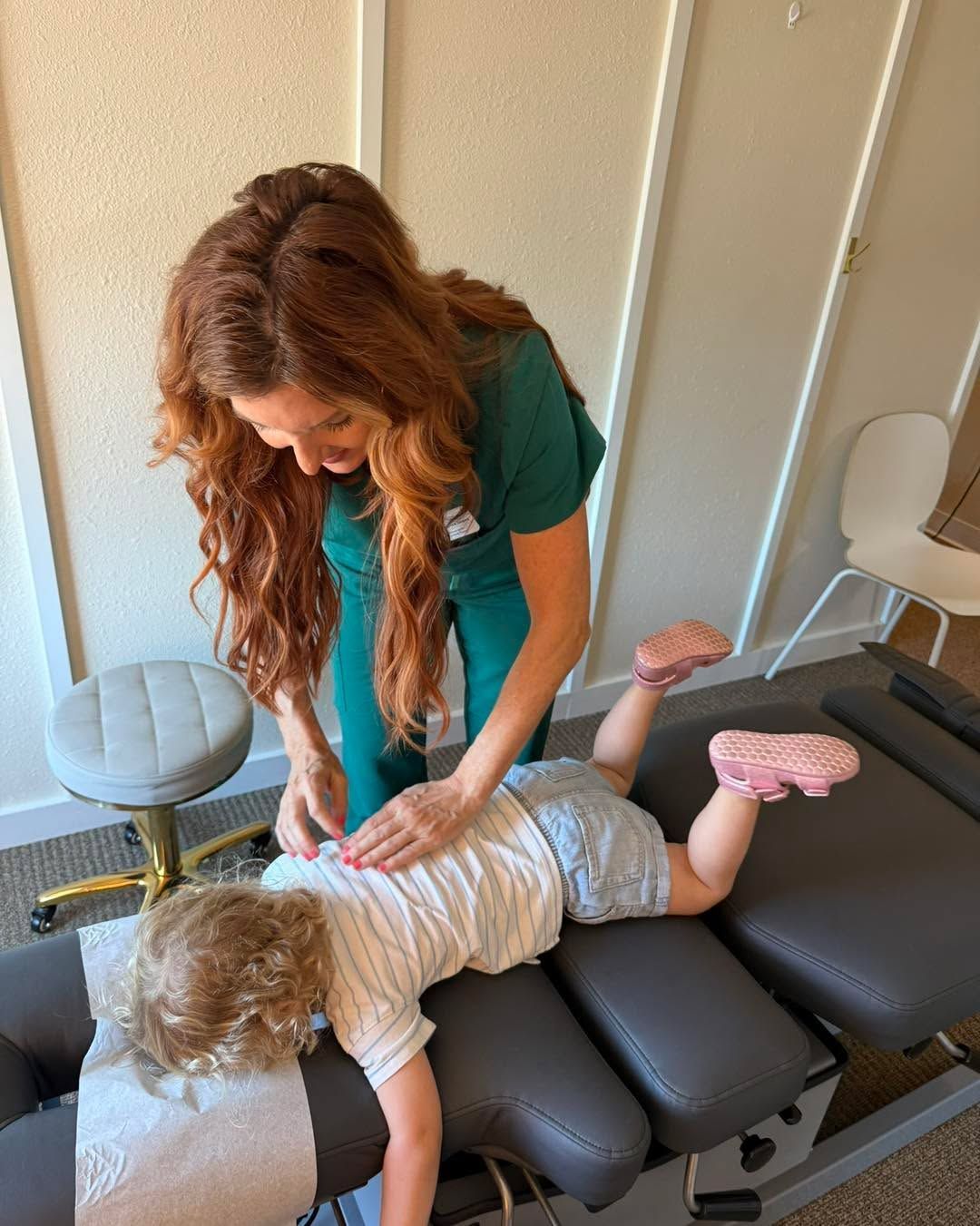
A typical session runs 30 to 60 minutes, standalone or as part of a physiotherapy or chiropractic visit. The therapist assesses which areas of fascia feel restricted, then applies sustained pressure to each one before moving on. Expect a deep stretching sensation rather than sharp pain; tender spots often ease as the tissue releases. Sharp or shooting pain is not normal, and it's worth telling your therapist right away if you feel it.
Myofascial release benefits build gradually: more range of motion, fewer referred aches, and fascia that glides instead of catching, over several sessions rather than one visit. Afterward, drink water, expect mild soreness for a day, and avoid intense exercise for 24 hours.
Self-Myofascial Release Techniques You Can Try at Home
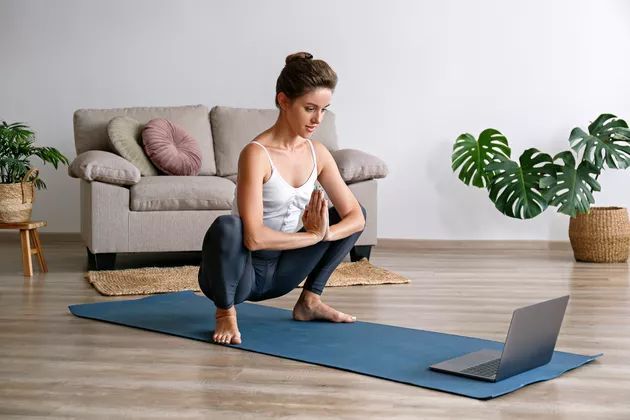
Between clinic visits, self-myofascial release can help maintain the gains from treatment.
- Foam roll slowly. Roll each area for 30 to 60 seconds, pausing on tender spots for 10 to 20 seconds instead of rolling straight over them.
- Use a lacrosse or massage ball for small areas. The upper trapezius, glutes and feet respond well to a ball pressed against a wall or floor, since a foam roller is too broad to target them precisely.
- Breathe into the pressure. Slow, steady breathing while holding a tender spot helps the muscle and fascia relax faster than holding your breath through the discomfort.
- Stop before it's sharp. Aim for a 6 or 7 out of 10 on a discomfort scale, not a 10; pushing through sharp pain irritates the tissue rather than releasing it.
If a spot stays painful for more than a few days, or self-treatment isn't helping, bring it to a therapist instead.
Frequently Asked Questions About Myofascial Release Therapy
How is myofascial release different from trigger point therapy?
Trigger point therapy releases a single, localized knot with direct pressure. Myofascial release therapy treats the surrounding fascia as a connected system, releasing restrictions that may be feeding the trigger point in the first place. Many sessions combine both.
How many sessions does myofascial release therapy usually take to work?
Acute restrictions can ease in 2 to 3 sessions. Fascia tight for years, from an old injury or a long-standing postural habit, typically needs 6 to 8 sessions spaced a week or two apart.
Does myofascial release therapy hurt?
It can feel intense in the first moments a restriction is engaged, similar to a deep stretch, but it shouldn't be sharp. Mild soreness for a day afterward is normal; ongoing pain is not.
Is myofascial release the same as regular massage therapy?
No. Regular massage therapy covers general relaxation and circulation, while myofascial release specifically targets restricted fascia with slower, sustained pressure. Many patients use massage for overall tension and myofascial release for a specific, stubborn area.
Can I do myofascial release on my own with a foam roller?
Foam rolling and a massage ball can maintain results between visits, but they can't replicate a trained therapist's ability to assess and target a specific restriction. A recurring knot or ongoing pain is worth bringing into the clinic.
What should I wear to a myofascial release session?
Loose, comfortable clothing that allows the therapist to access the treatment area, similar to what you'd wear to a massage or physiotherapy appointment.
If tight fascia is limiting movement or feeding chronic pain, book myofascial release therapy in Toronto and our team will build a session plan around what your tissue needs.