Benefits of Prenatal Massage in Toronto
Benefits of Prenatal Massage: Is It Safe, and What to Expect in Toronto
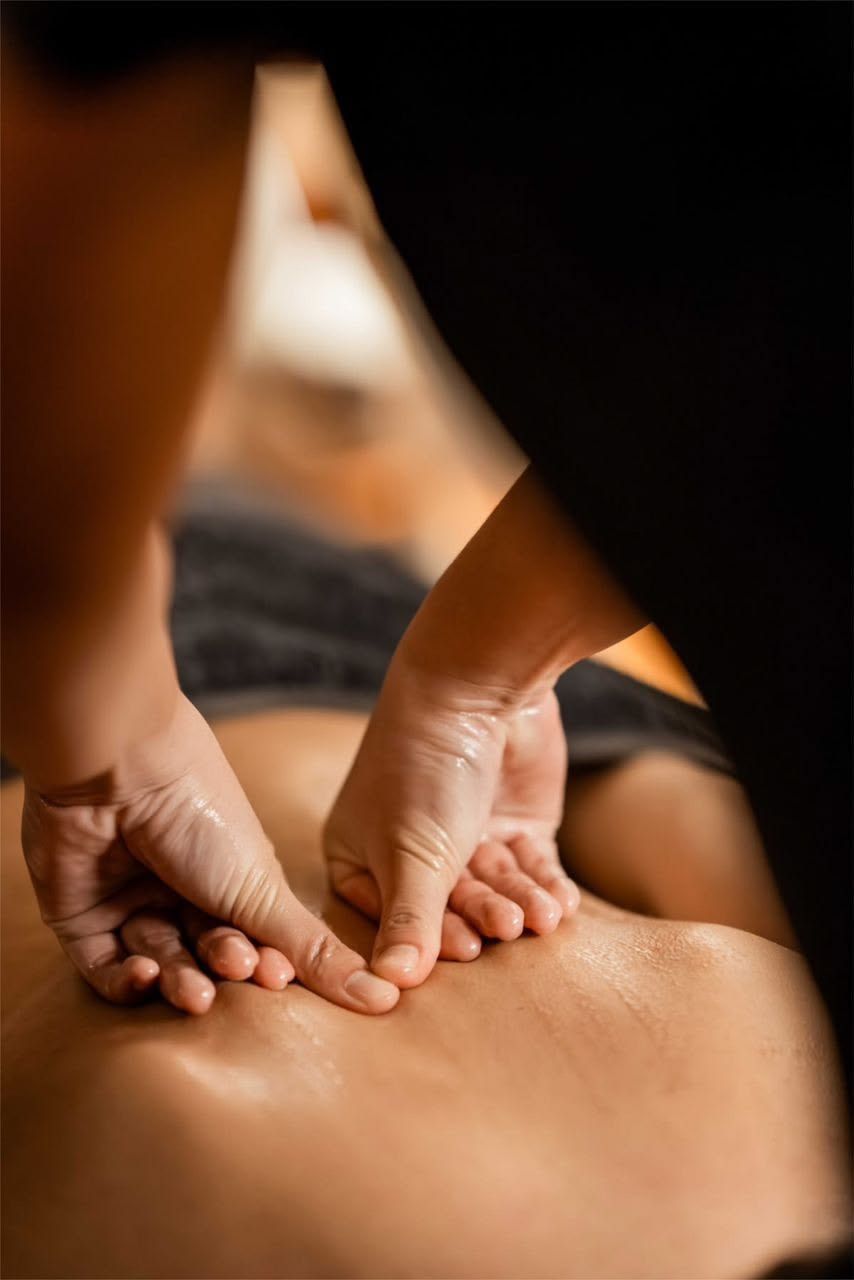
A prenatal massage is a hands-on treatment that a registered massage therapist adapts specifically for pregnancy, using different positioning, lighter pressure in certain areas, and a plan built around the trimester a patient is in. At Rosedale Wellness Centre on Bloor Street in Toronto, RMTs work in the same building as physiotherapists who treat pelvic floor and pregnancy-related pain, so a patient's massage plan can account for issues a general spa massage wouldn't catch.
Is Prenatal Massage Safe?
For most low-risk pregnancies, prenatal massage is safe when performed by a therapist trained in pregnancy-specific positioning. The Mayo Clinic lists massage among the therapies pregnant patients can generally consider, provided there is no high-risk complication and the therapist knows which areas and positions to avoid. The main safety factor is not the massage itself but whether the therapist has the training to adjust for it.
Evidence-Based Benefits of Prenatal Massage
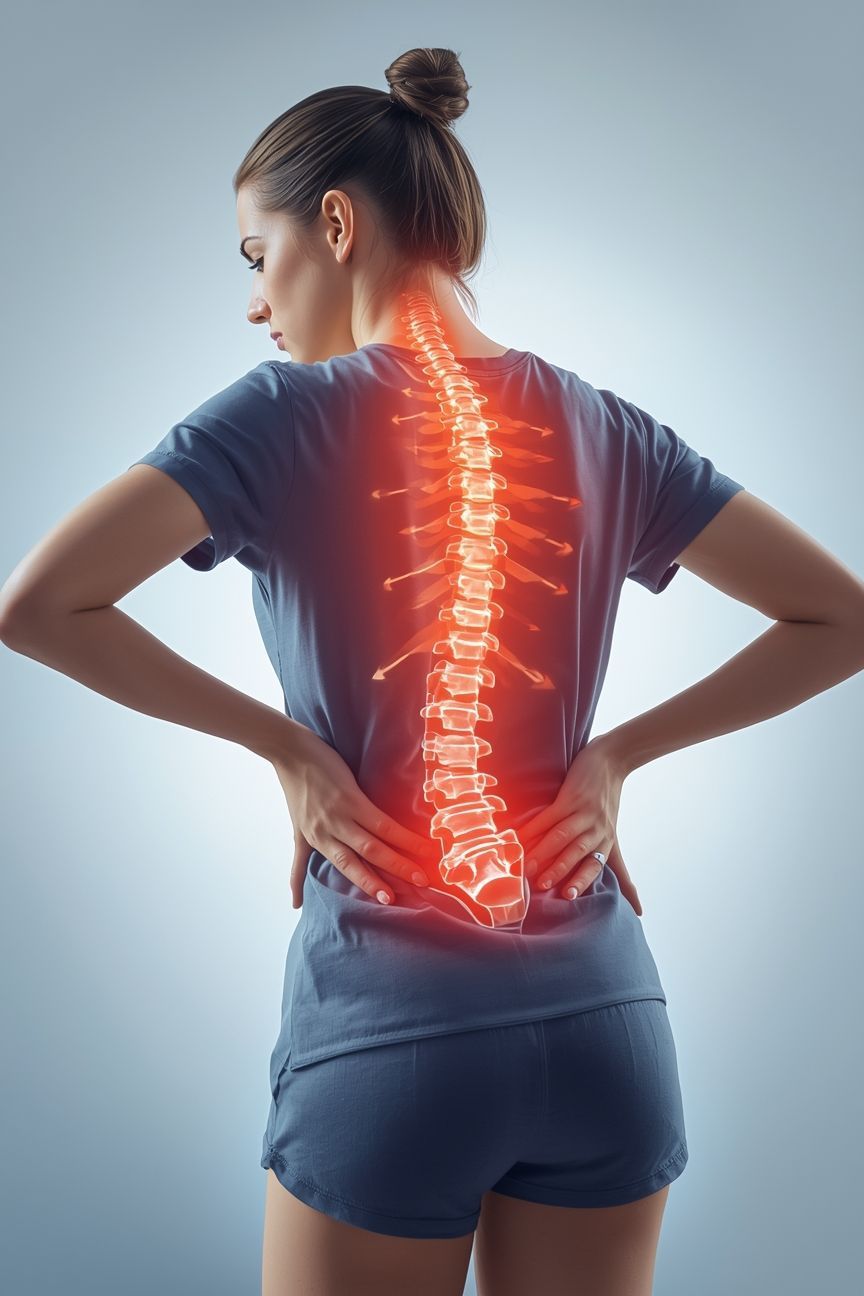
Pregnancy shifts a person's center of gravity forward, which strains the lower back, hips, and round ligaments. Massage that targets these areas can reduce musculoskeletal pain, especially in the second and third trimesters when the extra weight becomes noticeable.
Fluid tends to pool in the legs and feet during pregnancy because a growing uterus puts pressure on the veins returning blood from the lower body. Manual techniques that follow the direction of lymphatic flow can help move that fluid and ease swelling in the ankles and feet.
Discomfort and hormonal changes make sleep harder to come by later in pregnancy. Lower muscle tension after a massage session helps many patients fall asleep more easily and stay asleep longer.
Research from the Touch Research Institute found that pregnant women who received two 20-minute massages a week over five weeks reported lower anxiety and reduced cortisol levels (Field et al., Infant Behavior and Development, 2009). The same research linked regular prenatal massage to shorter labor, though the study sizes were small, so treat this as a possible bonus rather than a guarantee.
Prenatal Massage Safety by Trimester
First Trimester (Weeks 1 to 13)
The first trimester carries the highest miscarriage risk of any stage, which is why many RMTs prefer to wait until week 13 or later before starting massage, or keep pressure light if a patient wants treatment sooner. There's no way to tell from a massage table alone whether a pregnancy is progressing normally, so most clinics treat this as a precaution rather than a hard rule.
Second Trimester (Weeks 14 to 27)
This is generally considered the most comfortable window for prenatal massage. Morning sickness has usually eased, miscarriage risk has dropped, and the belly isn't yet large enough to make positioning difficult.
Third Trimester (Weeks 28 to 40)
Sessions in the third trimester focus on comfort and circulation as the belly grows and swelling becomes more common. Side-lying positioning, described below, becomes the default rather than an option.
Contraindications and Red Flags
Certain symptoms mean a patient should see a doctor before booking a massage, not instead of one. These include a severe headache with vision changes, sudden swelling in the face or hands, pain and swelling in one calf that could signal a blood clot, vaginal bleeding, or a fever. RMTs are trained to screen for these during intake, but a patient noticing any of them should call their doctor or midwife first.
How Prenatal Massage Positioning Differs from a Regular Massage
A regular massage typically has a patient lying face down on a table with a face cradle. During pregnancy, that position becomes impractical, and lying flat on the back for extended periods later on can compress major blood vessels and lower blood pressure.
Prenatal massage instead uses side-lying positioning, propped with pillows or bolsters, or a table with a cutout that supports the belly in a semi-reclined position. Therapists also use lighter pressure around the ankles and lower legs, a precaution some older massage texts recommended around specific pressure points, even though current research hasn't confirmed a direct risk. Outside of pregnancy, standard massage therapy toronto patients receive can use deeper pressure and a wider range of positions since none of these precautions apply.
Postpartum Massage Benefits
Massage doesn't stop being useful once the baby arrives. Postpartum massage can ease the shoulder and neck tension that builds from hours of feeding in the same position, and it can help with swelling that lingers for a few weeks after delivery, similar to prenatal massage.
Massage addresses surface muscle tension, but it doesn't rebuild the pelvic floor strength that pregnancy and delivery affect most directly. A patient recovering from a vaginal delivery or C-section often gets more out of combining postpartum massage with pelvic floor physiotherapy toronto care, since the two address different layers of recovery.
Booking a Prenatal Massage at Rosedale Wellness Centre
Rosedale Wellness Centre offers prenatal and postpartum massage with registered massage therapists at 120 Bloor St E in downtown Toronto. Sessions run from 30 to 90 minutes, with same-day appointments and direct billing available for most insurance plans. Book online or call (416) 975-0499 to schedule a prenatal massage.
Frequently Asked Questions About Prenatal Massage in Toronto
When can I start prenatal massage?
Many RMTs will see patients starting in the second trimester, around week 14, once the higher miscarriage risk of the first trimester has passed. Some will treat earlier with lighter pressure if a patient has no complications and their doctor has cleared them for it.
Is prenatal massage safe in the first trimester?
It can be, but most clinics are more cautious during this window because there's no way to tell from a massage table whether a pregnancy is progressing normally. If you want treatment in the first trimester, mention it when booking so the therapist can plan accordingly.
How is prenatal massage different from a regular massage?
The biggest differences are positioning and pressure. Prenatal massage uses side-lying or semi-reclined positioning instead of lying face down, and therapists use lighter pressure around the ankles and lower legs.
Can prenatal massage help start labor?
Some research links regular prenatal massage to shorter labor, but it isn't a reliable way to induce labor on its own. Talk to your doctor or midwife about any concerns near your due date.
How soon after giving birth can I get a massage?
This depends on the delivery and recovery, so check with your doctor or midwife first. Many patients return to massage within a few weeks of a vaginal delivery, slightly later after a C-section.
Is prenatal massage covered by insurance in Ontario?
Massage therapy is often covered under extended health plans in Ontario, and Rosedale Wellness Centre offers direct billing for most providers. Check your specific plan for massage therapy coverage limits before booking.
What should I tell my massage therapist before a prenatal session?
Let them know how far along you are, any complications your doctor has flagged, and where you're feeling the most discomfort. This lets the therapist choose the right positioning and pressure for that day.