Navigating Sciatica Relief Through Physiotherapy in Downtown Toronto
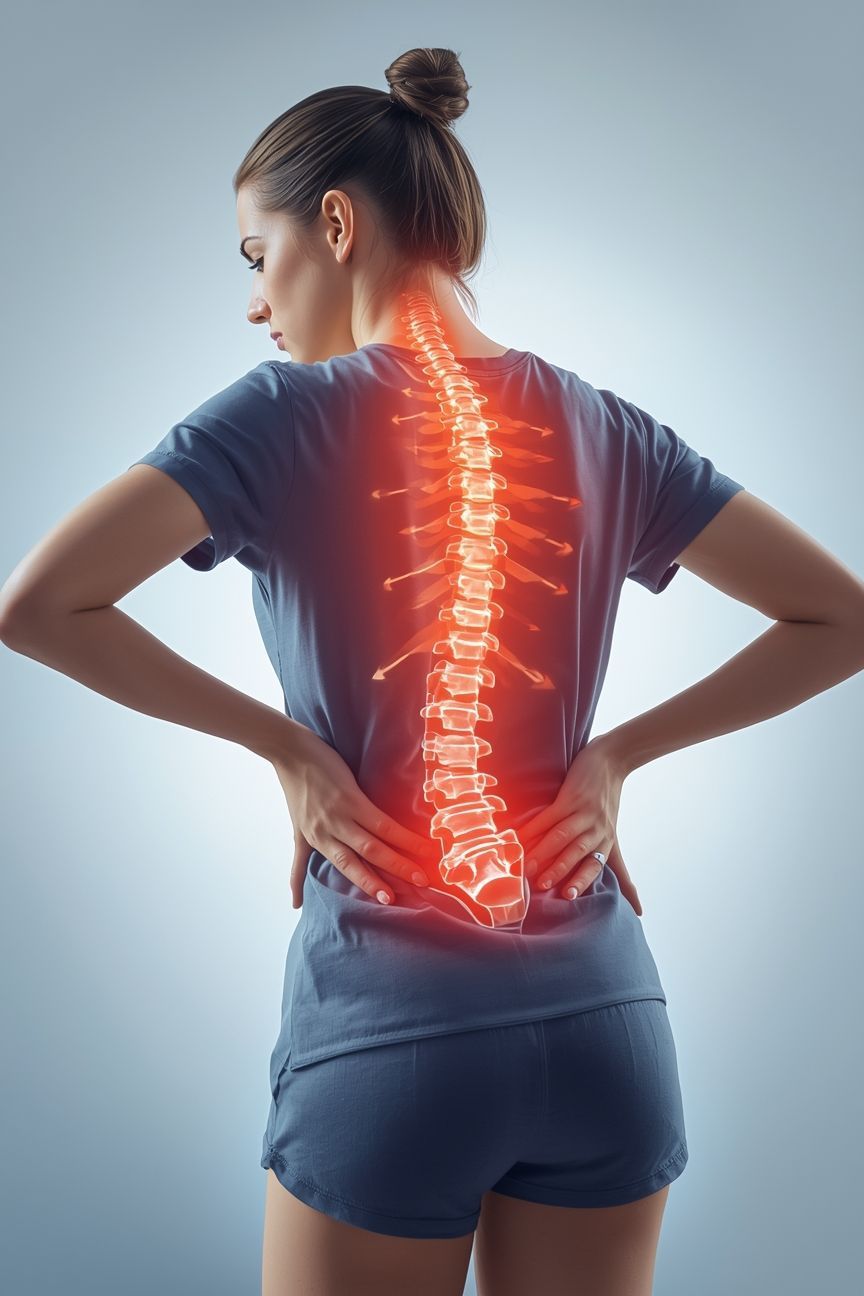
Sciatica, a common yet often misunderstood condition, manifests as pain that radiates along the sciatic nerve, which extends from the lower back through the hips and buttocks, down each leg. In the dynamic environment of downtown Toronto, where daily life is fast-paced, understanding the role of physiotherapy in managing this condition is essential. This blog post delves deep into the nuances of physiotherapy treatment for sciatica.
How Does a Physiotherapist Treat Sciatica?
Treating sciatica through physiotherapy is a nuanced process, tailored to each individual's unique situation. The treatment typically involves several key components:
Initial Assessment
A physiotherapist begins with a comprehensive assessment, which may include evaluating the patient's posture, spinal alignment, muscle strength, and range of motion. This assessment helps in identifying the specific sciatic nerve irritants.
Manual Therapy Techniques
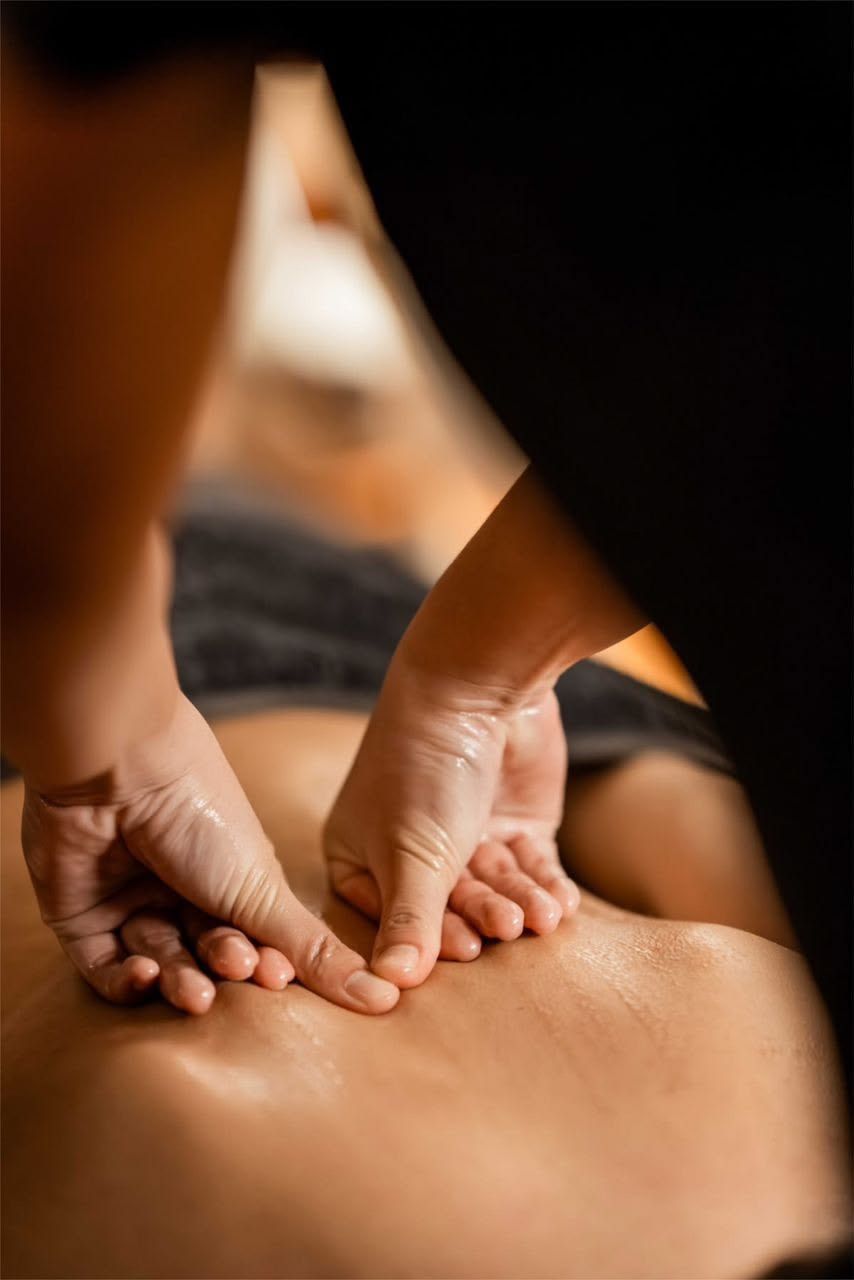
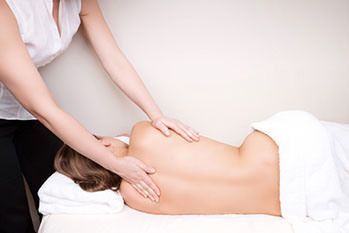
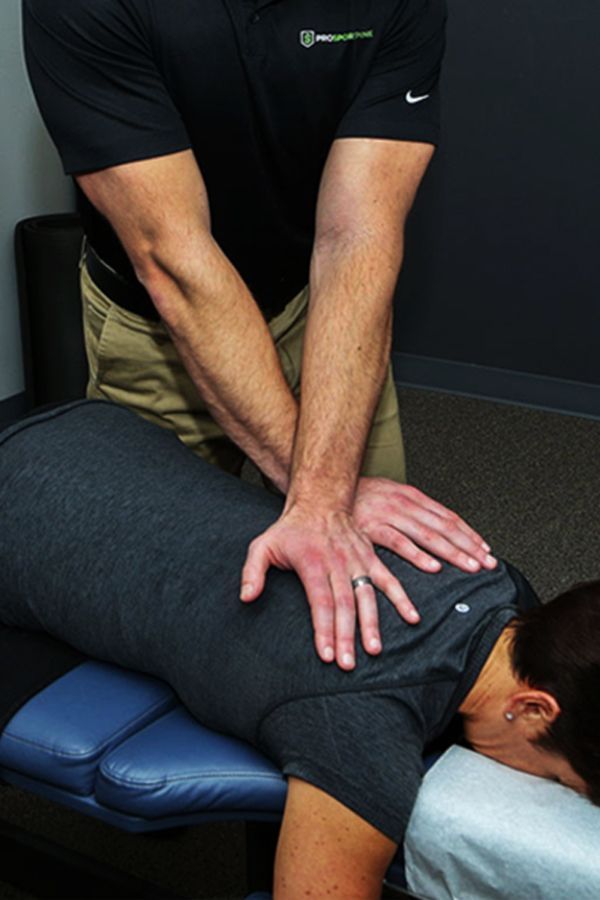
Manual therapy forms a core part of the treatment. Techniques such as soft tissue massage, mobilization, and manipulation are used to alleviate nerve impingement, reduce muscle spasms, and improve spinal joint mobility.
Personalized Exercise Programs
Exercise is crucial in treating sciatica. A physiotherapist prescribes specific exercises aimed at stretching and strengthening the muscles of the back and abdomen. These exercises not only alleviate current symptoms but also prevent future episodes. They may include:
- Pelvic tilts and lower abdominal strengthening for core stability.
- Gentle, controlled stretching for the lower back and hamstring muscles.
- Aerobic conditioning exercises like walking or swimming to enhance overall back health.
Pain Management Techniques
Pain management techniques such as hot and cold therapies, ultrasound, or electrical stimulation may be used to provide immediate relief from sciatic pain.
Education and Lifestyle Changes
Physiotherapists also educate patients on posture, ergonomics, and lifestyle changes to prevent sciatica from recurring. This might include advice on proper lifting techniques, workplace ergonomics, and tips for maintaining a healthy weight.
How Many Physiotherapy Sessions Will I Need for Sciatica?
The number of physiotherapy sessions required for sciatica varies greatly among individuals. Factors influencing the duration of treatment include:
- The severity and duration of the symptoms.
- The patient's overall health and lifestyle.
- Response to treatment and adherence to prescribed exercises.
Typically, acute sciatica may require a few weeks of regular physiotherapy sessions, while chronic conditions might need a more prolonged treatment plan. Regular reassessment is crucial to monitor progress and adjust the treatment plan accordingly.
Is Physio or Massage Better for Sciatica?
Choosing between physiotherapy and massage for sciatica depends on the specific needs and symptoms of the individual.
Benefits of Massage Therapy
- Massage therapy primarily focuses on relieving muscle tension and improving circulation.
- It can provide immediate pain relief and relaxation, which can be particularly beneficial in acute cases of sciatica where muscle spasms are present.
Advantages of Physiotherapy
- Physiotherapy offers a more comprehensive approach, addressing not just the symptoms but also the root causes of sciatica.
- It includes a range of treatments like manual therapy, structured exercises, and education about body mechanics.
- Physiotherapy is geared towards long-term management and prevention of sciatica.
In many cases, a combination of physiotherapy and massage may yield the best results, providing both immediate relief and long-term management.
What Relaxes the Sciatic Nerve?
Relaxing the sciatic nerve and alleviating the associated pain involves several strategies:
- Stretching Exercises: Gentle stretching exercises, particularly those targeting the lower back, hips, and buttocks, can help reduce nerve compression.
- Heat Therapy: Applying heat to the affected area can relax muscle tension, thus easing nerve irritation. Heat therapy should be used cautiously, and it's often recommended to alternate with cold therapy for the best results.
- Proper Posture and Ergonomics: Maintaining proper posture, especially when sitting for long periods, can reduce the pressure on the sciatic nerve. Ergonomic chairs and supportive cushions can be beneficial.
Can Sciatica Be Cured With Exercise?
While the term 'cure' might be a bit strong, exercise is undoubtedly a critical component in managing and significantly alleviating sciatica symptoms. Regular exercise helps in several ways:
- Strengthens the Back and Core Muscles: Building strength in these areas supports the spine, reducing the burden on the sciatic nerve.
- Improves Flexibility: Enhanced flexibility in the hips and lower back can reduce the pressure on the sciatic nerve.
- Promotes Healthy Blood Flow: Exercise increases blood circulation, which aids in healing and reduces inflammation.
Tailored Exercise Regimens
It's important to note that exercises must be tailored to the individual's specific sciatica condition. A physiotherapist can design a regimen that targets the underlying causes of sciatica for each patient.
Consistency is Key
Consistency in performing these exercises is crucial. Patients are encouraged to integrate them into their daily routine to achieve the best results.
What Exercises Should I Avoid with Sciatica?
While exercise is beneficial for sciatica, certain types can aggravate the condition. People with sciatica should generally avoid:
- Heavy Lifting and Overexertion: These can put additional stress on the spine and exacerbate sciatic pain.
- High-impact Activities: Sports or exercises that involve running or jumping can increase shock and strain on the lower back and legs.
- Excessive Bending and Twisting: Movements that involve significant bending at the waist or twisting of the back can increase irritation of the sciatic nerve.
It's always recommended to consult with a physiotherapist or healthcare professional before starting any new exercise regimen, especially when dealing with a condition like sciatica.
What Is the Most Successful Treatment for Sciatica?
The most successful treatment for sciatica typically involves a multi-faceted approach, tailored to the individual's specific symptoms and underlying causes. This approach may include:
- Physiotherapy: As discussed earlier, physiotherapy plays a crucial role in treating sciatica. It not only addresses the pain but also the root cause of the condition.
- Therapeutic Exercise: Regular, targeted exercises designed to strengthen the back, improve flexibility, and promote overall spinal health are essential.
- Lifestyle Modifications: Changes in daily activities, ergonomic adjustments, and weight management can significantly impact the management of sciatica.
- Pain Management Techniques: These may include heat/ice therapy, over-the-counter pain relievers, or in some cases, prescribed medications.
- Alternative Therapies: Some individuals find relief through acupuncture, chiropractic treatments, or massage therapy.
Personalized Treatment Plans
The key to successful treatment lies in a personalized plan developed by healthcare professionals, taking into account the patient's unique health profile, lifestyle, and the severity of the symptoms.
Regular Monitoring and Adjustment
Regular follow-ups and adjustments to the treatment plan are essential to ensure its effectiveness and to make changes as the patient's condition evolves.
Struggling With Sciatica in Downtown Toronto?
Managing sciatica effectively requires a comprehensive understanding of various treatment options. Physiotherapy, with its multifaceted approach, stands out as a highly effective method for both immediate relief and long-term management of sciatica. At Rosedale Wellness Centre, our team of experts is dedicated to providing personalized care to help you manage and overcome sciatica.
Contact us today to schedule a consultation. Our tailored physiotherapy programs are designed to address your unique needs, ensuring you receive the most effective treatment for your sciatica.
Don't let pain hold you back – reach out to us now.