Chiropractor for Neck Pain in Toronto
Can a Chiropractor Help with Neck Pain? Causes, Treatments, and When to Get It Checked
Neck pain behaves differently than a headache. It sits low, between the shoulder blades or at the base of the skull, and it usually locks up your ability to turn your head in one direction. A chiropractor can help with most mechanical neck pain, meaning pain caused by muscle strain, tech neck, whiplash, or a pinched nerve from a herniated disc.
This article covers what's typically driving your neck pain, how we work out the cause, which chiropractic techniques treat it, and the small list of red-flag symptoms that mean you need an emergency room instead of an adjustment.
What's Causing Your Neck Pain
Tech neck is the most common cause we see in patients who spend the day looking down at a phone or laptop. Every inch your head tilts forward adds roughly ten extra pounds of load on your cervical spine, so eight hours at a forward tilt works the wrong muscles all day. It shows up as tightness at the base of the skull and a dull ache that builds by mid-afternoon.
Whiplash comes from a sudden back-and-forth motion of the neck, most often a rear-end collision, but also a hard fall or a contact sport. The stiffness sometimes takes 24 to 48 hours to peak, which is why people leave the ER cleared and then wake up unable to turn their head two days later.
A herniated disc happens when the cushion between two neck vertebrae bulges and presses on a nerve root. Instead of staying in the neck, the pain often radiates down one arm, sometimes with tingling in the fingers, because the pinched nerve carries the signal past the point of injury.
Muscle strain is the catch-all for pain caused by sleeping in an awkward position, carrying a bag on one shoulder, or overdoing it at the gym. It's usually one-sided, worse with movement in one direction, and settles within a week or two with the right care.
Cervical arthritis develops as the discs and joints between vertebrae wear down, usually after age fifty. It causes stiffness that's worst first thing in the morning and a grinding feeling on rotation, rather than the sharp radiating pain of a disc injury.
Neck pain and headaches often share a cause, tech neck and poor posture chief among them, but they respond to different parts of a treatment plan. If head pain is your main complaint rather than neck stiffness, our chiropractor for headaches page covers that condition specifically.
How We Diagnose Neck Pain
Diagnosis starts with a physical exam: how far you can turn, tilt, and extend your neck, plus manual tests that reproduce or ease your symptoms to narrow down which structure is involved. If pain radiates into an arm or hand, or hasn't improved after two weeks of conservative care, we also check reflexes and grip strength to rule out nerve involvement.
When imaging is needed, Rosedale Wellness Centre has in-house X-ray on site, so we can look at the cervical spine the same day instead of sending you out to wait on a report. X-ray rules out fractures, alignment problems, and advanced arthritis; an MRI referral comes in only if we suspect a disc or nerve issue an X-ray can't show.
Because physiotherapists, chiropractors, and massage therapists all work out of the same clinic, a chiropractor can pull in a colleague's opinion on the spot if a case needs more than one perspective. New patients with acute neck pain are usually seen the same day they call.
Chiropractic Techniques for Neck Pain
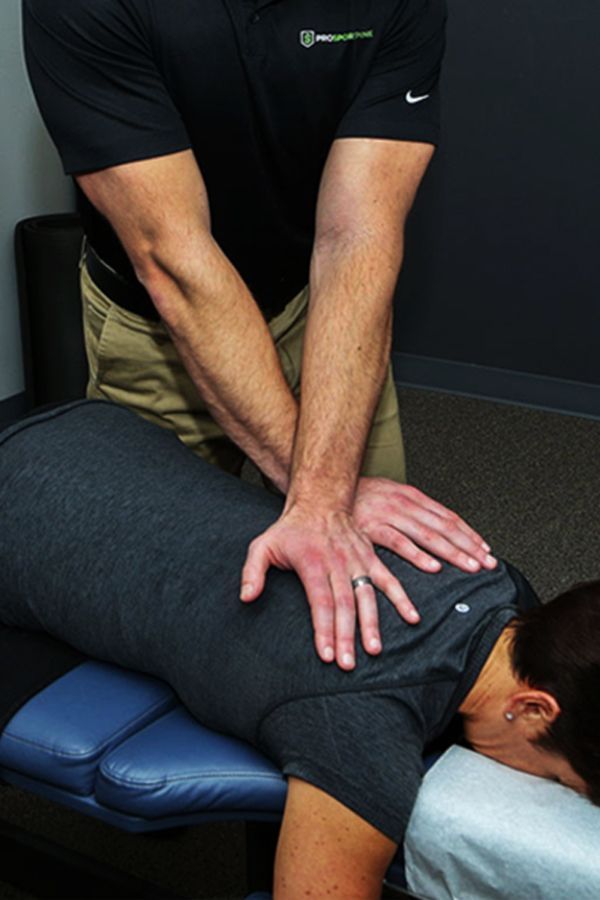
Cervical adjustment is a quick, controlled movement applied to a specific neck joint to restore motion where a vertebra has become restricted. It's the technique most people picture when they think of chiropractic adjustment benefits, and it's typically used once inflammation has settled enough for the joint to move safely.
Mobilization is a slower, lower-force alternative: the joint moves through its range without the quick thrust of an adjustment. We use it for more irritated or arthritic necks, or for patients who prefer a gentler approach.
Flexion-distraction uses a specialized table that gently stretches and flexes the spine while the chiropractor works the affected segment. It takes pressure off a compressed disc or nerve root, which makes it a common choice for a herniated disc rather than a straightforward muscle strain.
Many patients pair adjustments with massage therapy downtown Toronto to release the muscles that tighten up around an irritated joint, which tends to shorten recovery compared to adjustments alone. If you'd rather start with a full assessment before deciding on a technique, a chiropractor downtown at Rosedale Wellness Centre can build the plan around your specific cause.
Ergonomic and Lifestyle Changes That Prevent Neck Pain
Set your screen so the top third sits at eye level, so you're looking slightly down rather than tipping your chin toward your chest. A laptop on a desk almost always sits too low; a stand or a stack of books fixes it in minutes.
Hold your phone up near chest height instead of resting it in your lap. Ten minutes of scrolling with your chin dropped is the same load on your neck as holding a bowling ball out in front of you.
Side or back sleepers need a pillow that fills the gap between the ear and the shoulder without tipping the head up or down. Stomach sleeping is the hardest position on the neck, since it forces your head to rotate fully to one side for hours at a time.
When to See a Chiropractor vs. When to Go to the ER
A chiropractor is the right call for mechanical neck pain: stiffness, a limited range of motion, and pain that changes with position or activity. Go to the ER instead if you notice any of the following:
- Numbness or weakness in an arm or hand that's getting worse, not better
- Neck pain that started after a car accident, a fall, or a blow to the head
- Pain radiating down both arms at once, or loss of coordination in your hands
- A severe headache with neck stiffness and fever
- Sudden, severe neck pain with no clear cause
Those signs can point to a fracture, spinal cord involvement, or an infection, none of which a chiropractic adjustment is built to handle. Everything short of that list is fair territory for a conservative, hands-on approach.
If your symptoms match the mechanical picture, tightness, one-sided pain, stiffness that eases with movement, you can book a chiropractic assessment for neck pain at Rosedale Wellness Centre. We'll examine your neck, use in-house imaging if it's warranted, and start treatment the same day when appropriate.
Frequently Asked Questions About Chiropractic Care for Neck Pain
How many chiropractic sessions does it take to fix neck pain?
Most mechanical neck pain from muscle strain or tech neck responds within four to six visits over two to three weeks. A herniated disc or longstanding arthritis usually needs a longer plan, often eight to twelve visits, since the underlying joint or disc takes more time to settle.
Is it safe to get a neck adjustment if I have a herniated disc?
Yes, with modifications. We avoid a direct high-velocity adjustment on the affected segment and use flexion-distraction or mobilization instead, which relieve pressure on the disc rather than adding force to it.
Can a chiropractor help with a pinched nerve in the neck?
Often, yes. Techniques like flexion-distraction and mobilization create space around the nerve root, which can reduce the tingling or radiating pain within a few sessions, though a severe disc herniation may still need imaging and a specialist opinion.
What's the difference between tech neck and whiplash?
Tech neck builds up gradually from repeated forward head posture over weeks or months. Whiplash happens instantly, from a single sudden force, and tends to peak in severity a day or two after the event rather than building slowly.
Should I use heat or ice for neck pain?
Ice for the first 48 hours if the area feels inflamed or you just strained it, then switch to heat for ongoing muscle tightness. If you're not sure which stage you're in, a short chiropractic exam will tell you faster than guessing at home.
Can a bad sleeping position alone cause neck pain?
Yes. A pillow that's too flat, too thick, or a habit of stomach sleeping can strain the neck enough on its own to cause pain, even without any other injury or posture problem during the day.
Do I need a doctor's referral to see a chiropractor for neck pain?
No. Chiropractors in Ontario are primary contact health professionals, so you can book directly without a referral. We'll loop in your family doctor only if imaging or a specialist opinion becomes necessary.