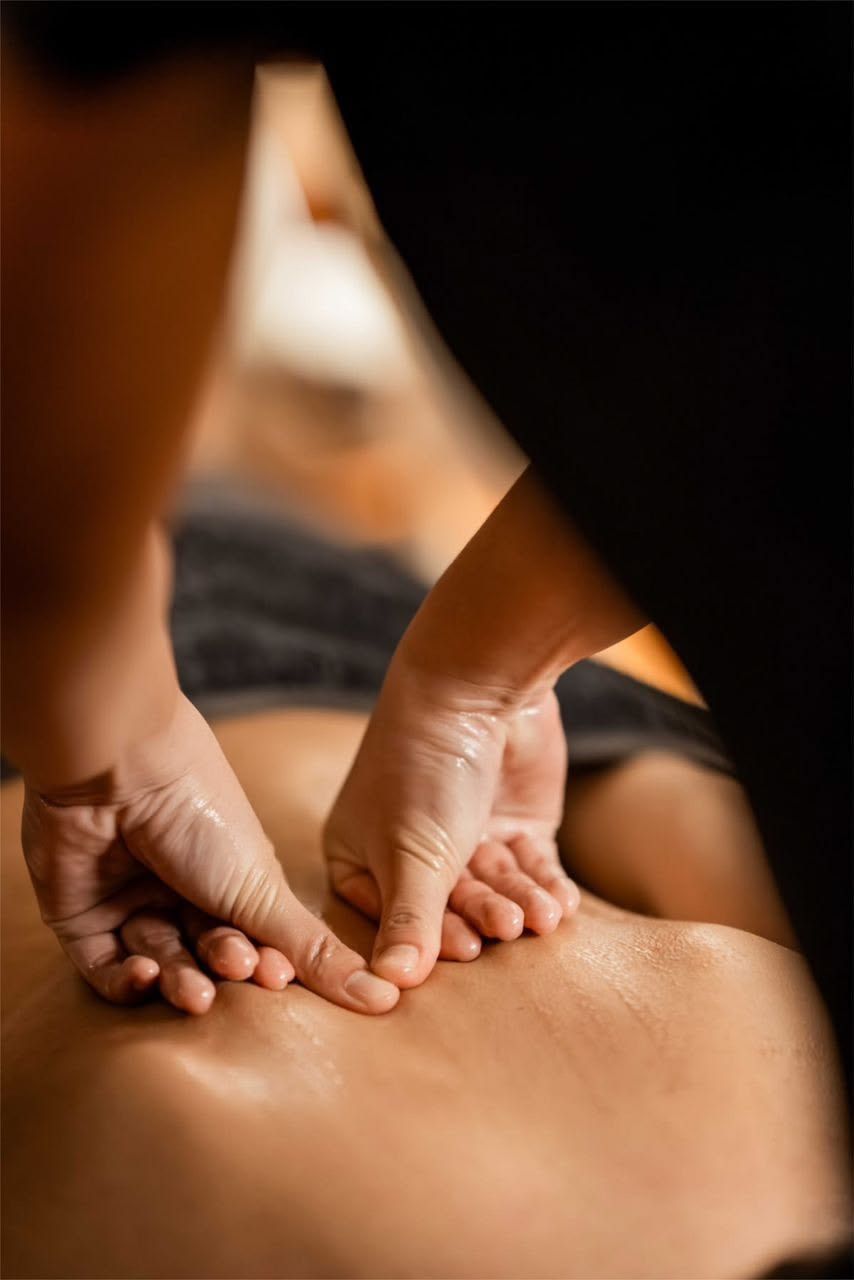
Myofascial Release Therapy in Downtown Toronto

Diverse Treatment Options
At Rosedale Wellness Centre, we proudly offer a broad spectrum of services, ensuring holistic care for all our patients.
Tailored Care Just For You
Every patient is unique, and we recognize that. Our dedicated team crafts personalized treatment plans to meet your specific health needs.
Hassle-Free Direct Billing
We value your time. Our streamlined direct billing process ensures you focus on healing, not paperwork. Enjoy a seamless wellness journey.
Success Stories: Transforming Lives
Achy Muscles? Myofascial Release Could Help!
You Don’t Have to Deal with Achy and Painful Muscles!
Muscle aches and pains could significantly impact your daily life - but painful muscles can be a thing of the past with myofascial release!
Are you living with stiff or tight muscles? If so, you have what is called myofascial pain caused by muscular irritation, and the myofascial release treatments at Rosedale Wellness Centre may benefit you.
If your stiff or tight muscles are limiting your daily life, don’t hesitate to request an appointment.
One of our Toronto physiotherapists, chiropractors or registered massage therapists would be happy to meet with you and discuss how myofascial release can benefit you!
What can myofascial release do for me?
Our Toronto physiotherapists, chiropractors and registered massage therapists are highly trained in the method of myofascial release, with an extensive understanding of what specific pressure points to focus on, in order to bring your fascia back to its elastic form.
Myofascial release is delivered through massage therapy, physiotherapy and chiropractic care, in the form of hands-on manipulation that helps alleviate pain by relieving tension within the affected muscles.
Is myofascial release right for me?
When muscles become constricted or tight, it can significantly impact your mobility. This can cause pain and limitations with movement.
Fortunately, myofascial release works to reverse this by loosening up the constricted muscles, thus allowing for easier, pain-free movement.
There are several conditions that can be treated with myofascial release. Some of the most common include
Myofascial pain syndrome
This is the most commonly treated condition through myofascial release, and it can affect many of your muscles.
The “trigger points” for your myofascial pain are determined and then massaged out.
Your therapist applies sustained, gentle pressure along the taut band of muscle, holding each point for 60 to 90 seconds before moving to the next. Between visits, pressing a tennis ball or foam roller against the tightest spot for a minute or two helps keep a trigger point from tightening back up. For more myofascial release techniques to try at home, see our full guide.
If you have been diagnosed with one of the conditions listed above, or another condition that you think could benefit from myofascial release, contact our Toronto massage therapy, physiotherapy and chiropractic office today.
Injury
Injuries can also cause muscle stiffness.
The affected area will be massaged to loosen up the muscles and allow for a quicker healing process.
Fibromyalgia
This condition can also cause stiffness in multiple muscles.
The affected areas will be determined and then massaged.
Chronic headaches/migraines
Myofascial release has also been known to relieve the pain of chronic headaches and migraines by massaging the tightened muscles around the head and neck.
A typical myofascial therapy session for headaches works along the suboccipital muscles at the base of the skull and across the temples, holding gentle pressure until the tissue softens. Between visits, rolling a cold tennis ball slowly across your temples and the back of your neck for a few minutes can ease a tension headache before it builds.
Carpal tunnel syndrome
Patients with carpal tunnel syndrome can benefit from myofascial release by having the muscles in their hands, wrists, and/or arms massaged, in order to improve function and mobility.
Treatment usually works along the forearm flexors and across the carpal tunnel itself, using slow cross-fiber strokes to free up tissue pressing on the median nerve. Between sessions, a gentle wrist and forearm stretch, holding the hand back with the opposite palm for 20 to 30 seconds, helps maintain that mobility.
Temporomandibular joint disorder
The muscles around the jaw are massaged through myofascial release in many patients with temporomandibular joint disorder.
This decreases pain and inflammation, as well as increases mobility of the jaw.
Your therapist releases the masseter and temporalis muscles with light external pressure, encouraging the jaw to drop and widen its range of motion. Between sessions, massaging the jaw muscles in small circles for a minute before bed can ease the clenching that builds up overnight.
Venous insufficiency
Myofascial release can help reduce the amount of blood pooled in the veins and allow for more efficient blood flow, decreasing the pain felt in the veins.
Ready to begin with myofascial release?
Don’t let stiff, tight, or constricted muscles limit your life any longer!
At Rosedale Wellness Centre, we are dedicated to providing the best quality treatment for your individual needs. Request an
appointment
at our Toronto massage therapy, physiotherapy and chiropractic practice today for relief.
Personalized Treatment Plans for Common Conditions
Myofascial Release Near You in Rosedale, Yorkville and Cabbagetown
If you're looking for myofascial release near me or myofascial release therapy near me, our clinic at 120 Bloor St E is a short walk from the Bloor-Yonge subway station, serving downtown Toronto patients in:
- Rosedale
- Yorkville
- Cabbagetown
- St. James Town
- Church-Wellesley Village
- The Annex
Between myofascial release sessions, some patients add cupping therapy to keep fascia gliding freely over the muscle; ask your practitioner whether it fits your treatment plan.
Direct Billing Takes the Guesswork Out of Paying for Treatment
We submit directly to most major extended health insurers for myofascial release therapy, so you often don't have to pay the full session cost out of pocket or wait on a reimbursement claim.
Your Front Desk Confirms Pricing and Coverage Before You Book
Session cost depends on your practitioner and session length, so our front desk confirms your exact rate and coverage before you book. For how many myofascial release sessions to expect for your specific condition, see the FAQ below.
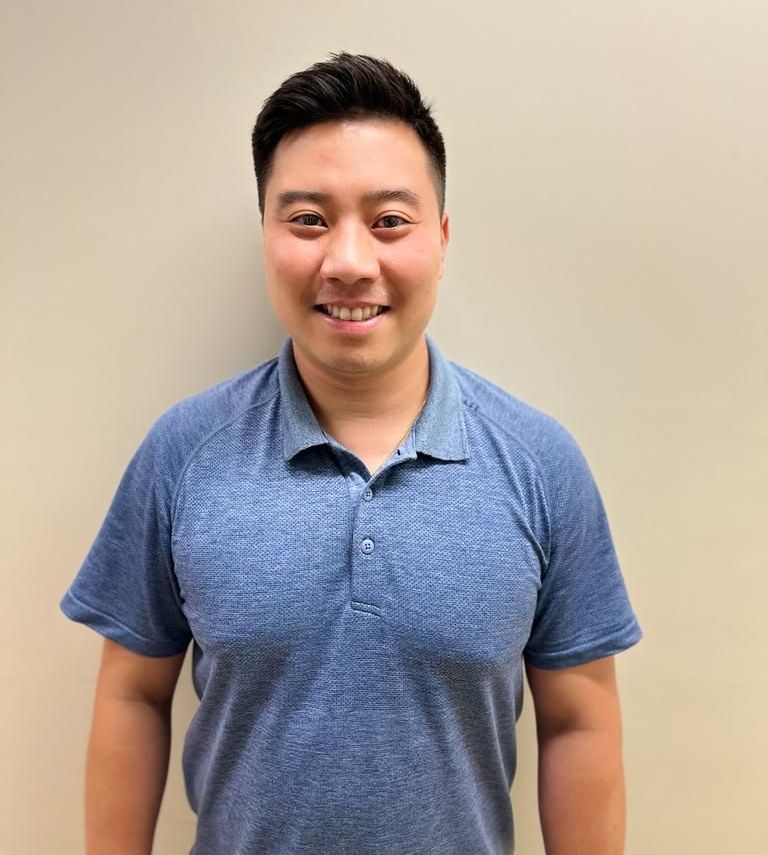
Toronto’s Best: Meet Our Team of Experts




















Unique Direct Billing Options
So You Can Get In And Out Of Your Appointment Fast!
Rosedale Wellness Centre's direct billing method is unique to our clinic. This method is a real time saver for our patients. We have a full-service concierge billing team dedicated to ensuring your time at Rosedale Wellness Centre is spent getting the best care, and not on frustrating administration hassles!
Areas We Serve
- Toronto
- Downtown Toronto
- Rosedale
- Yorkville
- King West Village
- Queen West
- Cabbagetown
- Upper Jarvis
- The Annex
- Harbourfront
- Distillery District
- Alexandra Park
- Regent Park
- Church & Wellesley
- Yonge and Bloor
- Bloor & Church
Read the Latest On Our Blog
Your guide to better health with Rosedale Wellness