Scoliosis Exercises to Avoid: What's Safe Instead
Scoliosis Exercises to Avoid: What's Safe and What Can Make It Worse
If you have scoliosis, you have probably already read a list of good exercises for scoliosis: planks, swimming, modified yoga. This piece covers the opposite question. Which movements put extra strain on a curved spine, why they're risky, and what to do instead. For the fuller picture on causes, diagnosis, and treatment options, our comprehensive scoliosis guide covers that ground. This article stays focused on exercise safety only.
Can Exercise Make Scoliosis Worse?
Exercise itself rarely changes the size of a spinal curve once someone is past their growth years. Cobb angle measurements shift with bone growth, not with a single workout.
The wrong loading pattern can still cause real problems. Heavy asymmetric lifting, high-impact pounding, and repeated spinal flexion can irritate the muscles, discs, and joints around the curve, and tip posture further off-center over weeks of repetition.
5 Scoliosis Exercises to Avoid (and What to Do Instead)
1. Heavy Deadlifts and Loaded Back Squats
Deadlifts and back squats load the spine straight down its axis. On a spine that already leans and rotates, that compression lands unevenly across the vertebrae on the concave side of the curve, which can aggravate disc and facet joint irritation.
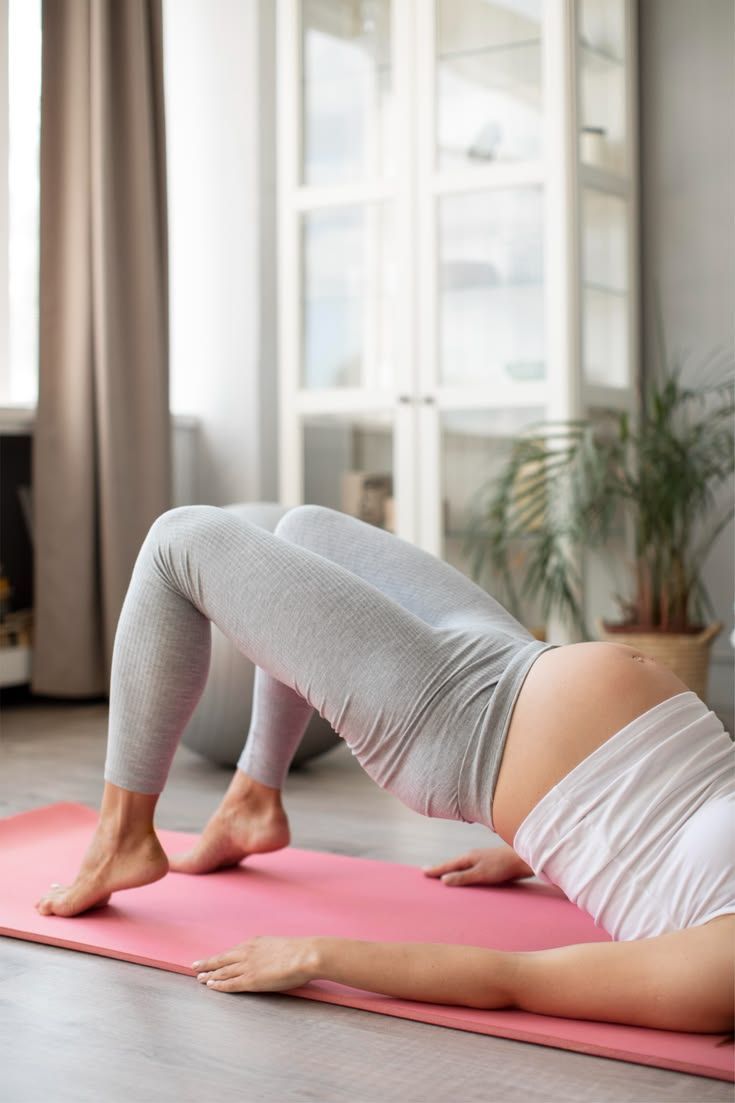
Safe alternative: trap-bar deadlifts or lighter goblet squats, paired with hip thrusts and glute bridges. These build the same posterior-chain strength without stacking heavy weight straight through a rotated spine.
2. One-Sided and Asymmetric Sports
Tennis, golf, and other sports built around a dominant side ask the trunk to rotate the same way, thousands of times a season. Repeated rotation in the direction the curve already twists can reinforce that imbalance in the surrounding muscles.
Safe alternative: swimming with a bilateral stroke like front crawl, or rotational core drills done evenly on both sides, so the trunk gets loaded in both directions instead of one.
3. High-Impact Running on Hard Surfaces
Every stride sends ground-reaction force up through the hips and spine. On an already-asymmetric frame, that repeated impact can load one hip and one side of the lower back more than the other, which shows up as a nagging ache after a few kilometres.
Safe alternative: cycling, swimming, or an elliptical machine for the aerobic work, with running kept to softer trail surfaces and shorter, more frequent sessions if you want to keep it in the mix.
4. Deep Backbends and Forceful Spinal Twists in Yoga
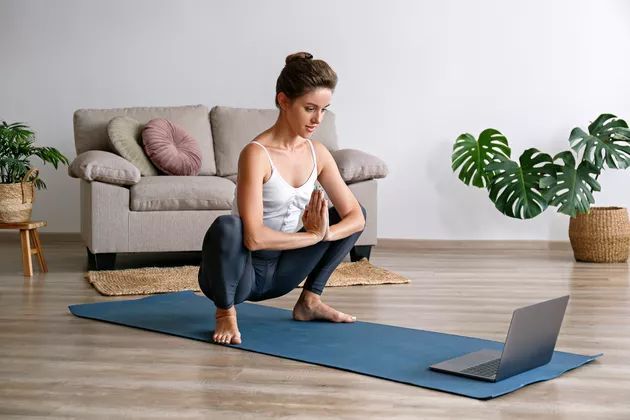
Poses like full wheel, deep camel, or a forceful revolved twist push the spine toward the end of its range, often in the same direction the curve already rotates. That can strain the ligaments that are already working to hold the curve in place.
Safe alternative: cat-cow, supported bridge, and gentle seated twists kept well inside a comfortable range, ideally guided by an instructor who knows your curve pattern.
5. Sit-Ups and Crunches
Sit-ups and crunches repeatedly flex the spine forward, often right through the segment where a thoracic or lumbar curve is already compressed. A few reps won't do damage, but hundreds of reps a week can add up to real irritation.
Safe alternative: planks, dead bugs, and bird-dogs. These build core stability by holding the spine steady rather than repeatedly bending it.
Quick Comparison: Avoid vs. Safe Alternative
- Heavy deadlifts or back squats → trap-bar deadlifts, goblet squats, hip thrusts
- One-sided sports like tennis or golf → bilateral swimming, even two-sided rotational drills
- High-impact running on pavement → cycling, swimming, elliptical, or trail running in short sessions
- Deep backbends and forceful twists → cat-cow, supported bridge, gentle seated twists
- Sit-ups and crunches → planks, dead bugs, bird-dogs
How to Modify Your Workouts If You Have Scoliosis
Start by identifying which way your curve rotates and which side is concave, since that determines which movements need lighter load and which need more mobility work. A toronto physio can map that pattern and adjust your program as strength and flexibility change.
Warm up longer on the tight side of the curve, keep sets shorter than usual, and track pain the next morning as well as during the set. Soreness that shows up a day later, on one side only, is the signal to scale a movement back.
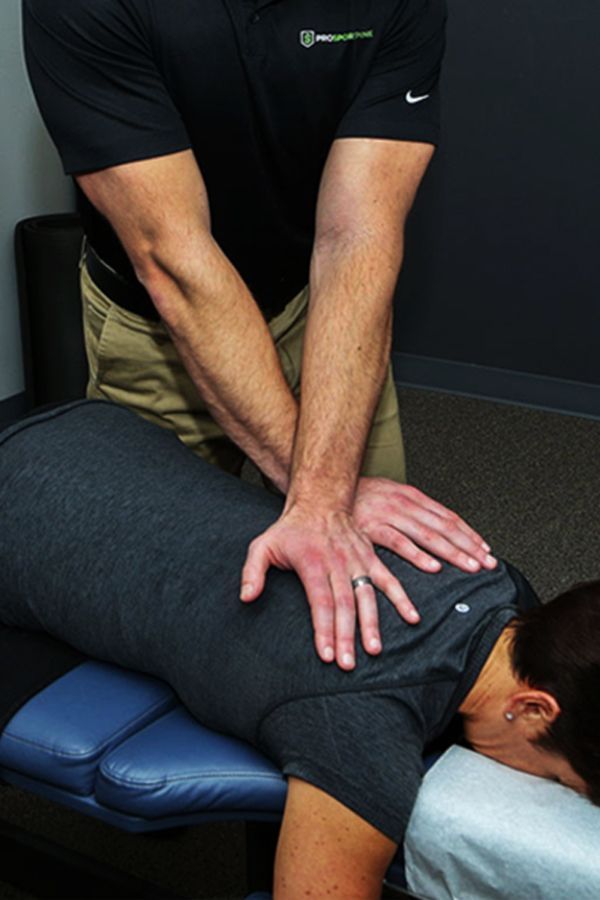
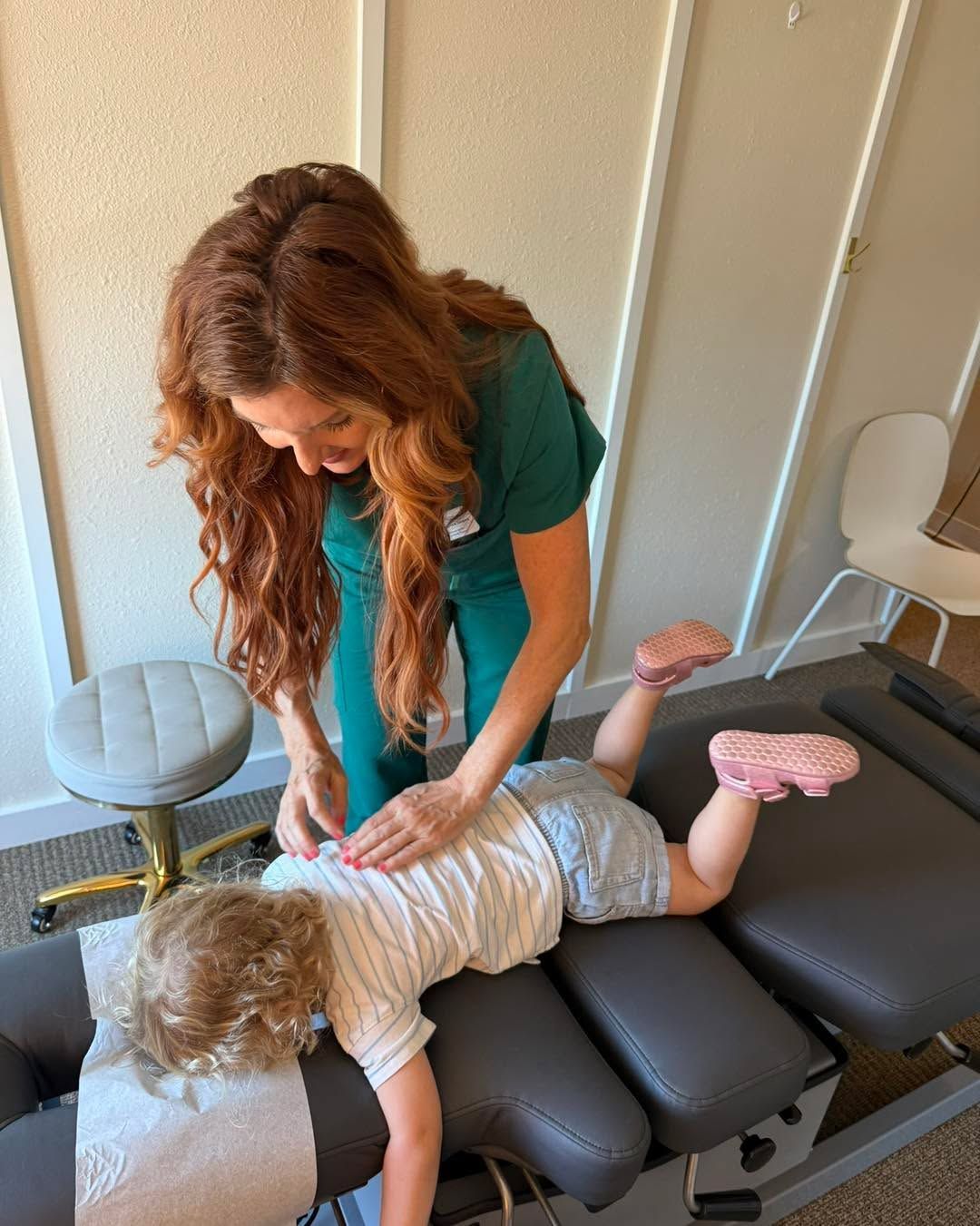
Competitive athletes juggling one-sided sports alongside a spinal curve often do well pairing physiotherapy with a sports chiropractor in toronto, athletes already see for joint and soft-tissue care, so training load and the curve both get monitored through the season.
When to Consult a Physiotherapist Before You Start
Book an assessment before starting a new program if you have a recent scoliosis diagnosis, a curve your doctor says is progressing, pain tied to one specific exercise or class, or you are a teenager in the middle of a growth spurt. A program of physiotherapy for scoliosis starts by checking flexibility and strength on each side of your curve, then builds your exercise plan around what your spine can currently handle.
Exercising With Scoliosis in Adults vs. Adolescents
Scoliosis in adults usually means a curve that has stopped progressing structurally, so the exercise goal shifts toward managing pain, maintaining function, and protecting bone density, especially after menopause when bone loss can affect a curved spine differently than a straight one.
Teens are different. A curve can still change shape during a growth spurt, so an irritated movement pattern can compound over months of active growth rather than staying a one-off ache. Teens in treatment, especially those in a brace, usually need more frequent check-ins tied to their growth rather than a fixed program.
Frequently Asked Questions About Scoliosis Exercise Safety
Can exercise make scoliosis worse?
Not the structural size of the curve itself, but the wrong loading, heavy asymmetric lifts, high-impact pounding, repeated spinal flexion, can irritate the muscles and joints around it enough to feel like a setback.
What exercises should I avoid with scoliosis?
Heavy deadlifts and back squats, one-sided sports played without cross-training, high-impact running on hard surfaces, deep yoga backbends and forceful twists, and high-volume sit-ups or crunches are the ones physiotherapists flag most often, for the reasons covered above.
Can adults with scoliosis still exercise normally?
Most adults with scoliosis can do the majority of normal exercise. The main adjustments are avoiding heavy asymmetric lifting without guidance and watching bone density and joint wear as they age, rather than avoiding activity altogether.
Are sit-ups bad for scoliosis?
Occasional sit-ups aren't harmful, but high-rep routines repeatedly flex the spine through the segment the curve already compresses. Planks and dead bugs build the same core strength without that repeated flexion.
How do I know if an exercise is safe for my specific curve?
The direction, size, and rigidity of your curve all affect which movements are safe, which is why an assessment matters more than a generic list. A clinician can test your side-to-side flexibility and flag which exercises need modification for your pattern.
If you want an exercise plan built around your own curve rather than a general list, book a physiotherapy assessment and we'll walk through what's safe to keep, what to modify, and what to swap out.