10 Conditions a Chiropractor Can Treat
When most people hear "chiropractor," they picture someone cracking a stiff back. It's the most common association, and it makes sense. Back pain is, after all, one of the top reasons Canadians seek chiropractic treatment. But here's what surprises many first-time patients at our downtown Toronto clinic: chiropractic care can address conditions that seem to have nothing to do with your spine.
Headaches that won't quit. A jaw that clicks every time you eat. Shoulder pain that's been lingering since last summer. Sciatica shooting down your leg. Even pregnancy-related discomfort and childhood postural concerns. The list is much longer than you'd expect.
At Rosedale Wellness Centre in downtown Toronto, our chiropractors work alongside physiotherapists, massage therapists, osteopaths, acupuncturists, and naturopaths to treat the whole person, not just the sore spot. This article walks you through the conditions chiropractic care actually helps, explains why the spine matters for everything from energy levels to immune function, and helps you figure out whether chiropractic treatment might be the right fit for what you're dealing with.
Why Your Spine Matters More Than You Think
Your spine isn't just a structural support beam. It's the protective highway for your central nervous system. Every message your brain sends to your organs, muscles, and tissues travels through your spinal cord and the nerves branching out from it. When a vertebra shifts out of alignment, even slightly, it can compress or irritate those nerves. The result? Symptoms that seem completely unrelated to your back.
Think of it this way: a garden hose kinked in the middle still has water flowing, but at reduced pressure. The flowers at the end of the line suffer even though the problem started somewhere else entirely. That's what spinal misalignment (what chiropractors call a subluxation) can do to your body.
Chiropractic adjustments restore proper alignment so your nervous system communicates clearly with every part of your body. That's why patients often report improvements in sleep, energy, digestion, and mood after treatment, even when they originally came in for neck stiffness.
Conditions That Respond Well to Chiropractic Treatment
Let's get specific. Below are the conditions we treat regularly with chiropractic care at our clinic, many of which patients didn't realize a chiropractor could help with.
Headaches and Migraines
This is one of the most underrecognized applications of chiropractic care. Tension headaches and cervicogenic headaches (headaches originating from the neck) often result from tight muscles, stiff cervical joints, and poor posture. Hours at a laptop, forward head position, stress-related clenching: these habits create a pattern of upper neck compression that triggers head pain.
Chiropractic adjustments targeting the cervical spine can reduce headache frequency and intensity. Research published in the Journal of Manipulative and Physiological Therapeutics has shown spinal manipulation to be effective for tension-type and cervicogenic headaches. We combine adjustments with soft tissue work and postural coaching to address the root cause, not just the symptom.
If headaches are a regular part of your life, you don't have to keep reaching for painkillers. A proper assessment can determine whether your neck and spine are contributing factors.
TMJ Dysfunction and Jaw Pain
Your jaw joint (the temporomandibular joint) sits just in front of your ears. When it's irritated, misaligned, or overworked, you might experience clicking, locking, pain when chewing, or facial tension that radiates into your temples and ears. Many people don't connect jaw pain with their neck and spine, but the two are closely linked.
Forward head posture changes the mechanics of your jaw. When your head drifts ahead of your shoulders, the muscles controlling your jaw have to work harder, and the joint compresses in an unnatural way. Chiropractic adjustments to the upper cervical spine and gentle jaw mobilization can take pressure off the TMJ and reduce symptoms.
Our TMJ dysfunction program often pairs chiropractic care with physiotherapy and massage therapy for a multi-angle approach that gets results faster than any single treatment alone.
Sciatica and Lower Back Pain
Yes, this one does involve your back, but it's worth highlighting because sciatica is frequently mismanaged. The sciatic nerve runs from your lower spine down through your buttock and into your leg. When it's compressed or irritated, the pain can be sharp, burning, or tingling, sometimes all the way to your foot.
Chiropractic care for sciatica focuses on identifying the source of the compression, whether it's a disc issue, joint restriction, or muscular tightness, and relieving pressure on the nerve through targeted adjustments, mobilization, and therapeutic exercises. Many patients experience significant relief within a few sessions.
For a detailed look at treatment options, visit our sciatica and back pain relief page. We often integrate electrical stimulation, therapeutic ultrasound, and dry needling with chiropractic care for stubborn cases.
Shoulder, Elbow, and Extremity Pain
A shoulder that won't lift past a certain point. Tennis elbow that flares up every time you grip a doorknob. Wrist pain from repetitive strain. These aren't "back problems," but they absolutely fall within a chiropractor's scope.
Chiropractors are trained to assess and treat all joints of the body, not just the spine. Shoulder impingement, frozen shoulder, rotator cuff irritation, elbow tendinopathy, and carpal tunnel symptoms can all benefit from chiropractic joint mobilization, soft tissue techniques like myofascial release, and corrective exercises.
In many cases, extremity pain also has a cervical or thoracic component. A stiff mid-back can alter shoulder mechanics, and a compressed nerve root in the neck can create arm symptoms. Treating both the local joint and the spinal connection often produces faster, more lasting results.
Sports Injuries and Athletic Performance
Whether you're a weekend runner, a competitive hockey player, or someone who just picked up pickleball, sports injuries happen. Sprains, strains, muscle pulls, knee pain, ankle instability: they all benefit from chiropractic assessment and treatment.
Our sports chiropractors in downtown Toronto understand how different sports load the body. We look at movement patterns, identify biomechanical weaknesses, and create treatment plans that address the injury while improving performance and preventing recurrence.
For athletes recovering from more significant injuries, we combine chiropractic care with athletic therapy, cupping, and acupuncture for a complete recovery program. Many professional and competitive athletes rely on regular chiropractic adjustments as part of their ongoing training routine.
Pregnancy-Related Pain and Discomfort
Pregnancy changes everything about how your body carries weight. As the baby grows, your centre of gravity shifts forward, placing extra stress on your lower back, pelvis, and hips. Hormonal changes also loosen ligaments, making joints less stable. The result is often low back pain, pelvic girdle pain, hip discomfort, and difficulty sleeping.
Our prenatal chiropractors use gentle, modified techniques that are safe for every stage of pregnancy. Webster technique, side-lying adjustments, and pelvic balancing can reduce pain, improve comfort, and even support optimal fetal positioning. Many of our prenatal patients also benefit from our pregnancy program, which combines chiropractic care with physiotherapy and massage therapy for comprehensive prenatal support.
Pediatric Conditions
Children aren't just small adults. Their bodies are growing, changing, and adapting constantly. Pediatric chiropractic care uses extremely gentle techniques, often just light fingertip pressure, to address conditions like:
- Torticollis (head tilting to one side)
- Colic and digestive discomfort
- Postural imbalances from heavy backpacks
- Growing pains
- Sports-related injuries in young athletes
Early intervention can prevent small issues from becoming bigger problems as children grow. Parents often notice improvements in sleep, comfort, and activity levels after just a few sessions.
Scoliosis
Scoliosis, a lateral curvature of the spine, affects people of all ages. While chiropractic care won't "cure" scoliosis, it can reduce associated pain, improve mobility, slow progression in some cases, and significantly improve quality of life.
Our chiropractic scoliosis program works closely with our physiotherapy scoliosis team to provide a coordinated approach. We use specific adjustments, postural exercises, and sometimes custom orthotics to support balanced alignment and reduce compensatory strain.
Fibromyalgia and Chronic Pain
Living with fibromyalgia means managing widespread pain, fatigue, and sensitivity that conventional medicine often struggles to address. Chiropractic care can be part of a broader management strategy, helping to reduce pain intensity, improve sleep quality, and restore some of the mobility that chronic pain takes away.
Gentle adjustments, combined with acupuncture therapy and naturopathic support, create a multi-faceted plan tailored to your sensitivity level and goals. The key is gradual, patient-centred care that respects your body's current capacity while steadily building tolerance and function.
Neurological Conditions and Vestibular Issues
Certain neurological conditions benefit from chiropractic support as part of a broader rehabilitation team. Conditions involving balance, coordination, dizziness, or nerve-related symptoms may improve when spinal alignment is optimized and nerve compression is reduced.
Our team collaborates with practitioners specializing in neurological rehabilitation and vestibular therapy to ensure you're getting coordinated care that addresses all aspects of your condition.
How Chiropractic Care Works: What Happens During Treatment
If you haven't been to a chiropractor before, here's what you can expect at Rosedale Wellness Centre.
Your First Visit
Your initial appointment starts with a detailed conversation about your health history, current symptoms, lifestyle, and goals. The chiropractor will then perform a physical examination, including assessments of your spine, posture, range of motion, and specific orthopedic and neurological tests. X-rays of your back may be taken if clinically indicated.
Based on these findings, your chiropractor will explain what's going on, discuss treatment options, and outline a personalized care plan with realistic timelines and expected outcomes.
Treatment Techniques
Chiropractic treatment is more varied than most people realize. Depending on your condition, your chiropractor may use:
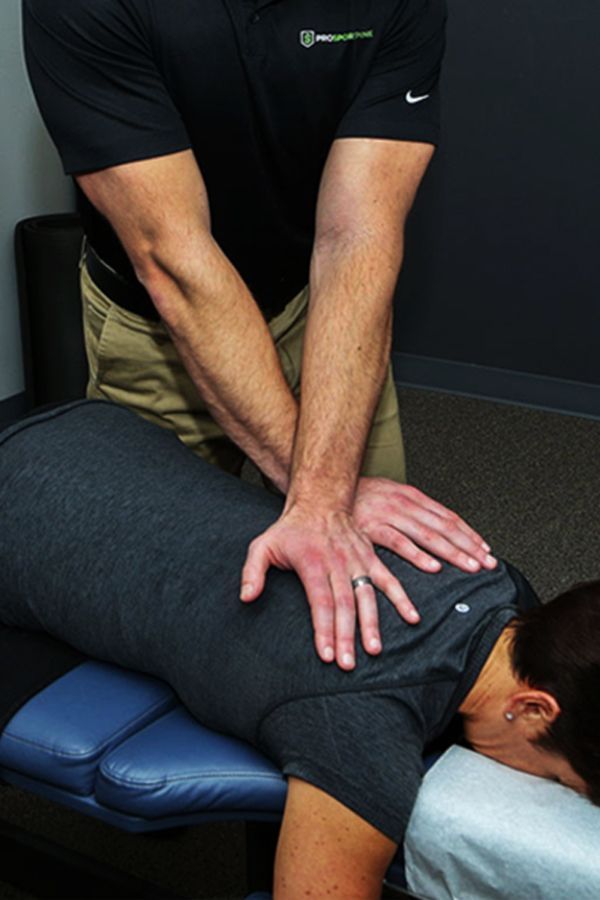
- Spinal manipulation (adjustments) to restore proper joint alignment and movement
- Joint mobilization for areas that need gentler, graded movement restoration
- Soft tissue therapy including myofascial release and trigger point work
- Instrument-assisted techniques like Graston or Activator for precise, low-force treatment
- Therapeutic exercises to build strength, stability, and prevent recurrence
- Ergonomic and postural coaching to address the habits driving your symptoms
Treatments are always tailored to your comfort level and tolerance. If you prefer a gentler approach, we have multiple techniques that achieve excellent results without the classic "cracking" sound.
The Multi-Disciplinary Advantage: Why It Matters
One thing that sets Rosedale Wellness Centre apart from single-practitioner clinics is our collaborative, multi-disciplinary approach. Your chiropractor doesn't work in isolation. They communicate with our physiotherapists, massage therapists, osteopaths, acupuncturists, naturopaths, and athletic therapists to make sure every aspect of your care is coordinated.
Here's why that matters in practical terms:
- A patient with sciatica might see a chiropractor for spinal adjustments, a physiotherapist for core strengthening, and a massage therapist for piriformis release, all working from the same care plan
- Someone with chronic headaches might combine chiropractic neck adjustments with acupuncture for pain modulation and naturopathic assessment for dietary triggers
- A pregnant patient could receive prenatal chiropractic care, massage therapy, and support from our pregnancy program, all under one roof
- An athlete recovering from a knee injury might work with a sports chiropractor, an athletic therapist, and use compression therapy for recovery support
This isn't about adding services for the sake of it. It's about matching the right combination of treatments to your specific situation so you recover faster and stay better longer.
Chiropractic Benefits You Might Not Expect
Beyond treating specific conditions, many patients report benefits they didn't anticipate when they first started chiropractic care:
- Better sleep: Reduced pain and nervous system tension often translate to deeper, more restful sleep
- Improved energy: When your body isn't spending resources compensating for misalignment and pain, you have more energy for daily life
- Lower inflammation: Proper spinal alignment supports optimal nerve function, which can reduce inflammatory responses throughout the body
- Stronger immune response: The nervous system and immune system are closely connected. Research suggests spinal adjustments may positively influence immune cell activity
- Enhanced mood: Pain is exhausting and demoralizing. As pain decreases and function improves, patients frequently report feeling more positive and motivated
- Better posture: As your spine aligns and supporting muscles strengthen, posture improvements become natural and self-sustaining
When to See a Chiropractor: Signs It's Time
You don't need to wait for a crisis. Here are signs that chiropractic care could help you right now:
- Persistent neck or back stiffness that doesn't resolve with rest
- Recurring headaches, especially those starting at the base of your skull
- Sharp or burning pain radiating into an arm or leg
- Limited range of motion in your shoulders, hips, or spine
- Pain that worsens with sitting, standing, or specific movements
- Jaw clicking, locking, or facial tension
- Recovery that's stalled after a sports injury or motor vehicle accident
- Pregnancy-related back, pelvis, or hip pain
- A child complaining of back pain or showing postural changes
- General achiness, tension, or fatigue that's become your "normal"
If any of these resonate, a proper assessment can tell you exactly what's going on and whether chiropractic care is the right path forward.
What About Safety? Addressing Common Concerns
It's natural to have questions about safety, especially if you've never had an adjustment before. Here's what the evidence and clinical experience tell us:
Chiropractic care is generally considered very safe when performed by a licensed, trained practitioner. The most common side effects are mild soreness after an adjustment, similar to what you'd feel after a workout. This typically resolves within 24 to 48 hours.
Serious complications are extremely rare. Your chiropractor will conduct a thorough assessment before any treatment to identify contraindications and choose the safest, most appropriate techniques for your condition. If chiropractic care isn't suited to your situation, we'll tell you honestly and refer you to the right provider.
At Rosedale Wellness Centre, every treatment plan is explained before it begins. You'll always know what we're doing, why we're doing it, and what to expect.
Frequently Asked Questions
Can a chiropractor help with more than back pain?
Absolutely. Chiropractors treat a wide range of musculoskeletal conditions including headaches, migraines, TMJ dysfunction, shoulder injuries, sciatica, sports injuries, prenatal discomfort, and pediatric postural concerns. Because the spine houses your nervous system, proper alignment affects your entire body. Many patients at our Toronto clinic are surprised by how many of their symptoms improve once spinal function is restored.
When should I see a chiropractor instead of a physiotherapist?
Both disciplines treat musculoskeletal conditions effectively, and they often complement each other. Chiropractic care is particularly well-suited for spinal alignment issues, joint restrictions, headaches, and nerve-related symptoms. Physiotherapy tends to focus more on exercise-based rehabilitation, post-surgical recovery, and building strength. At a multi-disciplinary clinic like Rosedale Wellness Centre, you don't have to choose. Your care team coordinates to give you the best of both approaches.
How does chiropractic care help with headaches and migraines?
Many headaches originate from tension in the neck and upper back, cervical joint stiffness, or muscle tightness around the skull base. Chiropractic adjustments restore proper spinal alignment, reduce nerve irritation, and ease the muscular tension that triggers head pain. Studies show spinal manipulation can significantly reduce headache frequency and intensity. Our chiropractors also address posture, screen habits, and stress factors that perpetuate the cycle.
Is chiropractic care safe for pregnant women and children?
Yes. Prenatal chiropractic care uses gentle, modified techniques to relieve pregnancy-related back pain, pelvic discomfort, and postural strain. Pediatric chiropractic care addresses conditions like torticollis, colic, and postural imbalances using very light pressure appropriate for a child's developing body. Both are considered safe when performed by trained practitioners and are a regular part of care at our Toronto clinic.
Getting Started at Rosedale Wellness Centre
If you've been living with pain, stiffness, or a condition that hasn't responded to other treatments, chiropractic care might be the piece you've been missing. And if you assumed chiropractors only treat backs, we hope this guide has opened your eyes to what's actually possible.
At Rosedale Wellness Centre, we offer:
- Free 10-minute consultations so you can ask questions before committing
- Same-day appointments when you need help right away
- Direct billing to most major insurers so you can focus on healing, not paperwork
- A full team of chiropractors, physiotherapists, massage therapists, osteopaths, acupuncturists, naturopaths, and athletic therapists, all collaborating on your care
- Convenient downtown Toronto location at 120 Bloor St E, steps from the Yonge-Bloor subway
Your body is more connected than you realize. Let's find out what's really going on and build a plan that works.
Ready to Feel Better?
Book your chiropractic assessment today and discover how much more your body can do when it's properly aligned. Same-day appointments are available.