Acupuncture for Neuralgia | Nerve Pain Relief Toronto
Neuralgia is one of the most frustrating pain conditions you can experience. The sharp, shooting pain along a damaged or irritated nerve can disrupt your sleep, your ability to eat, and your everyday quality of life. If you've been searching for relief without relying heavily on medications or surgery, acupuncture therapy may be the answer you've been looking for.
At Rosedale Wellness Centre in downtown Toronto, our registered acupuncturists have helped many patients find meaningful, lasting relief from neuralgia and other nerve-related pain conditions. In this guide, we'll explain what neuralgia is, how acupuncture works to treat it, what the research says, and what you can expect during treatment.
What Is Neuralgia?
Neuralgia refers to intense, often stabbing or burning pain that follows the path of a nerve. Unlike general muscle soreness or joint pain, neuralgia originates from the nerves themselves. The pain can be triggered by something as simple as a light touch, a breeze on your face, chewing food, or even speaking.
There are several types of neuralgia, including:
Trigeminal neuralgia — Affects the trigeminal nerve in the face, causing severe facial pain along the cheeks, jaw, teeth, gums, or forehead. It's often described as one of the most painful conditions known.
Occipital neuralgia — Causes sharp, throbbing pain at the base of the skull and the back of the head, sometimes radiating behind the eyes.
Postherpetic neuralgia — A complication of shingles (herpes zoster) that results in persistent burning pain in the area where the shingles rash occurred.
Glossopharyngeal neuralgia — Causes sharp pain in the throat, tongue, ear, and tonsils.
Intercostal neuralgia — Pain along the rib cage due to damage or irritation of the intercostal nerves.
Neuralgia can be caused by infections, nerve compression, inflammation, diabetes, multiple sclerosis, or physical trauma. In some cases, the exact cause remains unknown. Whatever the origin, the result is the same: debilitating pain that conventional treatments sometimes struggle to fully control.
If your neuralgia is related to a broader neurological condition, a comprehensive treatment plan that includes multiple therapeutic approaches is often the most effective path forward.
How Acupuncture Works for Neuralgia
Acupuncture is a cornerstone of Traditional Chinese Medicine (TCM) that's been practiced for over 2,000 years. It involves inserting extremely fine, sterile needles into specific acupuncture points located along the body's meridians — energy pathways through which Qi (pronounced "chee") flows.
According to TCM principles, neuralgia occurs when Qi becomes stagnant or blocked along the nerve pathways. By stimulating the correct acupuncture points, practitioners can restore the smooth flow of Qi and blood, reducing inflammation and calming the overactive nerve signals that produce pain.
From a Western medical perspective, acupuncture's effectiveness for neuralgia involves several well-studied mechanisms:
Endorphin release — Acupuncture stimulates the body's natural production of endorphins and enkephalins, which are powerful pain-relieving chemicals.
Anti-inflammatory response — Needle insertion triggers local and systemic anti-inflammatory effects, reducing swelling and irritation around affected nerves.
Serve signal modulation — Acupuncture can alter the way pain signals are transmitted through the nervous system, essentially "turning down the volume" on pain.
Improved blood circulation — Better blood flow to damaged nerve tissue promotes healing and reduces compression.
Muscle relaxation — Relieving tension in surrounding muscles can take pressure off compressed nerves.
The World Health Organization (WHO) recognizes acupuncture as an effective treatment for a range of pain conditions, including various forms of neuralgia. This isn't simply alternative medicine folklore — it's backed by decades of clinical research and millions of documented patient outcomes worldwide.
Acupuncture for Trigeminal Neuralgia: What the Evidence Shows
Trigeminal neuralgia is the most common form of neuralgia, and it's also one of the most researched in relation to acupuncture treatment. The trigeminal nerve runs along the side of the head and through the cheek region of the face, and when irritated, it can produce excruciating pain episodes that last from seconds to minutes.
Multiple clinical studies have found that acupuncture provides significant relief for trigeminal neuralgia patients:
A systematic review published in the Journal of Pain Research found that acupuncture, when combined with standard medical care, produced better outcomes than medication alone for trigeminal neuralgia.
Research has shown that electroacupuncture (acupuncture combined with mild electrical stimulation) can be particularly effective for stubborn nerve pain cases.
- Studies consistently report that acupuncture reduces both the frequency and intensity of trigeminal neuralgia flare-ups, with effects lasting well beyond the treatment sessions themselves.
What makes acupuncture especially appealing for trigeminal neuralgia is its safety profile. Medications like carbamazepine and gabapentin, which are commonly prescribed for this condition, can cause drowsiness, dizziness, nausea, and cognitive changes. Surgical options like microvascular decompression carry inherent risks. Acupuncture, by contrast, has virtually no systemic side effects when performed by a qualified practitioner.
What to Expect During Acupuncture Treatment for Neuralgia
If you're considering acupuncture for neuralgia at Rosedale Wellness Centre, here's what a typical treatment journey looks like:
Step 1: Comprehensive Consultation
Your first visit begins with a thorough assessment. Your acupuncturist will review your medical history, discuss the location, intensity, and triggers of your nerve pain, and evaluate your overall health. In TCM, this also includes examining your tongue, checking your pulse, and asking about your sleep, digestion, and stress levels. All of these details help determine which acupuncture points will be most effective for your specific condition.
Step 2: Personalized Treatment Plan
Based on the assessment, your practitioner creates a treatment plan tailored to your type of neuralgia, pain severity, and overall health goals. This plan outlines the recommended frequency of sessions, the acupuncture points to be targeted, and whether complementary treatments — such as massage therapy, cupping, or Chinese herbal medicine — would benefit your recovery.
Step 3: The Acupuncture Session
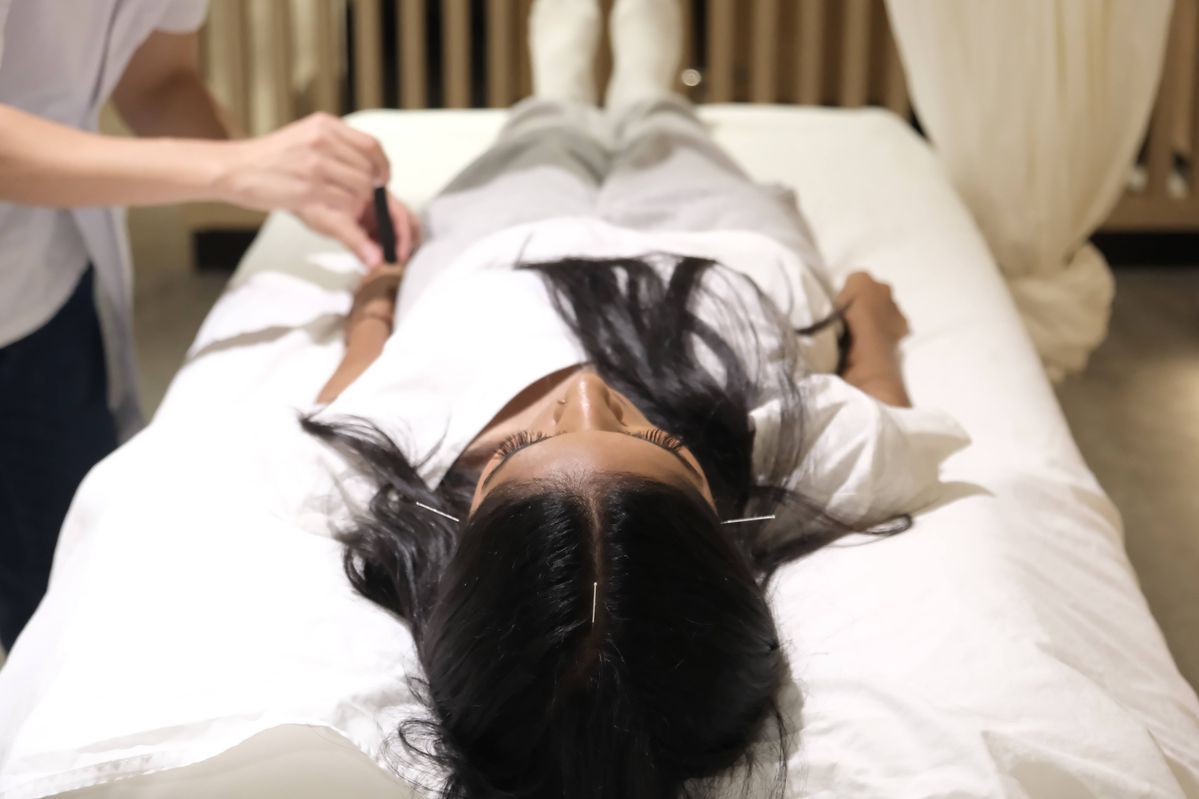
During each session, you'll relax on a comfortable treatment table. Your acupuncturist gently inserts very fine, sterile, single-use needles into specific points on your body. The needles are hair-thin — far thinner than injection needles — and most patients feel minimal discomfort. Many people describe the sensation as a dull heaviness, a mild tingling, or warmth, which indicates that Qi is flowing properly.
Needles typically remain in place for 20 to 40 minutes. During this time, most patients feel deeply relaxed, and some even fall asleep.
Step 4: Ongoing Assessment and Adjustments
After each session, your acupuncturist evaluates your response and adjusts the treatment plan as needed. Some patients experience noticeable relief within the first few sessions, while others with chronic or severe neuralgia may require a longer course of treatment before significant improvements take hold.
Types of Needles Used in Neuralgia Treatment
A common concern among patients considering acupuncture is the needles themselves. Understanding what's actually involved can help put your mind at ease.
Acupuncture needles used for neuralgia treatment are called filiform needles. They're made of surgical-grade stainless steel and are remarkably thin:
Diameter: Ranges from 0.12mm to 0.35mm (for comparison, a standard sewing needle is about 0.8mm)
Length: Varies from 8mm to 70mm, depending on the treatment area
Material: Typically stainless steel; some specialty needles are made of gold or silver
For neuralgia treatment — particularly trigeminal neuralgia affecting the face — shorter, finer needles are generally used. Every needle is sterile and disposable, used only once and then discarded. There's no risk of cross-contamination or infection when acupuncture is performed at a reputable clinic like Rosedale Wellness Centre.
It's worth noting that dry needling uses similar fine needles but follows a different clinical framework. While dry needling targets myofascial trigger points based on Western anatomy, acupuncture addresses energy flow through meridian-based principles. Both techniques can be part of a comprehensive nerve pain management plan.
Benefits of Acupuncture for Neuralgia
Acupuncture offers several distinct advantages for neuralgia patients compared to other treatment options:
Minimal side effects — Unlike anticonvulsant medications that can cause drowsiness, weight gain, and cognitive fog, acupuncture has virtually no systemic side effects. Mild bruising or soreness at needle sites is the most common reaction, and it resolves quickly.
No recovery downtime — You can return to your normal activities immediately after a session. There's no sedation, no post-procedure restrictions, and no healing period.
Drug-free pain management — For patients who prefer to avoid long-term medication use, or who haven't responded well to pharmaceutical treatments, acupuncture offers a natural alternative.
Treats the whole person — Acupuncture doesn't just address the nerve pain itself. It helps regulate sleep, reduce stress and anxiety, improve digestion, and restore overall energy — all of which contribute to a better quality of life.
Complements other treatments — Acupuncture works synergistically with physiotherapy, chiropractic care, and osteopathy. Many patients find that combining acupuncture with manual therapy produces better results than any single treatment alone.
Suitable for most patients — Acupuncture is generally safe for adults of all ages, including elderly patients who may be more vulnerable to medication side effects.
When Acupuncture May Have Limitations
Transparency and honesty are important to us at Rosedale Wellness Centre. While acupuncture is highly effective for many neuralgia patients, it's not a miracle cure, and there are situations where its effects may be limited:
Deep nerve involvement — If the affected nerve is located deep within the body and difficult to influence through surface-level needle insertion, acupuncture alone may not be sufficient.
Severe structural compression — When neuralgia is caused by a tumor, severe bone spur, or other structural issue compressing the nerve, surgical intervention may be necessary. Acupuncture can still play a supportive role in managing pain before and after surgery.
Inconsistent response in some patients — As with any treatment, individual responses vary. Some patients experience dramatic relief quickly, while others respond more gradually. A skilled acupuncturist will continuously adjust the approach based on your progress.
Multiple sessions required — Acupuncture is rarely a one-and-done solution for neuralgia. Most patients need a series of treatments to achieve lasting results. This requires a commitment of time and resources, but the long-term benefits often make it worthwhile.
The key is working with experienced practitioners who can honestly assess whether acupuncture is the right fit for your specific condition — and who can integrate it with other effective therapies when needed.
Combining Acupuncture With Other Therapies for Better Results
At Rosedale Wellness Centre, we take a multi-disciplinary approach to neuralgia and nerve pain. Acupuncture is powerful on its own, but its effectiveness often increases when combined with other evidence-based treatments.
Here are some therapies that pair well with acupuncture for neuralgia:
- Physiotherapy — Targeted exercises and manual therapy techniques can help restore mobility, strengthen supporting muscles, and reduce nerve compression. Physiotherapy is particularly valuable for neuralgia caused by postural issues or repetitive strain.
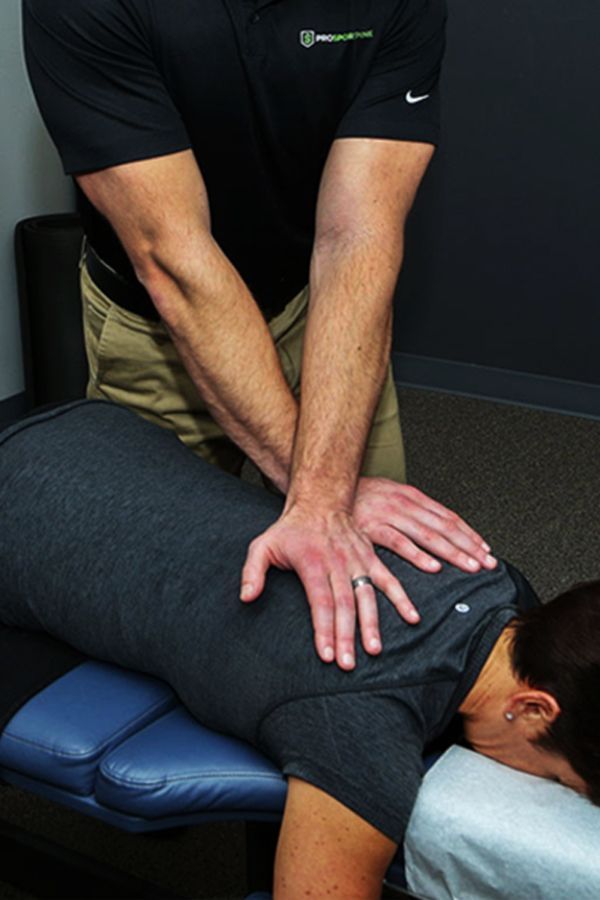
- Chiropractic care — Spinal misalignments can contribute to nerve irritation. Chiropractic adjustments may help relieve pressure on affected nerves, especially in cases of occipital neuralgia or sciatica-related nerve pain.
- Massage therapy — Reducing muscle tension around irritated nerves can provide significant relief. Myofascial release techniques are especially helpful for releasing tight fascia that may be compressing nerves.
- Osteopathy — Osteopathic manual therapy addresses structural imbalances throughout the body that may be contributing to nerve pain.
- Naturopathy — Nutritional support, anti-inflammatory supplements, and lifestyle modifications can create an internal environment that supports nerve healing and reduces pain sensitivity.
- Electrical stimulation — Modalities like TENS (Transcutaneous Electrical Nerve Stimulation) can complement acupuncture by providing additional nerve pain modulation.
- Therapeutic ultrasound — This treatment uses sound waves to promote tissue healing and reduce inflammation around damaged nerves.
Our team works collaboratively to determine the ideal combination of treatments for your situation. Whether you need acupuncture alone or a broader rehabilitation plan, we tailor every aspect of your care.
Who Should Consider Acupuncture for Neuralgia?
Acupuncture for neuralgia may be right for you if:
You've been diagnosed with trigeminal neuralgia, occipital neuralgia, postherpetic neuralgia, or another nerve pain condition
Medications haven't provided adequate relief, or you're experiencing unwanted side effects
You want to explore drug-free pain management options
You're looking for a treatment that addresses your overall well-being, not just the pain
You've been told surgery is an option but want to try conservative treatments first
Your neuralgia is connected to a condition like sciatica, TMJ dysfunction, or fibromyalgia
You're recovering from shingles and dealing with lingering nerve pain
Even if you're currently taking medication for neuralgia, acupuncture can be used alongside your existing treatment. Many patients find that consistent acupuncture sessions allow them to gradually reduce their reliance on pain medications under their doctor's guidance.
Why Choose Rosedale Wellness Centre for Acupuncture in Toronto
Not all acupuncture experiences are the same. The skill, experience, and approach of your practitioner make a significant difference in your results. Here's what sets Rosedale Wellness Centre apart:
Registered, experienced acupuncturists — Our practitioners are fully licensed and bring years of clinical experience in treating complex pain conditions, including neuralgia.
Multi-disciplinary team — With physiotherapists, chiropractors, massage therapists, osteopaths, naturopaths, and athletic therapists all under one roof, we offer truly integrated care.
Personalized treatment plans — We never take a cookie-cutter approach. Every treatment plan is designed around your specific diagnosis, pain patterns, and recovery goals.
Convenient downtown Toronto location — Located at 120 Bloor St E, we're easily accessible from Rosedale, Yorkville, the Annex, and surrounding Toronto neighbourhoods.
Same-day appointments — When you're in pain, waiting isn't an option. We offer same-day appointments so you can get the care you need quickly.
Direct billing — Our concierge billing team handles the insurance paperwork so you can focus on your recovery, not administration.
- Free initial consultation — We offer a complimentary 10-minute acupuncture consultation so you can learn about the process and ask questions before committing to treatment.
Frequently Asked Questions About Acupuncture for Neuralgia
How does acupuncture help with neuralgia and nerve pain?
Acupuncture helps with neuralgia by stimulating specific points along meridians to promote the flow of Qi (energy) and blood circulation. This reduces inflammation around affected nerves, triggers the release of natural pain-relieving endorphins, and helps restore nervous system balance. Many patients experience significant relief from trigeminal neuralgia, occipital neuralgia, and postherpetic neuralgia through consistent acupuncture treatment.
How many acupuncture sessions are needed to treat neuralgia?
The number of sessions varies depending on the severity and type of neuralgia. Some patients notice improvement after 2 to 3 sessions, while chronic cases may require 8 to 12 sessions or more. Most treatment plans involve 1 to 2 sessions per week initially, with frequency decreasing as symptoms improve. Your acupuncturist at Rosedale Wellness Centre will create a personalized treatment schedule based on your specific condition and how your body responds to each session.
Can acupuncture be combined with other treatments for neuralgia?
Absolutely. Acupuncture works very well alongside other therapies. At Rosedale Wellness Centre, acupuncture is often combined with physiotherapy, chiropractic care, massage therapy, electrical stimulation, and dry needling for comprehensive nerve pain management. This integrative, multi-disciplinary approach can enhance treatment effectiveness and support faster recovery.
Is acupuncture safe for treating trigeminal neuralgia?
Acupuncture is considered safe for treating trigeminal neuralgia when performed by a registered, qualified practitioner. Side effects are rare and typically limited to mild soreness or slight bruising at needle insertion sites. Unlike medications commonly prescribed for trigeminal neuralgia, acupuncture carries no risk of dependency or systemic side effects such as drowsiness and cognitive fog. All needles used at Rosedale Wellness Centre are sterile, single-use, and disposable, meeting the highest safety standards.
Take the First Step Toward Neuralgia Relief
Living with neuralgia doesn't have to mean living with constant pain. Acupuncture offers a safe, effective, and time-tested approach to calming irritated nerves, reducing pain episodes, and restoring your quality of life.
At Rosedale Wellness Centre, our team is ready to help you find relief. Whether your neuralgia is a new concern or something you've been battling for years, we'll work with you to develop a treatment plan that addresses your pain and supports your overall health.
Ready to Explore Acupuncture for Your Nerve Pain?
Contact Rosedale Wellness Centre today to schedule your free 10-minute acupuncture consultation. Same-day appointments are available, and we offer direct billing for your convenience.
Visit us at: 120 Bloor St E #105, Toronto, ON M4W 1B7