Why Stretching Is A Critical Part Of Your Physiotherapy Treatment

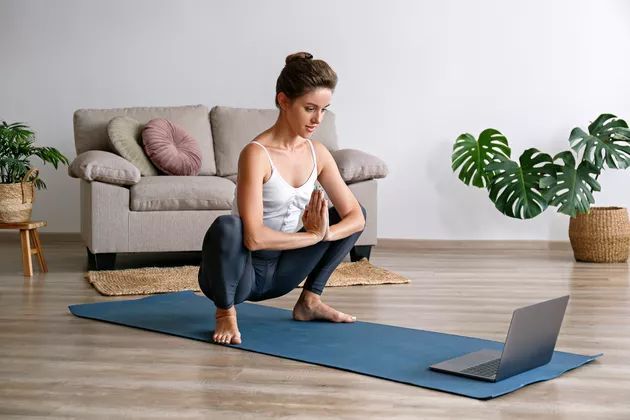
Do you stretch regularly? If you don’t, you could be increasing your risk of an injury in the future. Because chances are, you have at least some joints or areas in your body that are not as flexible and mobile as they could be. But what happens if you’re not sure where your specific mobility limitations are nor how to fix them? Contact our physiotherapy clinic today if you’d like to work with a physiotherapist who can help you pinpoint the exact areas of your body that could benefit from regular mobility work and teach you safe and effective stretches to improve your body.
5 Benefits of Stretching
Modern life involves a lot of sitting down. Over time, this can lead to tightness and shortening of muscles in areas of the body like the hip flexors, shoulders, chest, and ankles. According to organizations like Mayo Clinic and the American Physical Therapy Association, correcting these areas of inflexibility through routine stretching can benefit you by:
- Restoring and maintaining your joints’ and tissues’ ideal range of motion
- Correcting abnormal or compensatory movement patterns that may otherwise increase tissue tension and tissue damage
- Improving your efficiency and quality of movement during a variety of functional tasks, which can translate to everything from improved athletic performance to better productivity at work
- Reducing your risk of injury
- Increasing blood flow and circulation in your tissues and boosting tissue health
Many people also find that maintaining a consistent stretching routine is a good way to relieve emotional stress. This makes sense, because we know that stress is associated with changes in the nervous system that can influence the structure and tension in our musculoskeletal tissues. By alleviating tension in the body through stretching, you help trigger changes in the nervous system that ultimately alleviate mental tension, too. Talk about a brain/body connection!
Overall, our patients find that stretching can become an enjoyable part of their normal self-care routine. At our physiotherapy clinic, we consider it our job to help you become your own self-care master. That’s why we’re happy to teach you safe and effective stretches you can do on your own so you’ll start feeling better in body and mind.
Here’s How a Physiotherapist Can Help You Get the Most Out of Your Stretches
Now that we have a better understanding of why stretching is so beneficial, the next step is to figure out what type of stretching is best for you. Here’s where physiotherapy is so valuable! A physiotherapist can optimize your stretching routine by:
- Testing your range of motion. This allows us to clearly identify areas in your body that have tense or tightened tissues that could benefit from proper mobilization and flexibility exercises.
- Detecting underlying postural imbalances that may be contributing to inflexibility. For instance, you may have short hamstrings due to issues with a weak core, poor ergonomic set-up at work, or altered foot mechanics. But unless those contributing factors are properly identified and resolved, stretching your hamstrings probably won’t provide you with any lasting relief, since the underlying triggers will still be there!
- Teaching you how to stretch properly. When you go to a gym and watch people stretch, you’ll often see incorrect or even unsafe movements. We use the science of body mechanics and human physiology to show you exactly when, what, how, and how long to stretch so you’ll actually start to see significant improvements. Just as importantly, we can also teach you where NOT to stretch if you have specific joints or areas that are TOO mobile.
- Introducing you to a variety of stretching techniques. Holding a stretch statically is just one way to work on your mobility. But there are also a lot of other neat ways to stretch and self-mobilize that you may enjoy and find use out of.
- Enhancing your self-stretching routine with manual therapy. A physiotherapist has skills and tools to help you get even more out of a stretch that you could ever do on your own. This includes specialized tables, straps, and even other modalities that can tackle underlying issues and optimize tissue health and healing.
- Assessing your movement quality before and after stretching. We can help you see the “before” and “after” changes in your movement patterns to give you extra feedback and motivation for keeping up with your stretching routine.
Need Some Guidance for Your Personalized Stretching Routine?
For most people, stretching is considered an important part of body maintenance, injury prevention, and improved physical performance. But not all stretches were created equal, and what works best for one person may not be ideal for you. Contact Rosedale Wellness Centre today if you’d like to learn about the stretches that can help you feel and perform your best at work, in sport, or while out and about in your daily life.
Source:
The post Why Stretching Is A Critical Part Of Your Physiotherapy Treatment appeared first on Rosedale Wellness Centre.