Dry Needling vs. Acupuncture: Key Differences, Benefits & Which Is Right for You
Dry Needling vs. Acupuncture: Key Differences, Benefits and Which Is Right for You
Muscle pain has a way of creeping into everything. It can make a simple turn of the head feel difficult, interrupt sleep, and slow you down during workouts or long hours at a desk. If you've been dealing with persistent tension, chronic aches, or limited mobility, chances are you've come across two treatments that sound remarkably similar: dry needling and acupuncture.
Both involve thin, sterile needles. Both are offered in clinics across Toronto. And both have strong track records of helping people manage pain. But the similarities mostly end there. The difference between dry needling and acupuncture comes down to philosophy, technique, treatment goals, and the conditions each is best suited for.
This guide breaks down everything you need to know about dry needling vs. acupuncture so you can have an informed conversation with your practitioner and choose the approach that makes the most sense for your body and your goals.
Key Takeaways
- Dry needling targets muscular trigger points and is rooted in Western musculoskeletal science. It's commonly used for acute muscle pain, sports injuries, and postural tension.
- Acupuncture is based on Traditional Chinese Medicine (TCM) and works along the body's meridian pathways. It's often chosen for chronic pain, stress, headaches, sleep issues, and general wellness.
- Both treatments use thin, sterile needles, but the insertion techniques, treatment goals, and clinical reasoning behind each are quite different.
- Dry needling and acupuncture are both considered safe when performed by trained, licensed practitioners.
- Many patients benefit from combining both approaches alongside other therapies such as physiotherapy and massage for more complete care.
What Is Dry Needling?
Dry needling is a modern, evidence-informed treatment used primarily by physiotherapists, chiropractors, and other musculoskeletal specialists. The technique involves inserting thin, solid filament needles directly into myofascial trigger points, which are tight, irritable knots within muscle tissue that can cause local or referred pain.
So how does dry needling work, exactly? When a needle is inserted into a trigger point, it can produce a brief involuntary contraction of the muscle, often called a "local twitch response." This twitch is actually a good sign. It indicates that the practitioner has reached the problematic tissue, and the muscle can begin to release its held tension. The result is often a noticeable reduction in tightness, improved blood flow to the area, and decreased pain signalling.
The word "dry" simply means no medication or injectable substance is used. It's purely a mechanical intervention. The needle itself is the treatment tool, and the goal is to reset dysfunctional muscle tissue so it can relax and function properly again.
Dry needling is grounded in Western anatomical and neurophysiological principles. Practitioners rely on their knowledge of musculoskeletal anatomy, palpation skills, and clinical assessment to determine which muscles and trigger points need attention. It's a focused, targeted approach, and sessions tend to be shorter and more condition-specific than traditional acupuncture.
What Is Acupuncture?
Acupuncture is one of the oldest medical practices in the world, with roots in Traditional Chinese Medicine (TCM) dating back more than 2,500 years. The foundational concept is that the body contains a network of energy pathways called meridians, through which vital energy, known as Qi (pronounced "chee"), flows. When this energy becomes blocked or imbalanced, pain, illness, and dysfunction can follow.
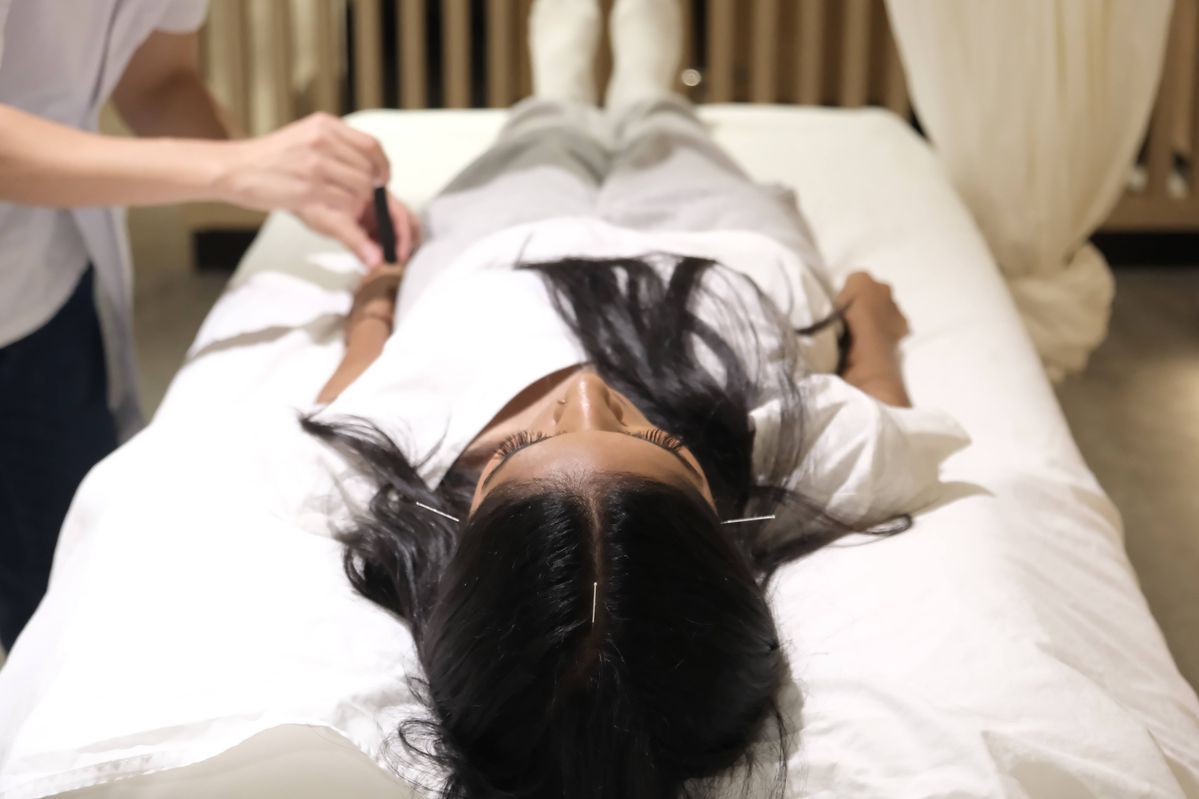
During an acupuncture session, a trained practitioner inserts very fine needles into specific points along these meridians. There are over 360 recognized acupuncture points on the body, and the selection depends on the patient's symptoms, overall health picture, and the practitioner's diagnostic assessment. The goal is to restore balance and encourage the body's natural healing processes.
It's worth mentioning that acupuncture has evolved significantly. Many modern practitioners integrate a clinical or "medical acupuncture" approach that combines traditional point selection with current understanding of neuroanatomy and pain science. This blended model is common in Canadian healthcare settings and is used in many multi-disciplinary clinics offering acupuncture in downtown Toronto, including Rosedale Wellness Centre.
Acupuncture tends to address the body more broadly. A single session might target pain in one area while also addressing sleep quality, digestive health, or stress. This whole-body perspective is one of the key philosophical differences between acupuncture and dry needling.
Dry Needling vs. Acupuncture: Key Differences
Understanding the differences between these two treatments can help you decide which one aligns best with your needs. Here's a side-by-side comparison:
| Category | Dry Needling | Acupuncture |
|---|---|---|
| Treatment Philosophy | Western musculoskeletal science, anatomy, and neurophysiology | Traditional Chinese Medicine (TCM), meridian theory, Qi flow |
| Primary Purpose | Release muscular trigger points, reduce local pain, restore muscle function | Restore energy balance, support the body's natural healing, treat systemic conditions |
| Techniques Used | Direct needle insertion into trigger points; may involve pistoning or needle rotation | Needle placement along meridian points; may include moxibustion, cupping, or electroacupuncture |
| Pain Level | Brief, mild discomfort or a twitch response at the trigger point; generally well-tolerated | Minimal discomfort; patients often describe a dull ache, warmth, or tingling sensation |
| Recovery Time | Mild soreness for 24 to 48 hours is common; most patients resume activity the same day | Little to no downtime; some patients feel deeply relaxed or mildly fatigued afterward |
| Typical Conditions Treated | Muscle knots, sports injuries, back pain, neck tension, repetitive strain, postural dysfunction | Chronic pain, headaches, stress, anxiety, sleep disturbances, digestive issues, general wellness |
| Session Experience | Shorter, targeted sessions (often 15 to 30 minutes); typically part of a broader physiotherapy visit | Longer sessions (30 to 60 minutes); needles may be left in place for 15 to 30 minutes while the patient rests |
| Cost Considerations | Often included within a physiotherapy or chiropractic session; may be covered under extended health plans | Typically billed as a standalone treatment; many insurance plans cover acupuncture with a registered practitioner |
How Each Treatment Works in the Body
Even though both treatments use needles, they interact with the body in distinct ways. Understanding these mechanisms can help you appreciate why one might be recommended over the other for your particular concern.
Dry Needling: A Muscular Reset
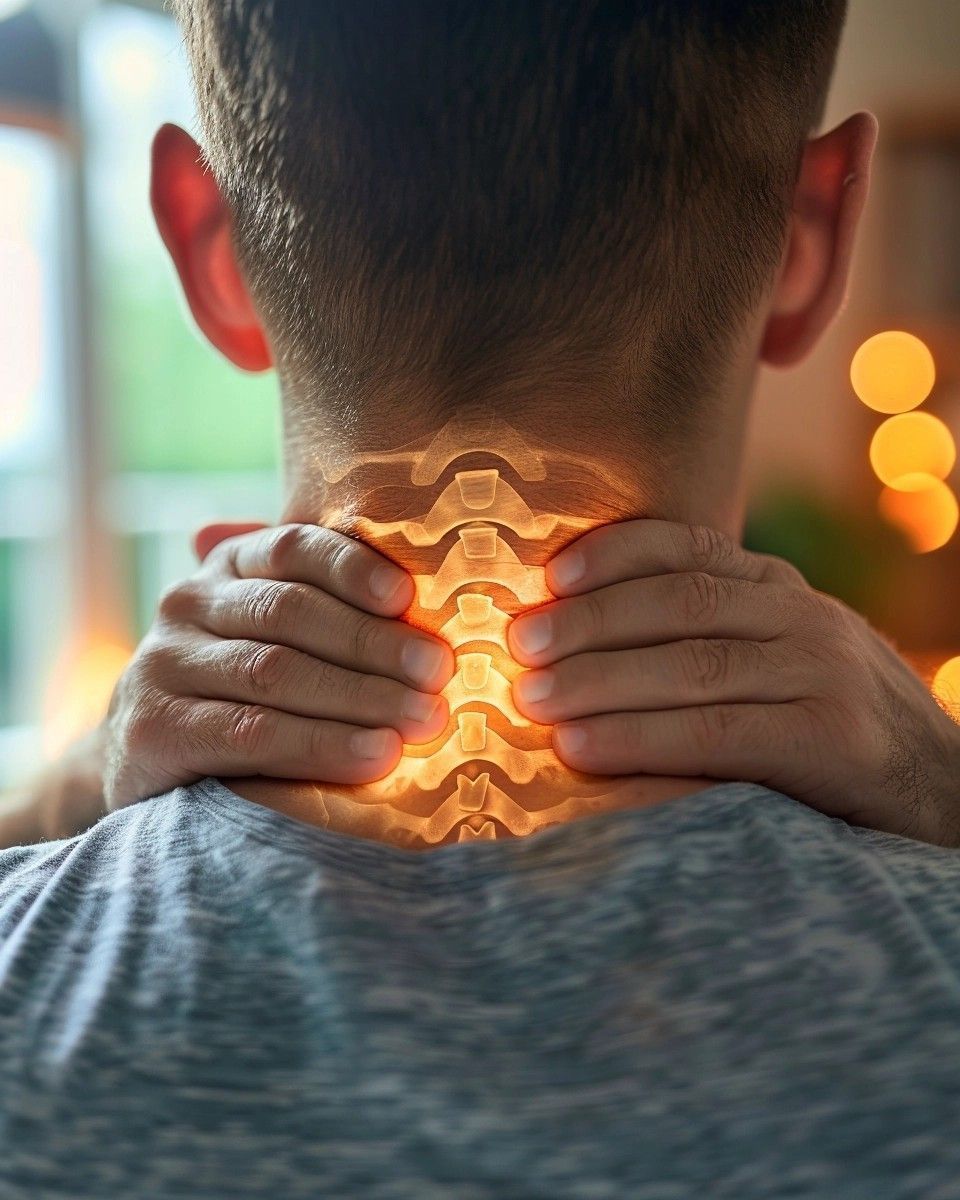
Dry needling focuses on myofascial trigger points. These are hyperirritable spots within a taut band of skeletal muscle. They can develop from overuse, poor posture, repetitive movements, or trauma. When active, these trigger points restrict range of motion, cause local tenderness, and frequently refer pain to other areas of the body. A trigger point in your upper trapezius, for example, might send pain up the side of your neck or into your temple.
When a needle enters the trigger point, it disrupts the dysfunctional motor end plate and creates a local twitch response. This involuntary muscle contraction helps break the pain cycle by releasing the sustained contraction. Blood flow increases to the area, flushing out inflammatory chemicals and bringing in oxygen and nutrients needed for tissue repair. The nervous system also responds: the needle stimulation activates pain-inhibiting pathways and can decrease the sensitivity of the trigger point over subsequent sessions.
Acupuncture: A Systemic Response
Acupuncture works through several interconnected mechanisms. On a neurological level, the insertion of needles stimulates sensory nerve fibres, which send signals to the brain and spinal cord. This activates the release of endorphins, enkephalins, and other natural pain-relieving chemicals. The result is a widespread analgesic effect that goes beyond the site where the needles are placed.
Acupuncture also influences the autonomic nervous system, the branch that controls involuntary functions such as heart rate, digestion, and the stress response. Many patients notice a shift toward a parasympathetic (rest-and-digest) state during treatment, which is why sessions often feel deeply calming. Improved circulation, reduced muscle tension, and a dampening of the inflammatory response are also commonly observed effects.
In short, dry needling acts locally and specifically on muscles, while acupuncture creates a broader, whole-body response. Both can be effective for pain. The best choice depends on what's driving your symptoms.
Conditions Best Treated with Dry Needling
Dry needling tends to be most effective for conditions with a clear muscular component. If your pain is tied to specific muscles that feel tight, knotted, or restricted, this treatment is often a strong fit.
- Muscle knots and myofascial pain: The most direct application of dry needling. If you can point to a specific spot that's tight and tender, a trigger point is likely involved.
- Sports injuries: Runners, hockey players, cyclists, and weekend athletes often develop overuse injuries that respond well to trigger point therapy. Dry needling can help reduce muscle guarding and speed up recovery.
- Neck and shoulder tension: Office workers and anyone spending long hours at a computer commonly develop tension in the upper trapezius, levator scapulae, and suboccipital muscles. These areas respond particularly well to needling.
- Posture-related pain: Poor postural habits create chronic muscle imbalances. Dry needling can release overactive muscles as part of a larger postural correction plan.
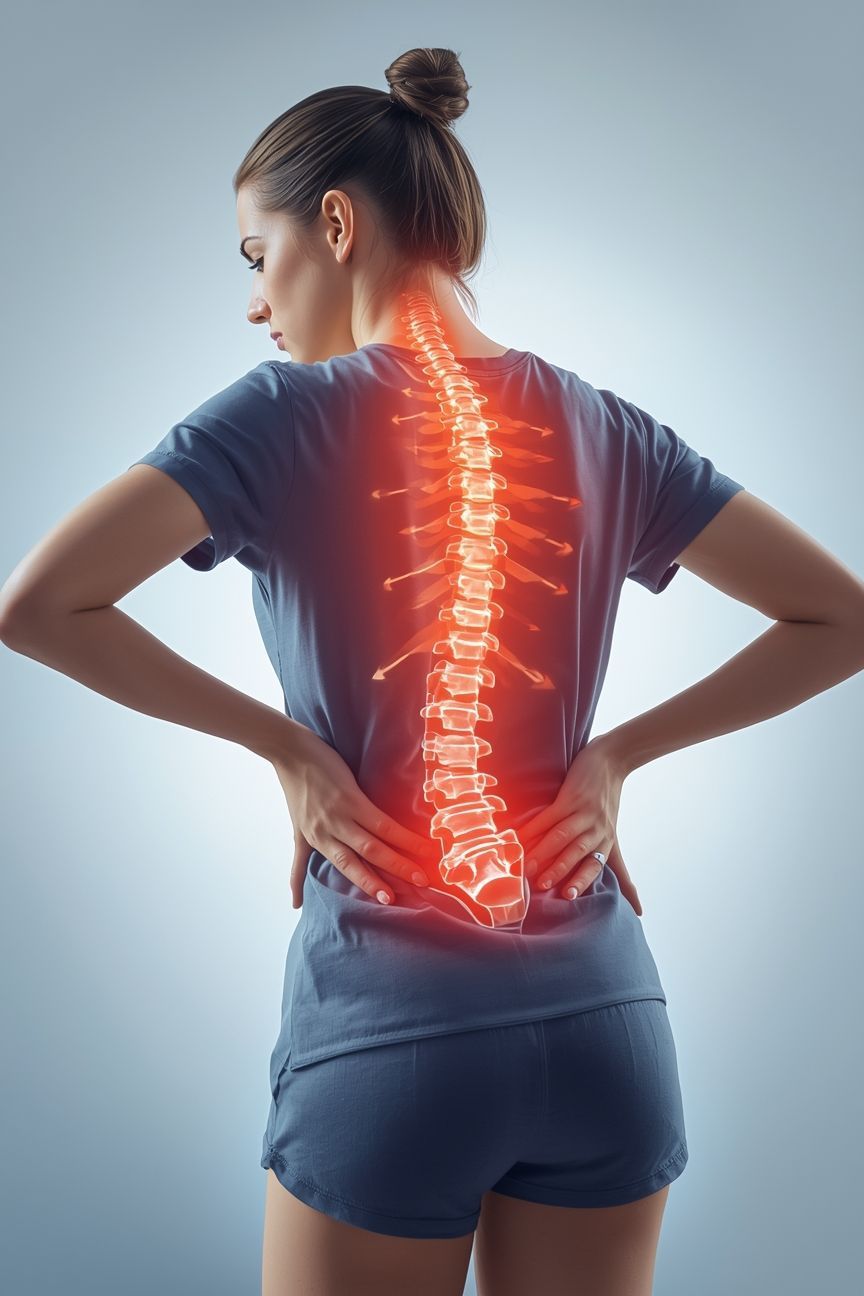
- Back pain: Dry needling for back pain is one of the most requested treatments at our clinic. Trigger points in the lumbar paraspinal muscles, quadratus lumborum, and gluteal muscles are frequent contributors to lower back discomfort.
- Repetitive strain injuries: Conditions like tennis elbow, golfer's elbow, and carpal tunnel-related forearm tension often involve trigger points that benefit from targeted needling.
The key factor is muscular dysfunction. If your practitioner identifies active trigger points during your assessment, dry needling in Toronto at Rosedale Wellness Centre may be recommended as part of your care plan.
Conditions Commonly Treated with Acupuncture
Acupuncture tends to shine in situations where pain is more diffuse, where stress is a significant contributor, or where symptoms extend beyond the musculoskeletal system.
- Chronic pain: Long-standing pain conditions that haven't responded fully to other treatments often benefit from acupuncture's ability to modulate the central nervous system's pain processing.
- Stress-related tension: If your muscle tightness is closely tied to stress, anxiety, or emotional strain, acupuncture's calming effect on the nervous system can address the root cause rather than just the symptom.
- Headaches and migraines: Research supports acupuncture as an effective treatment for both tension-type headaches and migraines, with some studies suggesting it can reduce the frequency and severity of episodes over time.
- Anxiety and mood concerns: Acupuncture's influence on neurotransmitter activity and the autonomic nervous system makes it a popular choice for patients managing anxiety or mood-related symptoms.
- Sleep disturbances: Difficulty falling asleep or staying asleep is often linked to an overactive sympathetic nervous system. Acupuncture can help shift the body toward a more restful state.
- General wellness support: Many patients use acupuncture preventatively, scheduling regular sessions to maintain balance, manage stress, and support immune function throughout the year.
Acupuncture is not limited to these conditions, of course. It's also used alongside other treatments for digestive concerns, menstrual irregularities, and recovery from illness. The versatility of the practice is one of its greatest strengths.
Is Dry Needling Safe?
This is one of the most common questions patients ask, and it's an important one. The short answer: yes, dry needling is safe when performed by a qualified, trained practitioner.
In Ontario, dry needling is performed by regulated healthcare professionals, including physiotherapists and chiropractors, who have completed specific post-graduate training in the technique. These practitioners understand the anatomy thoroughly and know how to avoid sensitive structures such as nerves, blood vessels, and the pleural lining of the lungs.
Needles used in dry needling are single-use, sterile, and individually packaged. They are disposed of immediately after treatment. Standard infection control protocols, including hand hygiene and skin preparation, are followed at reputable clinics.
Common Dry Needling Side Effects
Dry needling side effects are generally mild and short-lived. The most frequently reported reactions include:
- Local soreness: The treated muscle may feel tender for 24 to 48 hours, similar to the soreness you might feel after a deep workout. This is a normal response and typically resolves on its own.
- Minor bruising: Small bruises can occasionally occur at the needle insertion site. They are harmless and fade within a few days.
- Temporary fatigue: Some patients feel tired or slightly drained after a session, particularly the first time. Rest and hydration usually help.
- Emotional release: In rare cases, patients may experience an emotional response during or after treatment. This is not unusual with any hands-on bodywork that releases deeply held muscular tension.
Serious complications are extremely rare when dry needling is performed by a trained professional. If you have concerns about whether the treatment is appropriate for you, discuss them with your practitioner before your session. Transparency and informed consent are always part of responsible clinical care.
Which Treatment Should You Choose?
There's no single answer that works for everyone. The right choice between dry needling and acupuncture depends on what you're experiencing, what your goals are, and what your practitioner recommends based on a thorough assessment.
Here are some general guidelines to consider:
Dry needling may be a better fit if you:
- Have specific, localized muscle pain or trigger points
- Are recovering from a sports injury or repetitive strain
- Experience postural pain related to desk work or physical activity
- Want a targeted treatment that integrates with physiotherapy or chiropractic care
- Are dealing with acute or subacute muscular dysfunction
Acupuncture may be a better fit if you:
- Have chronic, widespread, or recurring pain
- Are managing high stress levels, anxiety, or sleep difficulties
- Experience headaches or migraines on a regular basis
- Prefer a whole-body approach that addresses multiple symptoms at once
- Are looking for ongoing wellness maintenance alongside other treatments
The best starting point is always a clinical assessment. Your practitioner can evaluate your condition, identify the underlying causes of your symptoms, and recommend the most appropriate treatment, or combination of treatments, for your situation. Avoid self-diagnosing based on internet research alone. A hands-on assessment provides information that no article can replace.
Combining Dry Needling, Acupuncture, and Massage Therapy
One of the advantages of receiving care at a multi-disciplinary clinic is the ability to combine therapies for a more complete approach. Dry needling, acupuncture, and massage therapy each offer distinct benefits, and they often work better together than any one treatment in isolation.
Here's how these therapies can complement each other:
- Dry needling + physiotherapy: Releasing trigger points through needling can make subsequent physiotherapy exercises more effective. When tight muscles are deactivated, patients can move through rehabilitation exercises with less pain and better range of motion.
- Acupuncture + stress management: For patients whose pain is amplified by stress or poor sleep, acupuncture sessions can calm the nervous system and create a better foundation for physical recovery.
- Massage therapy + dry needling: Massage therapy in Toronto services like deep tissue or myofascial release work well alongside dry needling. Massage addresses broader areas of tension and improves circulation, while needling can target stubborn knots that manual pressure alone may not fully resolve.
- Posture correction + combined care: Patients working on postural improvements often benefit from a mix of needling (to release overactive muscles), acupuncture (to manage discomfort during the correction process), and therapeutic exercise (to build strength in underactive muscles).
- Athletic recovery: Athletes frequently use a combination of dry needling, acupuncture, and sports massage to manage training loads, speed up recovery between competitions, and address injuries before they become chronic.
At Rosedale Wellness Centre, our team of physiotherapists, chiropractors, registered massage therapists, and acupuncturists collaborate to build cohesive treatment plans. Rather than treating each symptom in isolation, this integrated model means your care providers communicate with each other and adjust your plan as you progress.
If you're not sure where to start, a consultation with one of our practitioners can help clarify which combination of services is most appropriate for you.
Frequently Asked Questions
What is the difference between dry needling and acupuncture?
Dry needling is based on Western musculoskeletal science and targets specific muscle trigger points to relieve pain and restore function. Acupuncture originates from Traditional Chinese Medicine and involves inserting needles along meridian pathways to restore energy balance and support the body's natural healing. Both use thin needles, but their clinical reasoning, techniques, and treatment goals are fundamentally different.
Is dry needling painful?
Most patients describe dry needling as mildly uncomfortable rather than painful. You may feel a brief twitch or cramping sensation when the needle contacts a trigger point, but this typically lasts only a second or two. The discomfort is generally well-tolerated, and many patients notice immediate relief in the treated area afterward.
Is dry needling safe?
Yes. Dry needling is considered safe when performed by a regulated, trained healthcare professional. Practitioners use sterile, single-use needles and follow strict infection control protocols. Serious side effects are extremely rare. The most common reactions are mild soreness, minor bruising, or temporary fatigue.
What are common dry needling side effects?
The most common side effects include localized soreness at the treatment site (similar to post-exercise muscle tenderness), minor bruising, and occasional fatigue. These reactions typically resolve within 24 to 48 hours. Drinking water and applying gentle heat to the area can help ease any residual discomfort.
Can dry needling help back pain?
Absolutely. Dry needling for back pain is one of the most common applications of the technique. Trigger points in the lumbar muscles, glutes, and hip flexors frequently contribute to lower back pain, and targeted needling can help release these areas, reduce pain, and improve mobility.
How many sessions will I need?
The number of sessions varies depending on your condition, severity, and how your body responds. Some patients notice significant improvement after one or two sessions, while chronic or complex conditions may require a series of treatments over several weeks. Your practitioner will discuss a recommended treatment timeline after your initial assessment.
Which treatment is better for muscle tension?
For isolated, specific muscle tension with identifiable trigger points, dry needling is often the more direct and effective choice. For tension that's more widespread or closely tied to stress and overall nervous system activation, acupuncture may provide broader relief. In many cases, a combination of both yields the best results.
Take the Next Step Toward Relief
Choosing between dry needling and acupuncture doesn't have to be a guessing game. Both are effective, evidence-informed treatments, and the right one for you depends on your body, your symptoms, and your goals.
At Rosedale Wellness Centre in downtown Toronto, our licensed practitioners take the time to assess your condition, explain your options, and build a treatment plan that actually fits your needs. If you've been dealing with persistent pain, muscle tension, or chronic discomfort, a professional assessment is the clearest path forward.