Massage Therapy for Teens: Stress Relief | Toronto
Stress isn't just an adult problem. If you're the parent of a teenager, you've likely seen the toll that school pressure, social conflicts, and an always-connected digital life can take on their wellbeing. Headaches, disrupted sleep, irritability, tight shoulders, and persistent fatigue are now alarmingly common in teens across Toronto and beyond.
While therapy and lifestyle changes are important first steps, many families overlook a powerful, evidence-based option: massage therapy. It's not just about relaxation. For teenagers, professional massage can reduce cortisol levels, ease chronic muscle tension, improve sleep quality, and give them a much-needed reset during some of the most demanding years of their lives.
This guide covers everything parents and teens need to know about massage therapy for teenage stress, including what the research says, which techniques work best, when to consider complementary treatments, and how to get started at a multidisciplinary clinic like Rosedale Wellness Centre in downtown Toronto.
Why Are So Many Teens Stressed? Understanding the Root Causes
Before exploring how massage therapy helps, it's worth understanding why teen stress has become so widespread. Recognizing the source of the problem makes it easier to choose the right treatment approach.
Academic Pressure
Heavy course loads, standardized testing, university admission competition, and the constant need to maintain high GPAs put enormous pressure on today's students. Many teens spend hours hunched over textbooks and laptops, which creates both mental fatigue and physical strain in the neck, shoulders, and upper back.
Social and Emotional Challenges
Friendships, peer pressure, bullying, romantic relationships, and the ever-present influence of social media create a complicated emotional landscape. Teens often internalize these stressors, and the resulting anxiety manifests physically as jaw clenching, tension headaches, stomach issues, and disrupted sleep.
Family Dynamics
Divorce, financial instability, family conflict, relocation, and the loss of a loved one can deeply affect a teenager's sense of security. These experiences trigger a sustained stress response that tightens muscles, elevates heart rate, and depletes energy reserves over time.
Physical Demands and Sports
Student athletes face a unique combination of physical and mental stress. Intense training schedules, competition anxiety, overuse injuries, and the fear of letting teammates down can push young bodies past their limits. Without proper recovery, this leads to chronic soreness, restricted mobility, and eventual burnout.
Digital Overload and Sleep Deprivation
Teens today spend an average of seven or more hours per day on screens outside of schoolwork. Poor posture during phone and computer use contributes to neck pain and upper back stiffness. Blue light exposure at night disrupts melatonin production, leading to sleep deprivation that amplifies every other stressor.
How Stress Affects a Teenager's Body and Mind
Stress isn't just a feeling. It triggers a cascade of physiological changes that, when sustained, can impact every system in the body. For teenagers whose nervous systems are still developing, the effects can be especially pronounced.
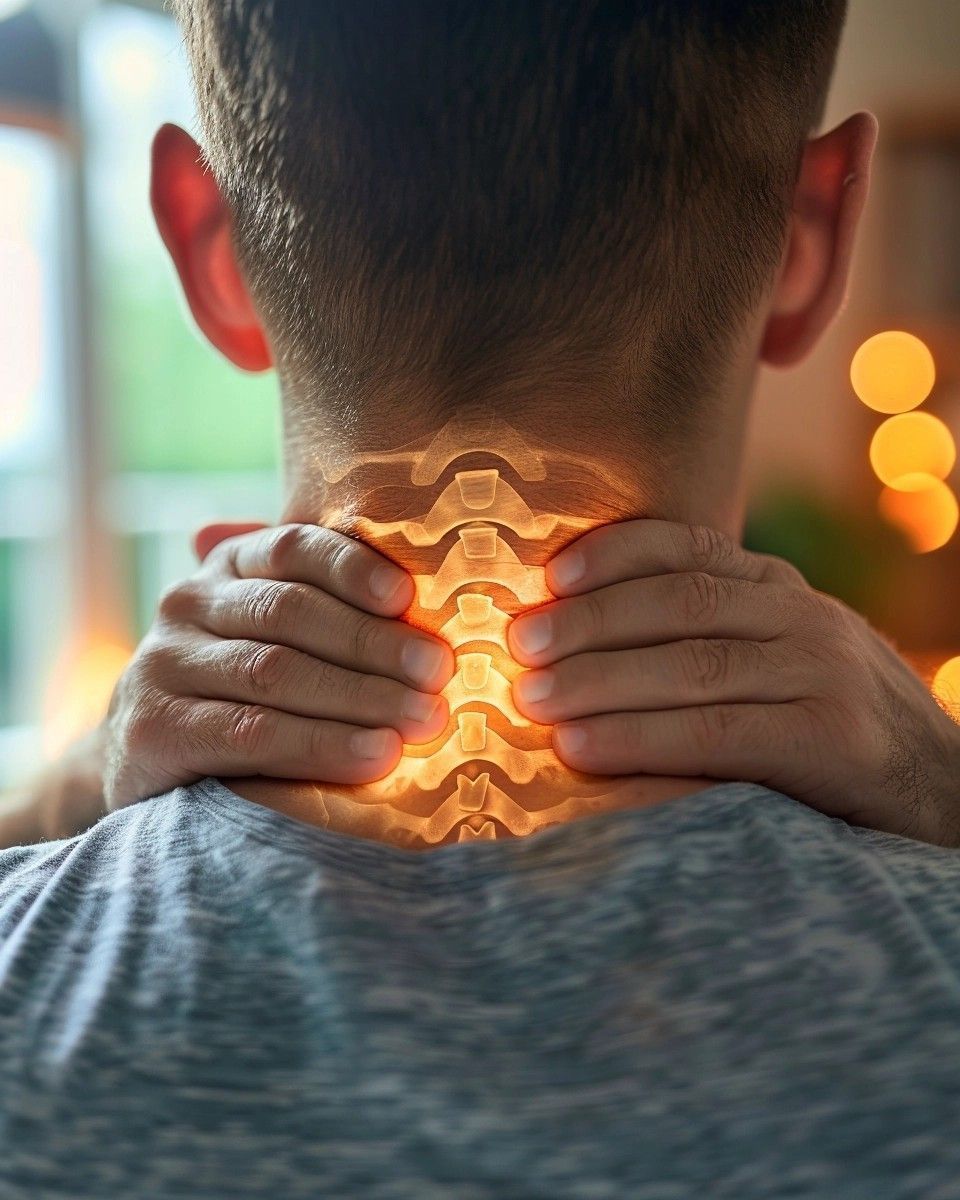
- Musculoskeletal tension: Chronic stress causes muscles to remain in a near-constant state of contraction, particularly in the neck, shoulders, jaw, and lower back. Over time, this creates trigger points, restricted range of motion, and persistent pain.
- Sleep disruption: Elevated cortisol makes it harder to fall asleep and stay asleep, leading to a cycle of exhaustion and increased stress sensitivity.
- Headaches and migraines: Tension-type headaches are one of the most common physical symptoms of stress in adolescents.
- Weakened immune function: Sustained stress suppresses immune response, making teens more susceptible to colds, infections, and slower recovery from illness or injury.
- Digestive problems: The gut-brain connection means that stress can cause nausea, stomach cramps, and changes in appetite.
- Mood instability: Stress hormones interfere with serotonin and dopamine regulation, contributing to anxiety, irritability, and low mood.
When these symptoms persist, they create a feedback loop where physical discomfort increases emotional distress, and emotional distress worsens physical symptoms. Breaking that cycle is exactly where treatments like massage therapy, physiotherapy, and acupuncture become essential.
How Massage Therapy Helps Teens Manage Stress
Massage therapy is far more than a spa indulgence. When performed by a Registered Massage Therapist (RMT), it's a clinical treatment with well-documented effects on the nervous, musculoskeletal, and endocrine systems. Here's how it directly addresses teen stress.
Reduces Cortisol and Stress Hormones
Research published in the International Journal of Neuroscience has shown that massage therapy can reduce cortisol levels by an average of 31%. For teens living in a state of chronic stress, this hormonal shift creates immediate and noticeable relief. Lower cortisol means less anxiety, reduced muscle tension, and a greater sense of calm.
Increases Serotonin and Dopamine
The same studies found that massage increases serotonin by approximately 28% and dopamine by 31%. These neurotransmitters play a critical role in mood regulation, motivation, focus, and emotional resilience. For a teenager struggling with low mood or anxiety, this natural neurochemical boost can be genuinely transformative.
Releases Chronic Muscle Tension
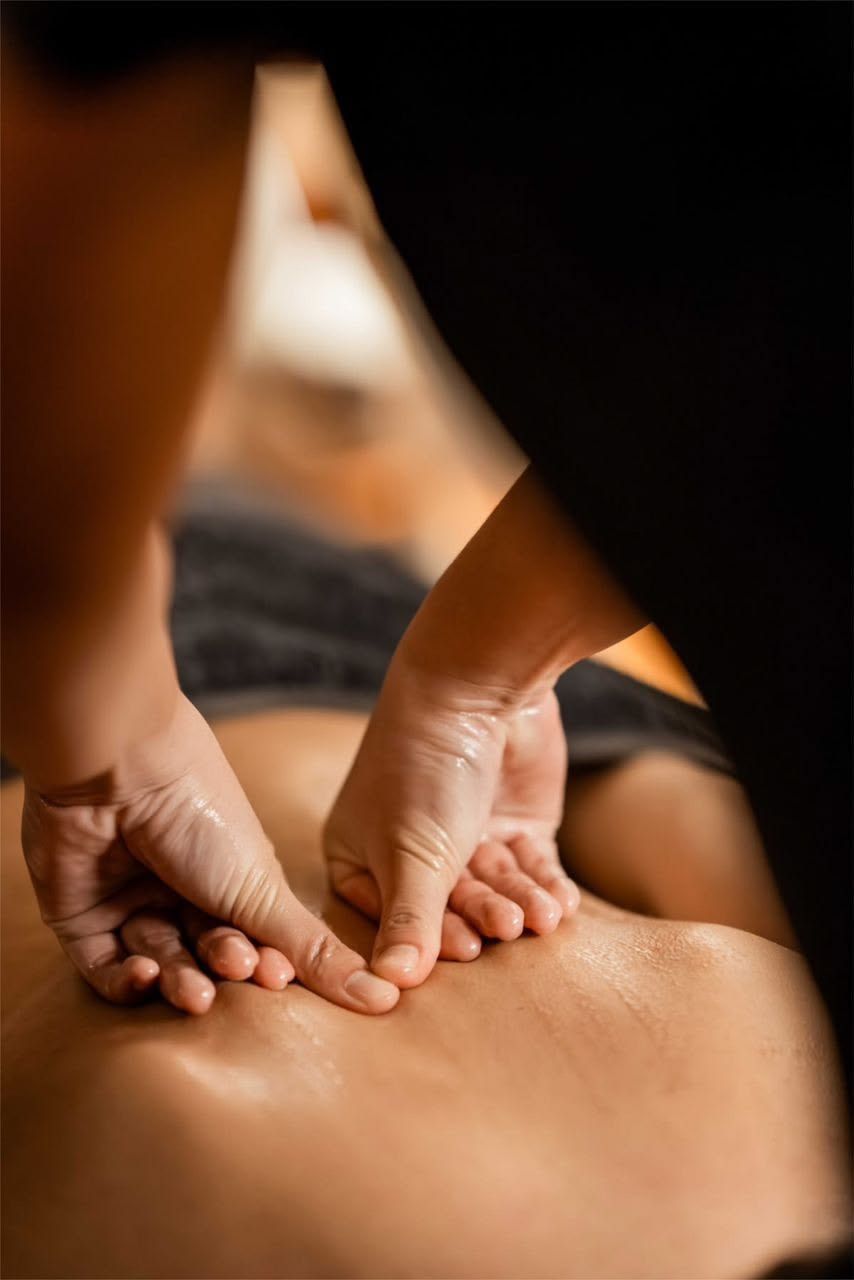
Teens who sit at desks for hours, carry heavy backpacks, or train intensively often develop significant tightness in the neck, shoulders, upper back, and hip flexors. Therapeutic massage loosens these tight muscle groups, breaks down adhesions, and restores healthy blood flow to oxygen-starved tissues. Techniques like myofascial release are particularly effective for releasing deep, stubborn tension patterns.
Improves Sleep Quality
By activating the parasympathetic nervous system (the body's "rest and digest" mode), massage therapy helps teens fall asleep faster and experience deeper, more restorative sleep cycles. Better sleep means better concentration, improved mood, and a stronger ability to handle daily pressures.
Supports Emotional Regulation
The physical act of receiving safe, therapeutic touch in a calm environment helps regulate the autonomic nervous system. For teens who feel overwhelmed, anxious, or emotionally numb, regular massage sessions can help them reconnect with their bodies and develop healthier responses to stress.
Relieves Tension Headaches
Many teens suffer from frequent headaches caused by neck and shoulder tension, poor posture, or jaw clenching. Targeted massage of the suboccipital muscles, upper trapezius, and temporalis can significantly reduce headache frequency and intensity. If TMJ dysfunction is contributing to the problem, your therapist can address the jaw muscles directly.
Which Massage Techniques Work Best for Teens?
Not all massage styles are the same, and the best approach for a teenager depends on their symptoms, comfort level, and treatment goals. Here are the most effective options.
Swedish Massage
This is often the best starting point for teens who are new to massage therapy. It uses long, flowing strokes, gentle kneading, and rhythmic tapping to promote relaxation, improve circulation, and ease general muscle tension. It's especially effective for teens dealing with anxiety, sleep problems, and overall stress.
Deep Tissue Massage
For teens with chronic muscle knots, sports-related tightness, or persistent pain in specific areas, deep tissue massage applies firmer pressure to reach deeper layers of muscle and connective tissue. Your RMT will always adjust pressure based on the teen's tolerance and feedback.
Myofascial Release
Myofascial release targets the fascial system, the thin connective tissue that wraps around every muscle, bone, and organ. When fascia becomes restricted due to stress, poor posture, or repetitive strain, it creates widespread pain and stiffness. This technique uses sustained pressure to gently stretch and release fascial restrictions, providing lasting relief.
Cupping Therapy
Some teens respond well to cupping therapy, which uses suction cups placed on the skin to increase blood flow, reduce inflammation, and release deep muscular tension. It's particularly helpful for teens experiencing upper back and shoulder tightness from prolonged sitting or heavy backpack use.
Sports Massage
For student athletes, sports massage focuses on the specific muscle groups used in their sport. It helps prevent overuse injuries, speeds up recovery after intense training, and improves flexibility and range of motion. If your teen is dealing with a sports injury, combining massage with athletic therapy can accelerate the healing process significantly.
When Massage Therapy Isn't Enough: Complementary Treatments for Teen Stress
Massage therapy is incredibly effective on its own, but some teens benefit from a multidisciplinary approach that addresses their stress from multiple angles. At Rosedale Wellness Centre, we offer a full range of services that complement massage therapy.
Physiotherapy for Posture and Pain
If a teen's stress is compounded by postural issues, chronic pain, or a musculoskeletal condition, physiotherapy can address the underlying biomechanical problems. Physiotherapists use targeted exercises, manual therapy, and education to correct alignment, build strength, and prevent recurring pain. For teens with conditions like scoliosis, physiotherapy is especially important.
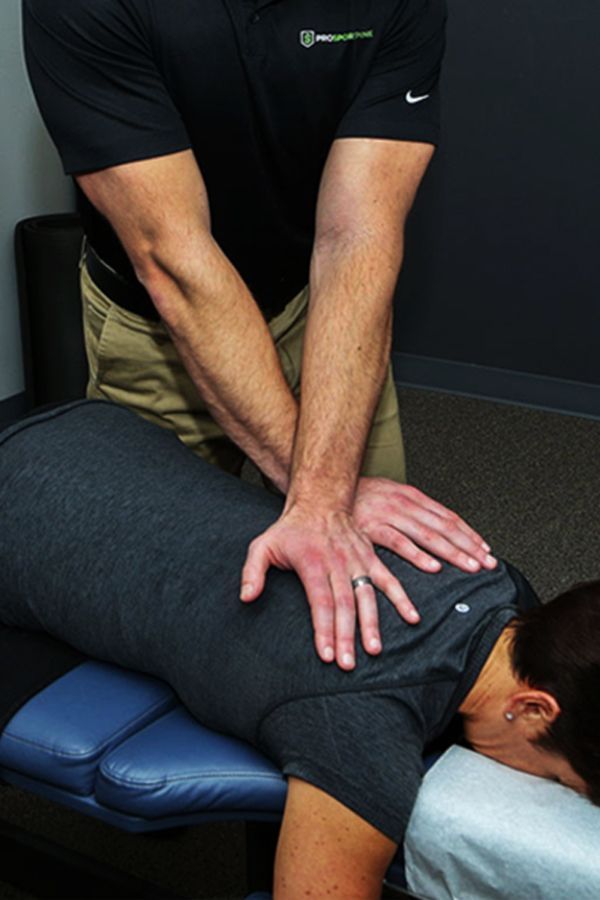
Chiropractic Care for Spinal Health
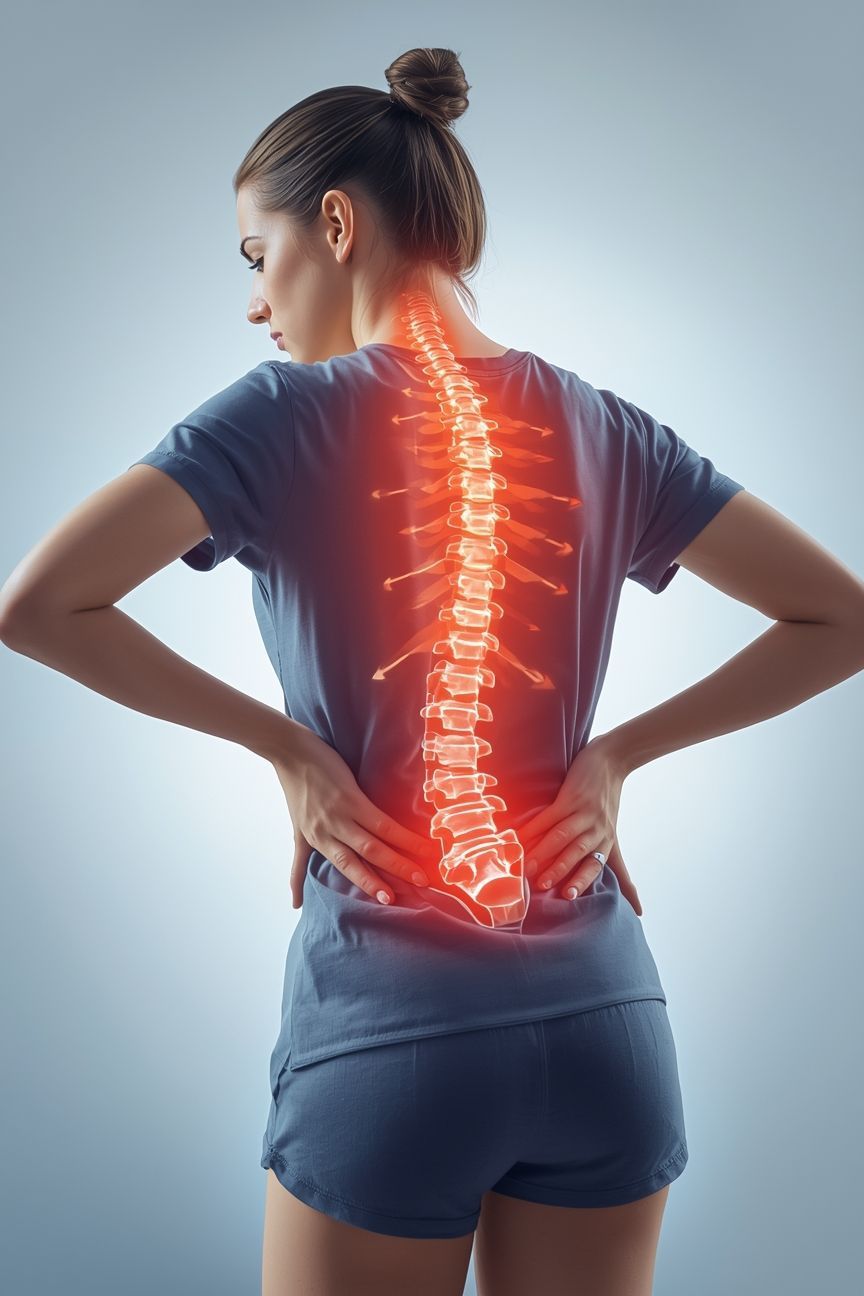
Prolonged sitting, tech neck, and heavy backpacks can misalign the spine and irritate surrounding nerves. A chiropractor in downtown Toronto can perform targeted adjustments to restore proper spinal alignment, reduce nerve irritation, and improve overall nervous system function. For younger patients, our pediatric chiropractic services use gentle, age-appropriate techniques.
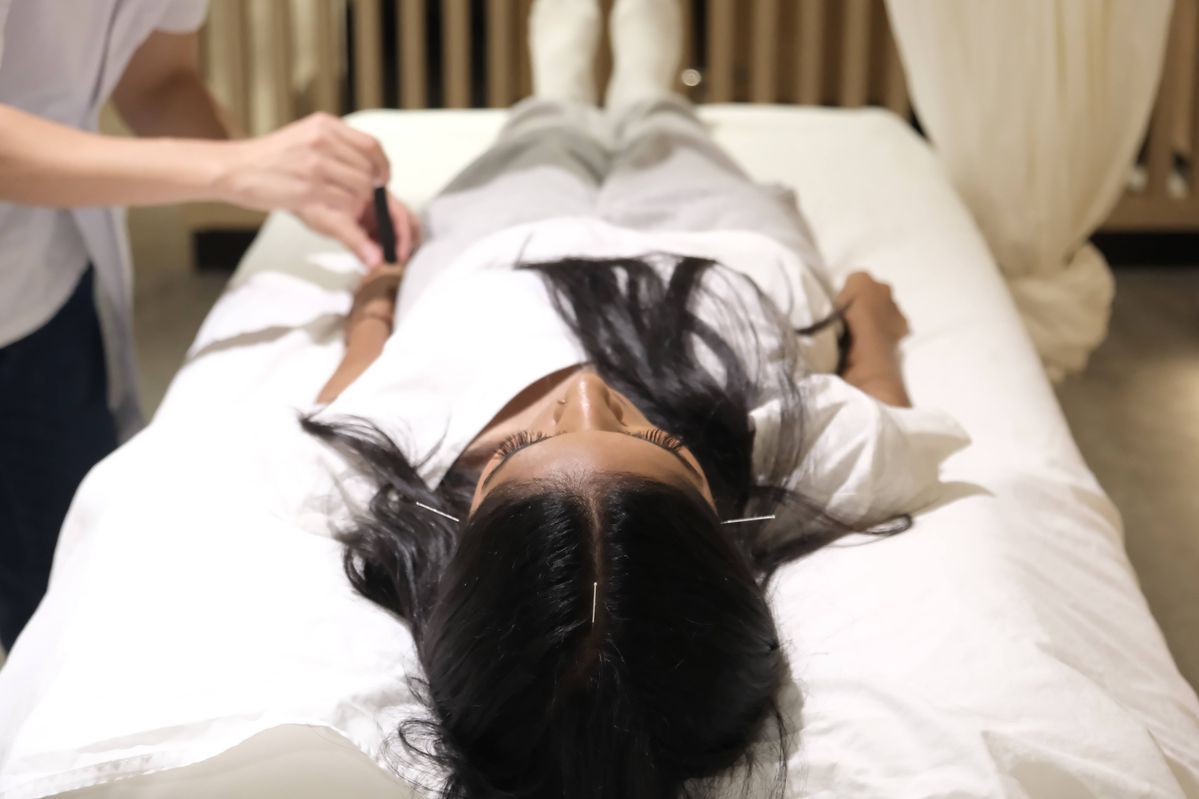
Acupuncture for Anxiety and Sleep
Acupuncture has a strong evidence base for reducing anxiety, improving sleep, and regulating the nervous system. Fine needles placed at specific points stimulate the body's natural pain-relieving and mood-regulating mechanisms. Many teens find it surprisingly comfortable and deeply relaxing.
Dry Needling for Trigger Points
If massage alone isn't resolving stubborn knots or trigger points, dry needling can be an effective complement. This technique uses thin needles inserted directly into trigger points to release tension, increase blood flow, and reduce pain. It's often used alongside massage and physiotherapy for faster results.
Naturopathy for Whole-Body Wellness
Chronic stress depletes the body's nutritional reserves and disrupts hormonal balance. A naturopathic doctor can assess your teen's overall health, identify nutritional deficiencies, recommend dietary changes, and suggest natural supplements that support stress resilience, better sleep, and improved energy.
Osteopathy for Structural Balance
Osteopathy takes a whole-body approach to identifying and treating structural imbalances that contribute to pain and dysfunction. For teens, osteopathic treatment can improve mobility, reduce tension patterns, and support the body's natural ability to heal and self-regulate.
Massage Therapy for Teen Athletes: Beyond Stress Relief
Teen athletes face a dual burden: the emotional stress of competition and academic demands, plus the physical toll of intense training. Massage therapy addresses both.
Pre-Event Preparation
A targeted massage before a game, meet, or competition warms up the muscles, increases flexibility, and improves circulation to the tissues most likely to be stressed during performance. This reduces the risk of strains, sprains, and other acute injuries.
Post-Event Recovery
After intense physical activity, massage speeds up recovery by flushing metabolic waste products from muscle tissue, reducing inflammation, and breaking down micro-adhesions that form during exercise. This means less soreness, faster return to training, and better long-term performance.
Injury Prevention and Rehabilitation
Regular massage helps identify areas of tightness or imbalance before they become injuries. When an injury does occur, massage therapy can be combined with athletic therapy, electrical stimulation, and therapeutic ultrasound for a comprehensive rehabilitation plan.
For student athletes dealing with sports-related spinal concerns, a sports chiropractor can work alongside your massage therapist to ensure the spine and joints are properly aligned for optimal performance and injury prevention.
What to Expect: Your Teen's First Massage Therapy Session
If your teenager has never had a professional massage, it's natural for both of you to have questions. Here's a step-by-step overview of what happens during a first visit at Rosedale Wellness Centre.
- Health intake and consent: Your teen (and a parent or guardian, if under 18) will complete a health history form. This covers any medical conditions, injuries, medications, and areas of concern. Parental consent is required for minors.
- Consultation with the RMT: The Registered Massage Therapist will discuss your teen's symptoms, stress levels, areas of pain or tension, and treatment goals. This conversation helps the therapist choose the right techniques and pressure level.
- The treatment: Your teen will be comfortably draped with sheets throughout the session. Only the area being worked on is exposed. Sessions for teens typically range from 30 to 60 minutes, depending on the treatment plan.
- Post-treatment recommendations: After the session, the RMT may suggest stretches, postural adjustments, hydration tips, or a recommended treatment frequency. They may also recommend complementary therapies if appropriate.
Important note for parents: You're always welcome to stay in the treatment room during your teen's session. Creating a safe, comfortable environment is our top priority.
Signs Your Teenager Could Benefit from Massage Therapy
Sometimes teens won't tell you how stressed they are. Watch for these physical and behavioural signs that suggest massage therapy could help:
- Frequent complaints of headaches, neck pain, or back pain
- Difficulty falling asleep or staying asleep
- Visible tension in the shoulders (hunched or elevated posture)
- Jaw clenching or teeth grinding, especially at night
- Increased irritability, mood swings, or withdrawal
- Decline in academic performance or concentration
- Persistent fatigue despite adequate rest
- Frequent stomach aches or nausea without a clear medical cause
- Reluctance to participate in activities they previously enjoyed
- Overuse injuries or chronic soreness from sports
If your teen is experiencing any of these symptoms, a combination of massage therapy and other evidence-based treatments can make a meaningful difference. For teens with conditions like sciatica and back pain or fibromyalgia, professional care is particularly important.
Building a Long-Term Wellness Plan for Your Teen
Massage therapy works best as part of an ongoing wellness strategy rather than a one-time treatment. Here's how to build a sustainable plan:
- Start with a focused treatment phase: Weekly or biweekly sessions for 4 to 6 weeks help establish a baseline of relief and allow the therapist to understand your teen's specific patterns.
- Transition to maintenance: Once symptoms improve, monthly sessions help maintain the benefits and prevent stress from building up again.
- Add complementary treatments as needed: Your teen's care team may recommend physiotherapy, acupuncture, or naturopathy to address specific concerns that go beyond what massage alone can resolve.
- Support at home: Encourage regular stretching, adequate sleep hygiene, reduced screen time before bed, and open conversations about stress. Your RMT can provide specific home exercises and self-care strategies.
At Rosedale Wellness Centre, we take a collaborative approach. Our team of physiotherapists, chiropractors, registered massage therapists, acupuncturists, and naturopathic doctors work together to ensure every aspect of your teen's health is addressed.
Frequently Asked Questions
Is massage therapy safe for teenagers?
Yes, massage therapy is safe for teenagers when performed by a Registered Massage Therapist (RMT). A qualified therapist will adjust pressure, technique, and session length based on the teen's age, physical development, and comfort level. Parental consent is typically required for minors, and parents are welcome to stay in the room during treatment.
How does massage therapy help teens with anxiety and stress?
Massage therapy reduces cortisol (the body's primary stress hormone) while increasing serotonin and dopamine levels. For teens, this means lower anxiety, improved mood regulation, better sleep quality, and relief from physical symptoms of stress like headaches and muscle tension. Many teens report feeling calmer and more focused after just one session.
How often should a stressed teenager get massage therapy?
For teens dealing with significant stress or anxiety, starting with weekly or biweekly sessions for 4 to 6 weeks is often recommended. Once symptoms improve, monthly maintenance sessions can help sustain the benefits. Your RMT will create a personalized schedule based on the teen's specific needs and how they respond to treatment.
Can massage therapy be combined with other treatments for teen stress?
Absolutely. Massage therapy works well alongside other treatments such as physiotherapy, acupuncture, naturopathy, and even counselling. At Rosedale Wellness Centre, our multidisciplinary team can design an integrated care plan that combines multiple therapies to address the root causes of stress and its physical symptoms.
Help Your Teen Feel Better. Book a Massage Therapy Session Today.
At Rosedale Wellness Centre in downtown Toronto, our Registered Massage Therapists specialize in treating teens and young adults dealing with stress, anxiety, pain, and sports-related tension. We offer same-day appointments, direct billing to most insurance providers, and a warm, welcoming environment where your teen will feel comfortable and cared for.
Call us at 416-975-0499 or book your appointment online to get started. Your teen doesn't have to carry the weight of stress alone.