What Does Cupping Do to Your Body? Benefits, Marks & What to Expect
What Does Cupping Do to Your Body? Benefits, Marks & What to Expect
Millions of Canadians deal with chronic muscle tension, nagging back pain, and slow recovery between workouts. Increasingly, many of them are turning to cupping therapy for relief, and you've probably noticed the telltale circular marks on a friend's back or an athlete's shoulders during the Olympics.
So what does cupping do to your body, exactly? Why does it leave those distinctive marks? And is it actually worth trying?
This guide breaks down how cupping therapy works, what the research says about its benefits, what those coloured marks really mean, and what a typical session looks like at a professional clinic. Whether you're a competitive athlete, a desk-bound professional, or someone managing persistent pain, you'll find practical answers here.
What Does Cupping Do to Your Body?
Cupping therapy uses suction cups placed on the skin to create a controlled area of negative pressure. Instead of pushing into tissue the way traditional massage does, cupping lifts the skin, fascia, and superficial muscle layers upward into the cup. This decompression effect is the key to understanding what cupping does to your body.
Here's what happens beneath the surface when cups are applied:
- Increased local blood circulation. The suction draws fresh, oxygen-rich blood into the area, which accelerates the delivery of nutrients to tired or damaged tissues.
- Fascial release. The connective tissue (fascia) that wraps around your muscles can become stiff, sticky, or restricted over time. Cupping lifts and separates these tissue layers, reducing adhesions and improving movement.
- Lymphatic stimulation. By increasing fluid movement in the treated area, cupping supports the body's natural process of clearing metabolic waste and reducing local swelling.
- Nervous system relaxation. Many patients report a deep sense of calm during and after treatment. The sustained gentle stretch on soft tissue can activate the parasympathetic nervous system, shifting your body from a "fight or flight" state toward rest and recovery.
- Soft tissue decompression. This is sometimes called myofascial decompression in clinical settings. Rather than compressing tissue, the negative pressure creates space between tissue layers, which can reduce pressure on nerves and improve range of motion.
Think of it this way: if a deep tissue massage is like kneading bread dough from above, cupping is like gently pulling the dough apart from beneath. Both approaches affect the same tissues, but from opposite directions, and the combination can be especially effective.
How Cupping Therapy Works on Muscles and Soft Tissue
To really understand the benefits of cupping massage, it helps to look at what's happening at the tissue level. The mechanism isn't magic; it's mechanical and physiological.
Negative Pressure and Tissue Separation
When a cup is applied, the suction creates negative pressure that ranges from gentle to firm, depending on the technique and the patient's tolerance. This negative pressure lifts the skin and the layers of fascia and muscle beneath it. For people whose tissues have become "glued together" from repetitive motion, poor posture, or inactivity, this separation can feel immediately freeing.
Blood Flow and the Healing Response
The increased blood flow to the cupped area isn't just about warmth or redness. Fresh blood carries oxygen, platelets, and immune cells that support tissue repair. Research suggests that cupping may promote the release of nitric oxide, a molecule that helps dilate blood vessels and improve local circulation. This is one reason cupping is increasingly used alongside physiotherapy and massage therapy in Toronto for injury recovery.
Trigger Points and Muscle Knots
Trigger points are hyperirritable spots within a taut band of muscle. They're the "knots" you feel in your upper traps or along your spine. Cupping applied over trigger points helps increase blood flow to these oxygen-deprived areas and may reduce the sustained muscle contraction that keeps the knot active. Many registered massage therapists combine cupping with direct manual pressure for a more thorough release.
Inflammation and Recovery After Physical Activity
Exercise creates controlled micro-damage in muscle fibres, which is a normal part of getting stronger. But when inflammation lingers or recovery stalls, performance suffers. Cupping therapy may help modulate the local inflammatory response by encouraging lymphatic drainage and bringing fresh blood to the area. This is why you'll see cupping for athletes used as part of post-training recovery routines, from Olympic swimmers to weekend basketball players.
Mobility Improvements
Restricted fascia limits the range of motion. If you can't fully rotate your shoulder or your lower back feels "stuck," fascial adhesions could be part of the problem. By decompressing these tissue layers, cupping can improve joint mobility and make subsequent stretching or exercise more effective. Clinicians at multidisciplinary clinics often pair cupping with therapeutic exercise, and many patients also work with athletic therapists in Toronto to support recovery and improve mobility.
Types of Cupping Therapy
Not all cupping looks the same. The type your practitioner uses depends on your condition, treatment goals, and personal comfort level. Here are the most common forms you'll encounter.
Dry Cupping
Dry cupping is the most widely practised form in North America. Cups are placed on the skin, and suction is created using a hand pump or by squeezing the cup itself. No incisions or bleeding are involved. The cups remain in place for 5 to 15 minutes, depending on the treatment area and the patient's response.
Best for: General muscle tension, back pain, neck stiffness, recovery support.
What to expect:
A pulling or tightening sensation that most patients describe as comfortable, similar to a firm stretch.
Fire Cupping
Fire cupping is the traditional technique you may have seen in photos of Chinese medicine clinics. A cotton ball soaked in alcohol is briefly lit and placed inside a glass cup. The flame consumes the oxygen, creating a vacuum. The cup is then quickly placed on the skin. The fire never touches the patient; it only serves to create suction.
Best for:
Patients who prefer traditional methods; deep muscle tension; practitioners trained in Traditional Chinese Medicine (TCM).
What to expect: A warm, firm pull. Fire cupping tends to create strong suction, so it may produce more visible marks than other methods.
Silicone Cupping
Silicone cups are soft, flexible, and squeezed by hand to create suction. They don't require pumps or flame, and the amount of suction is easy to control. This makes them a popular choice for sensitive areas, first-time patients, and home-care follow-up.
Best for: Beginners, patients with sensitive skin, lighter treatment, self-care between professional sessions.
What to expect: A gentler pulling sensation. Marks tend to be lighter and fade faster.
Massage Cupping (Gliding Cupping)
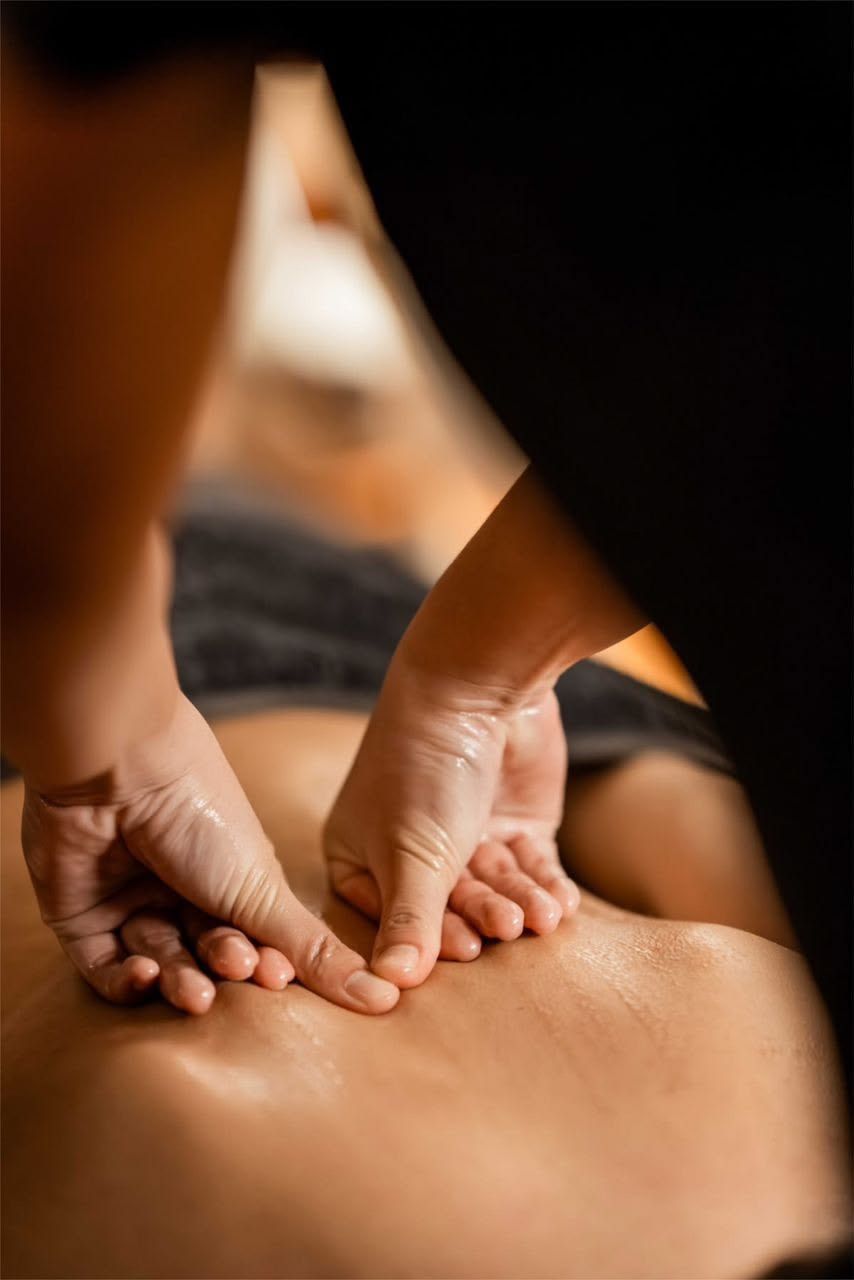
In massage cupping therapy, oil is applied to the skin and the cup is moved along the muscle in slow, gliding strokes rather than left in a fixed position. This technique combines the benefits of cupping massage with the fluid motion of traditional massage.
Best for: Broad areas like the back and thighs, myofascial release, athletes, and patients who prefer dynamic treatment.
What to expect: A sliding, pulling sensation. Marks are often more diffuse and lighter than with stationary cupping.
Wet Cupping
Wet cupping involves making small, controlled incisions in the skin after an initial round of dry cupping, then reapplying the cups to draw out a small amount of blood. This technique has deep roots in Middle Eastern and Islamic traditional medicine (known as hijama). It's less commonly offered in Canadian clinical settings and is regulated differently across provinces.
Best for:
Specific traditional medicine protocols under trained practitioners.
What to expect:
A sensation similar to dry cupping, with mild pinprick sensations during the incision phase. Strict hygiene protocols are essential.
Cupping Therapy Benefits
The cupping therapy benefits that patients and clinicians report most consistently include:
- Muscle tension relief. Cupping helps release chronic tightness in areas like the upper trapezius, lower back, and hip flexors, areas that tend to hold tension from sitting, training, or stress.
- Improved mobility and flexibility. By separating fascial layers and reducing adhesions, cupping often allows a greater range of motion immediately after treatment.
- Reduced stiffness. Morning stiffness, post-workout stiffness, and the "locked up" feeling in the mid-back commonly respond well to cupping.
- Recovery support for athletes. Cupping is used as part of sports recovery therapy programs to reduce delayed onset muscle soreness (DOMS) and speed up return to training.
- Stress reduction. The parasympathetic activation triggered by sustained suction can lower cortisol levels and promote relaxation, even for people whose primary complaint isn't pain.
- Back pain relief. A 2018 systematic review in the Journal of Back and Musculoskeletal Rehabilitation found that cupping therapy showed positive effects on non-specific low back pain when used alone or alongside conventional treatment.
- Neck and shoulder tension relief. Cupping for back pain and cupping for neck pain are among the most common clinical applications, particularly for patients with postural dysfunction.
- Improved local circulation. The visible redness after cupping reflects genuine increases in blood flow to the treated tissue.
- Myofascial release. Clinicians increasingly refer to cupping as myofascial decompression, reflecting its ability to address fascial restrictions without compression. You can learn more about related techniques on our myofascial release therapy page.
A note on evidence: While many patients report significant relief from cupping, it's honest to say that research is still evolving. Most clinical studies are small or moderate in size, and more high-quality randomized controlled trials are needed. That said, cupping is used in several traditional medicine systems and is offered in some integrative healthcare settings worldwide.
Cupping for Back Pain, Athletes & Desk Workers
Cupping isn't a one-size-fits-all therapy, but it has found strong footing among a few specific groups. Here's how it applies to real-life scenarios, especially for people living and working in Toronto.
Athletes and Sports Recovery
From runners training along the Lakeshore to hockey players skating out of Mattamy Athletic Centre, Toronto athletes put serious demands on their bodies. Cupping for athletes works by accelerating recovery between training sessions, reducing muscle soreness, and addressing the fascial restrictions that develop with repetitive movement patterns.
Many athletes integrate cupping into a broader recovery plan that includes sports massage, athletic therapy, and active rehabilitation. The goal isn't to replace these modalities but to enhance their effects.
Office Workers with Posture-Related Tension
If you spend eight or more hours a day at a desk in a Financial District office tower or a Yorkville co-working space, your upper back and neck are carrying tension you might not even notice until the end of the week. The forward head posture and rounded shoulders that come with prolonged screen time create chronic fascial restrictions in the upper trapezius, levator scapulae, and thoracic spine.
Cupping applied to these areas can provide meaningful relief. Many patients describe a sense of "opening up" in the chest and upper back after treatment, making it easier to sit with better alignment.
Chronic Neck and Back Pain
For people dealing with persistent low back or neck pain, cupping is rarely a standalone solution, but it can be a valuable part of a treatment plan. It pairs well with physiotherapy, chiropractic adjustments, and targeted exercise. The decompression effect can make it easier to perform rehabilitation exercises by temporarily reducing pain and stiffness.
Gym Recovery and Repetitive Strain
Regular gym-goers, CrossFit athletes, and recreational lifters commonly develop fascial adhesions and trigger points from high-volume training. Cupping after a heavy squat session, for example, can help reduce soreness in the quads, glutes, and lower back. It's also useful for repetitive strain injuries in the forearms and shoulders that come from activities like climbing, rowing, or racquet sports.
Stress-Related Muscle Tension
Not all muscle tension has a physical cause. Chronic stress, poor sleep, and anxiety can keep your muscles in a constant state of low-grade contraction, especially around the jaw, neck, and shoulders. Cupping's effect on the parasympathetic nervous system makes it a useful tool for people whose tension is partly driven by stress, not just activity.
Cupping Marks Meaning: What the Colours Can Tell You
Let's address the elephant in the room. Those circular marks are the first thing most people notice, and the first thing they ask about. Here's what you need to know: cupping marks are not bruises in the traditional sense. A bruise results from traumatic impact that damages capillaries. Cupping marks result from blood being drawn to the surface of the skin through controlled suction. The distinction matters because it affects how they heal and what they indicate.
The colour of cupping marks can vary significantly from person to person and even from one area of the body to another during the same session. While traditional Chinese medicine assigns specific diagnostic meaning to these colours, here is a general, evidence-informed guide:
| Mark Colour | What It May Indicate | Typical Fade Time |
|---|---|---|
| Light pink | Good local circulation; minimal tissue congestion. Common in areas with less tension or in patients receiving regular treatment. | A few hours to 1 day |
| Bright red | Active blood flow drawn to the surface; fresh circulation. Often seen in healthy, well-hydrated tissue responding normally to suction. | 1 to 3 days |
| Dark red | Moderate tissue congestion or stagnation in the area. May suggest chronic tension or restricted blood flow prior to treatment. | 3 to 5 days |
| Purple | Significant local stagnation. Common in areas of chronic tightness, old injuries, or tissue that hasn't received adequate circulation. Often seen in patients receiving cupping for the first time. | 5 to 10 days |
| Brownish or very dark | Long-standing congestion; older metabolic waste products in the tissue. May indicate areas that have been restricted for an extended period. | 7 to 14 days |
| Minimal or no marks | Good tissue health and circulation in the treated area. This is common in people who receive cupping regularly or who have well-maintained soft tissue. | N/A |
Why marks vary: Factors like hydration level, skin sensitivity, suction strength, duration of cup placement, individual circulation, and the condition of underlying tissue all influence mark colour and duration. Two patients receiving identical treatment can have very different marks.
Are cupping marks dangerous? No. They are a normal, expected response to treatment. They don't require special care and will resolve on their own. If marks are accompanied by blistering, severe pain, or signs of infection (which is extremely rare with proper technique), contact your healthcare provider.
What to Expect During a Cupping Therapy Session
If you've never had cupping before, knowing what to expect removes most of the apprehension. Here's a typical session at a professional clinic.
Initial Consultation and Assessment
Your practitioner will begin with a health history review and a physical assessment. They'll ask about your current complaints, medical history, medications, and treatment goals. This step ensures cupping is appropriate for you and helps the therapist select the right technique, suction level, and treatment areas.
Preparation and Cup Placement
You'll be asked to expose the treatment area (most commonly the back, shoulders, or legs). The therapist may apply a light oil to the skin, particularly if gliding cupping will be used. Cups are then placed strategically over the muscles and regions identified during the assessment.
Sensations During Treatment
Most patients describe the sensation as a firm pulling or tightening of the skin, similar to a deep stretch. It should feel strong but not painful. If any cup feels too intense, tell your therapist immediately; suction can be adjusted in seconds. Some people find the sensation deeply relaxing and even fall asleep during treatment.
Duration
Cups typically remain in place for 5 to 15 minutes. The entire appointment, including assessment and aftercare guidance, usually runs 30 to 60 minutes, depending on the scope of treatment and whether cupping is combined with other modalities like massage therapy or acupuncture.
Aftercare and Recovery
After the cups are removed, your therapist will likely recommend:
- Hydration. Drink plenty of water in the 24 hours following treatment to support lymphatic drainage and flush metabolic waste.
- Avoiding extreme temperatures. Skip the sauna, ice bath, or very hot shower for 4 to 6 hours after cupping.
- Gentle movement. Light stretching or walking is beneficial. Avoid intense training for 24 hours.
- Monitoring marks. Marks are normal. Keep the area clean and let them fade naturally.
Most patients feel a combination of lightness, reduced tension, and mild fatigue after their first session. Subsequent sessions tend to produce lighter marks and even greater ease of movement as tissue health improves over time.
Who Is Cupping Therapy Best For?
Cupping can benefit a wide range of people, but it tends to be most effective for:
- Athletes and active adults who need faster recovery and better tissue health between training sessions.
- Office workers and professionals are dealing with posture-related tension in the neck, upper back, and shoulders.
- People with chronic muscle tightness that hasn't responded fully to stretching or standard massage alone.
- Patients managing chronic pain conditions like non-specific low back pain, fibromyalgia, or tension headaches often as part of a broader treatment plan.
- Individuals recovering from intense workouts who want to reduce delayed onset muscle soreness and maintain training consistency.
- People combining therapies. Cupping pairs particularly well with massage therapy, physiotherapy, acupuncture, and chiropractic care. It's not an "either/or" treatment; it's often most effective when integrated into a multidisciplinary approach to rehabilitation and wellness.
Is Cupping Therapy Safe?
When performed by a trained, licensed practitioner, cupping therapy is considered safe for most adults. However, like any therapy, it comes with a few considerations.
Common Side Effects
- Circular marks. Expected and temporary (see the colour chart above).
- Mild soreness. Similar to the feeling after a deep tissue massage. Usually resolves within 24 to 48 hours.
- Temporary skin sensitivity. The treated area may feel warm or tender to the touch for a day or two.
- Light-headedness. Rare, but some patients feel briefly dizzy after treatment, especially during the first session. Staying hydrated and eating beforehand helps prevent this.
When to Avoid Cupping
Cupping may not be appropriate if you:
- Are pregnant (certain areas should be avoided; consult your practitioner).
- Have a bleeding disorder or take blood-thinning medication.
- Have active skin conditions, open wounds, or sunburn in the treatment area.
- Have a history of deep vein thrombosis (DVT).
- Are currently experiencing a fever or acute illness.
Always disclose your full medical history to your practitioner before treatment. A qualified therapist will conduct a thorough intake to determine whether cupping is suitable for you.
Professional Standards and Hygiene
At a reputable clinic, single-use or properly sterilized cups are standard. Practitioners should be licensed healthcare professionals (registered massage therapists, chiropractors, acupuncturists, or physiotherapists) with specific training in cupping techniques. Don't hesitate to ask about your practitioner's credentials and hygiene protocols.
Choosing Cupping Therapy in Toronto
Toronto has no shortage of clinics offering cupping, but not all cupping experiences are equal. Here's what to look for when choosing a provider for cupping therapy in Toronto.
Why a Multidisciplinary Clinic Matters
Cupping works best as part of a broader treatment plan, not as a standalone fix. Clinics that combine cupping with massage therapy, physiotherapy, chiropractic care, and active rehabilitation can address the root cause of your pain rather than just the symptoms. If your back pain stems from a herniated disc, for example, cupping can help manage the muscle spasm around it, but you'll also need a targeted rehab program to prevent recurrence.
Personalized Treatment Plans
Your body isn't the same as anyone else's. A good clinic will assess your individual needs, consider your health history, and adjust the type of cupping, suction intensity, and treatment frequency accordingly. Cookie-cutter protocols rarely produce the best outcomes.
Convenience and Accessibility
For many Torontonians, fitting healthcare into a packed schedule is the biggest barrier. A clinic located centrally in Downtown Toronto with extended hours, same-day availability, and direct insurance billing removes excuses and makes consistent treatment possible.
Evidence-Based Wellness Care
Look for a clinic whose practitioners stay current with research and integrate cupping thoughtfully into evidence-informed treatment plans. Cupping shouldn't be presented as a cure-all; it should be recommended when the clinical picture supports it.
At Rosedale Wellness Centre, cupping therapy is offered by licensed chiropractors and is integrated within a full spectrum of rehabilitation and wellness services, including registered massage therapy, physiotherapy, acupuncture, and athletic therapy. The clinic is located at Bloor and Church in the heart of Downtown Toronto, with same-day appointments, extended weekday hours, and direct insurance billing.
Frequently Asked Questions About Cupping Therapy
What does cupping do to your body?
Cupping creates suction on the skin that lifts and decompresses soft tissue, including fascia and muscle. This increases local blood circulation, promotes lymphatic drainage, releases fascial adhesions, and encourages nervous system relaxation. The result is reduced muscle tension, improved mobility, and support for the body's natural recovery processes.
Are cupping marks dangerous?
No. Cupping marks are not bruises caused by trauma. They result from blood being drawn to the skin's surface through suction. They are painless, temporary, and a normal response to treatment. Marks typically fade within 3 to 10 days, depending on their colour and the individual's circulation.
How long do cupping marks last?
Light pink marks may fade within hours. Darker purple or brownish marks can take 7 to 14 days to fully resolve. Most patients see marks fade within a week. Hydration, circulation, and skin type all affect how quickly they disappear.
Does cupping therapy hurt?
Most patients describe cupping as a firm pulling or stretching sensation rather than pain. The intensity is adjustable, and your therapist will check your comfort level throughout the session. Some mild soreness, similar to what you'd feel after a deep tissue massage, is normal in the 24 hours following treatment.
Is cupping good for back pain?
Research and clinical experience suggest that cupping can be beneficial for non-specific low back pain, either as a standalone treatment or combined with other therapies like physiotherapy and massage. It helps by increasing blood flow, releasing fascial restrictions, and reducing muscle spasm in the affected area.
Can athletes benefit from cupping?
Yes. Cupping for athletes is widely used for post-training recovery, reducing delayed onset muscle soreness (DOMS), and maintaining tissue health. It's a popular component of sports recovery therapy programs at professional and recreational levels.
How often should you do cupping therapy?
Frequency depends on your condition and goals. For acute issues, weekly sessions for 3 to 4 weeks are common. For maintenance and ongoing recovery support, many patients benefit from sessions every 2 to 4 weeks. Your practitioner will recommend a schedule based on your individual assessment.
Is cupping covered by insurance in Ontario?
Cupping therapy performed by a registered healthcare professional (such as a chiropractor, registered massage therapist, or physiotherapist) may be covered under extended health benefits. Coverage depends on your specific insurance plan and provider. Rosedale Wellness Centre offers direct billing to most major insurance companies, making it easy to use your benefits.
Take the Next Step Toward Better Recovery
Cupping therapy has earned its place in modern rehabilitation and wellness care for a reason: it works with your body's own systems to reduce tension, improve circulation, and support recovery. Whether you're dealing with chronic back pain, training for your next race, or just trying to undo the damage from another 50-hour work week, cupping offers a practical, evidence-informed option worth exploring.
If you're ready to experience what cupping can do for your body, the team at Rosedale Wellness Centre is here to help. Book a same-day appointment for cupping therapy in Toronto or call (416) 975-0499 to speak with our team. We're located at 120 Bloor St E #105, conveniently in the heart of Downtown Toronto, and we offer direct insurance billing so you can focus on feeling better, not paperwork.