Acupuncture for Back Pain: How It Works, What to Expect & Does It Really Help?
Acupuncture for Back Pain: How It Works, What to Expect & Does It Really Help?
Back pain has a way of affecting everything. Sitting at your desk becomes uncomfortable. Picking up groceries turns into a careful negotiation with your lower spine. Sleep gets interrupted. Even your mood takes a hit when persistent soreness follows you through the day.
If you've been dealing with back pain for weeks, months, or even years, you're not alone. It's one of the most common reasons Canadians visit healthcare providers, and it's a leading cause of missed work and reduced quality of life. Many people cycle through over-the-counter painkillers, try different sleeping positions, or push through it until the pain becomes too much to ignore.
Acupuncture for back pain offers a different path. It's a non-invasive, evidence-supported treatment that targets pain at its source, and it's been used for thousands of years. Modern clinical research continues to back up what practitioners of traditional Chinese medicine have long observed: acupuncture can meaningfully reduce pain, improve mobility, and support recovery without medication or surgery.
This article breaks down how acupuncture works for back pain, what the science actually says, what a typical session looks like, and how to know if it's the right option for you.
Key Takeaways
- Acupuncture is supported by clinical evidence as a treatment for multiple types of back pain, including chronic low back pain, sciatica, and muscle tension.
- It works through measurable mechanisms such as endorphin release, nervous system regulation, and improved blood circulation.
- Most patients need multiple sessions to see lasting results, though many notice improvements after just one or two treatments.
- Acupuncture benefits extend beyond pain relief, often helping with stress, sleep quality, and overall nervous system function.
- Combining acupuncture with physiotherapy and massage therapy often produces stronger, longer-lasting outcomes.
What Is Acupuncture?
Acupuncture is a therapeutic technique that involves inserting very thin, sterile needles into specific points on the body. It originated in traditional Chinese medicine (TCM), where it's based on the concept that energy, called Qi (pronounced "chee"), flows through pathways known as meridians. According to TCM theory, pain and illness occur when this flow is disrupted. Acupuncture aims to restore balance by stimulating specific points along these meridians.
Modern clinical acupuncture takes a more anatomy-focused approach. Practitioners select acupuncture points based on their relationship to nerves, muscles, and connective tissue. Stimulating these points triggers measurable physiological responses: increased blood flow, release of natural pain-relieving chemicals, and reduced muscle tension.
The needles themselves are extremely fine, much thinner than the needles used for injections or blood draws. Most patients describe the sensation as a mild tingling, a dull ache, or a feeling of warmth. Some people barely feel the needles at all.
It's worth understanding that acupuncture isn't a one-size-fits-all treatment. A registered acupuncturist will assess your specific condition, pain patterns, and health history before designing a treatment plan tailored to your needs. The number of needles used, their placement, and the duration of the session all depend on what's causing your pain and how your body responds.
The Science Behind Acupuncture for Pain Relief
So, does acupuncture work for back pain? The short answer is yes, and there's a growing body of evidence to support it. Here's what happens in your body when acupuncture needles are placed:
Gate Control Theory
One widely accepted explanation is the Gate Control Theory of pain. This theory proposes that stimulating certain nerve fibres can essentially "close the gate" on pain signals travelling to the brain. Acupuncture needles activate these nerve fibres, which may block or reduce the perception of pain. Think of it as your nervous system redirecting its attention away from the pain signal.
Endorphin Release
Acupuncture has been shown to trigger the release of endorphins, your body's natural painkillers. These chemicals bind to opioid receptors in the brain and spinal cord, producing analgesic effects similar to pain medications but without the side effects or risk of dependency.
Nervous System Regulation
Needle stimulation activates the parasympathetic nervous system, the branch responsible for rest and recovery. This helps shift the body out of a stress-driven, inflammatory state and into a mode that supports healing. For patients whose back pain is worsened by chronic stress, this regulatory effect can be particularly meaningful.
Blood Circulation Improvements
Acupuncture increases local blood flow to the areas being treated. Better circulation means more oxygen and nutrients reaching damaged or tense tissues, which can speed up recovery and reduce inflammation around injured structures in the spine.
Muscle Relaxation
Tight muscles often contribute to or worsen back pain. Acupuncture can help release muscular tension by stimulating motor points, the areas where nerves meet muscle tissue. This relaxation response can provide both immediate and cumulative relief over multiple sessions.
A landmark 2012 meta-analysis published in the Archives of Internal Medicine, which pooled data from nearly 18,000 patients across 29 randomized controlled trials, concluded that acupuncture is effective for treating chronic pain conditions, including back pain, and that its effects are more than placebo (Vickers et al., 2012). More recently, a 2017 systematic review published in the Journal of Pain confirmed that acupuncture produces clinically meaningful reductions in chronic pain that persist over time (Vickers et al., 2017).
Clinical guidelines from organizations like the American College of Physicians now recommend acupuncture as a first-line treatment option for chronic low back pain before resorting to medications.
Types of Back Pain Acupuncture Can Help Treat
Not all back pain is the same, and acupuncture can be applied to a range of conditions affecting the spine, muscles, and surrounding structures.
Sciatica
Sciatica involves pain that radiates from the lower back down through the buttock and leg, often caused by compression or irritation of the sciatic nerve. Acupuncture can help reduce inflammation around the nerve, relax surrounding muscles that may be contributing to compression, and modulate pain signals travelling along the nerve pathway.
Herniated Discs
A herniated disc occurs when the soft material inside a spinal disc pushes through a crack in the outer layer, potentially pressing on nearby nerves. While acupuncture doesn't repair the disc itself, it can reduce the muscle spasm, inflammation, and nerve irritation that make herniated disc pain so debilitating. Many patients find it helps them manage symptoms while the disc heals or while they pursue other treatments.
Muscle Strain and Tension
Acute muscle strains from lifting, twisting, or sudden movements are among the most common causes of back pain. Acupuncture promotes blood flow to injured muscle fibres, helps relax compensatory tightness in surrounding muscles, and accelerates the body's natural healing process.
Postural Back Pain
Hours of sitting at a desk, looking down at a phone, or standing in one position can create chronic postural strain. This type of pain tends to settle in the upper back, shoulders, and lower lumbar region. Acupuncture addresses the muscular tension and trigger points that develop from sustained poor posture, often providing noticeable relief after just a few sessions.
Degenerative Disc Conditions
As we age, spinal discs lose hydration and flexibility, which can lead to stiffness, reduced range of motion, and pain. Acupuncture won't reverse disc degeneration, but it can help manage the pain and stiffness associated with it. By improving blood flow and reducing muscle guarding around affected segments, acupuncture supports better day-to-day comfort and mobility.
Stress-Related Muscle Tightness
Chronic stress keeps your muscles in a state of low-grade contraction, particularly in the neck, shoulders, and lower back. Over time, this tension becomes a source of pain on its own. Acupuncture targets both the physical tension and the underlying nervous system patterns that drive it, making it a particularly effective option for stress-related back pain.
What Happens During an Acupuncture Session for Back Pain?
Knowing what to expect can make your first acupuncture session far less intimidating. Here's a step-by-step walkthrough of a typical appointment:
Consultation and Assessment
Your acupuncturist will begin by asking about your back pain: where it is, when it started, what makes it better or worse, and how it affects your daily activities. They'll also review your medical history, medications, and any imaging results you may have (X-rays, MRIs). This conversation helps them understand the root cause of your pain, not just the symptoms.
Treatment Planning
Based on the assessment, your practitioner will develop an individualized treatment plan. This includes selecting specific acupuncture points, deciding how many needles to use, and determining the appropriate session length. Your plan may also include complementary techniques like cupping or electroacupuncture, depending on your condition.
Needle Placement
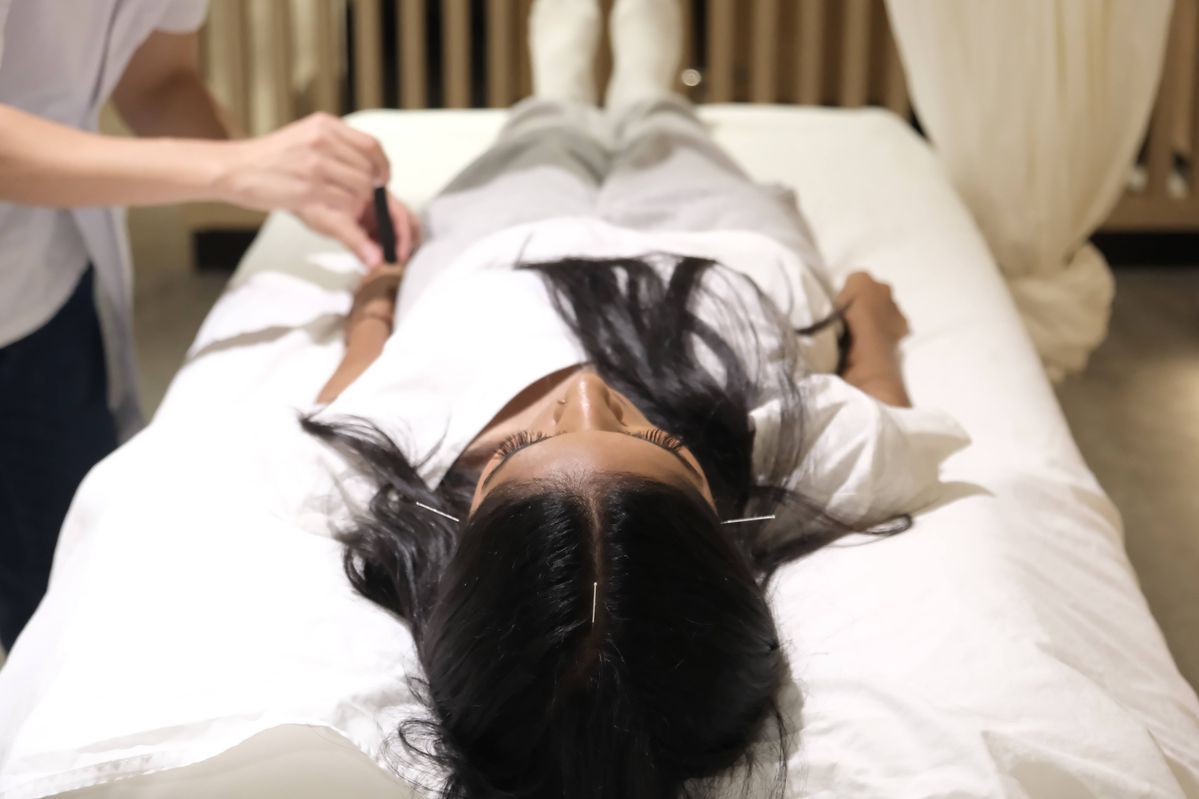
You'll be asked to lie in a comfortable position, usually face down for back pain treatment. The acupuncturist will clean the skin and insert needles at the selected points. The needles are single-use, pre-sterilized, and incredibly thin. Most people feel a brief pinch or nothing at all during insertion.
Sensations During Treatment
Once the needles are in place, you may experience sensations described as warmth, tingling, heaviness, or a dull ache around the needle sites. In TCM, this is known as "De Qi" and is considered a sign that the treatment is engaging the body's healing response. Many patients find these sensations surprisingly relaxing.
Session Length
Needles are typically left in place for 15 to 30 minutes. During this time, most people relax deeply, and some even fall asleep. The entire appointment, including consultation, usually lasts between 45 and 60 minutes for an initial visit and 30 to 45 minutes for follow-up sessions.
Aftercare
After the needles are removed, your acupuncturist may recommend drinking plenty of water, avoiding strenuous activity for the rest of the day, and applying heat to the treated area if needed. Some patients feel immediate relief, while others notice gradual improvements over the following 24 to 48 hours. Mild fatigue or a sense of deep relaxation after a session is completely normal.
If you're nervous about needles, know that acupuncture needles bear almost no resemblance to the ones used at a doctor's office. They're hair-thin, flexible, and designed to slip into the skin with minimal sensation. Most patients are surprised by how comfortable the experience actually is.
How Many Acupuncture Sessions Are Typically Needed?
The number of sessions you'll need depends on several factors, and your acupuncturist will give you a more specific estimate after your initial assessment. That said, here are some general guidelines:
Acute Back Pain
If your pain is recent (less than six weeks old) and caused by a specific incident like a strain or awkward movement, you may notice significant improvement within 3 to 6 sessions. Acute pain tends to respond faster because the underlying tissues haven't been in a chronic state of inflammation or tension.
Chronic Back Pain
Pain that's persisted for three months or longer usually requires a longer course of treatment, often 8 to 12 sessions spread over several weeks. Chronic pain involves more complex nervous system changes, and it takes time to retrain those patterns.
Factors That Influence Recovery
Your response to acupuncture depends on the severity of your condition, how long you've had it, your overall health, stress levels, physical activity habits, and whether you're also receiving complementary treatments like physiotherapy or massage. Younger patients and those who are physically active tend to respond more quickly, but improvement is possible at any age.
Maintenance Care
Once your pain has improved, your acupuncturist may recommend periodic maintenance sessions, perhaps once or twice a month, to prevent flare-ups and maintain the progress you've made. This is especially useful for patients with physically demanding jobs or recurring postural strain.
It's important to be realistic: acupuncture is not a guaranteed overnight fix. But most patients who commit to a treatment plan see meaningful, measurable improvements in their pain and function.
Acupuncture Benefits Beyond Back Pain
One of the things patients often notice is that acupuncture helps with more than just the condition they came in for. The acupuncture benefits extend well beyond localized pain relief:
Muscle Relaxation
Acupuncture releases tension throughout the body, not just at the needle sites. Patients frequently report feeling looser and more mobile after treatment, particularly in areas they didn't even realize were tight.
Stress Reduction
By activating the parasympathetic nervous system, acupuncture promotes a state of calm that counteracts the physical effects of chronic stress. Many people seek out acupuncture for stress specifically, and it's become one of the most popular non-pharmacological approaches for managing daily tension and overwhelm.
Sleep Support
Improved sleep is one of the most commonly reported side effects of acupuncture treatment, and it's a welcome one. When your nervous system shifts into a more relaxed state and your pain decreases, falling asleep and staying asleep becomes significantly easier.
Nervous System Regulation and Anxiety
For patients dealing with anxiety, acupuncture can help recalibrate an overactive nervous system. Acupuncture for anxiety has been studied in multiple clinical trials, with results showing meaningful reductions in generalised anxiety symptoms. This connection between physical pain and mental health is one reason acupuncture works so well as part of a broader wellness strategy.
These broader effects matter because back pain rarely exists in isolation. Stress tightens your muscles. Poor sleep slows healing. Anxiety amplifies pain perception. By addressing these interconnected factors, acupuncture supports your body's ability to recover more effectively.
Combining Acupuncture with Physiotherapy and Massage Therapy
Acupuncture is a powerful treatment on its own, but it often produces even better results when combined with other therapies. Multi-disciplinary care, where different practitioners work together on the same patient's recovery, is one of the most effective approaches to treating back pain.
Acupuncture and Physiotherapy
Physiotherapy focuses on strengthening weak muscles, restoring range of motion, and correcting movement patterns that contribute to pain. Acupuncture complements this by reducing pain and muscle tension, which allows patients to participate more fully in their physiotherapy exercises. When you're not guarding against pain, you can move more freely, stretch more effectively, and build strength faster.
Acupuncture and Massage Therapy
Massage therapy works on the soft tissue directly, releasing knots, improving circulation, and reducing muscle spasm. Pairing it with acupuncture creates a layered approach: acupuncture addresses the nervous system and deeper trigger points, while massage works the superficial muscle layers. Together, they can provide more complete relief than either treatment alone.
Supporting Rehabilitation and Posture Correction
Patients recovering from injuries or surgery often benefit from acupuncture alongside their rehabilitation exercises. It helps manage pain during the recovery process, reduces scar tissue formation, and supports the body's healing response. For those working on posture correction, acupuncture can release the deeply held tension patterns that make it difficult to maintain proper alignment.
The key advantage of integrated care is that each treatment supports and amplifies the effects of the others. Rather than addressing one aspect of your pain in isolation, a coordinated approach targets the problem from multiple angles.
Why Toronto Patients Choose Acupuncture at Rosedale Wellness Centre
Finding the right clinic matters. At Rosedale Wellness Centre, patients have access to a team of registered acupuncturists who bring years of clinical experience and a thorough understanding of both traditional and modern acupuncture techniques.
Every treatment plan is individualized. Your acupuncturist takes the time to assess your specific condition, understand your goals, and build a plan that makes sense for your body and your life. There are no cookie-cutter protocols here.
The clinic's location in downtown Toronto makes it easy to fit appointments into a busy schedule. If you're searching for acupuncture in Downtown Toronto, Rosedale Wellness Centre is conveniently situated near major transit lines and within reach of neighbourhoods like Yorkville, King West, and the Annex.
What sets the centre apart is its collaborative approach. Because acupuncture, Toronto physio, massage therapy in Downtown Toronto, chiropractic care, and other services are all available under one roof, your care team can coordinate treatment in a way that's difficult to achieve when you're visiting separate clinics.
If your physiotherapist recommends adding acupuncture to your treatment plan, or your acupuncturist suggests massage therapy to complement your sessions, that referral happens quickly and within a team that already understands your case.
Frequently Asked Questions
Does acupuncture work for back pain?
Yes. Multiple large-scale clinical studies have demonstrated that acupuncture is effective for both acute and chronic back pain. It works by triggering the release of endorphins, improving blood flow, reducing inflammation, and helping muscles relax. Clinical guidelines from major medical organizations now include acupuncture as a recommended treatment for chronic low back pain.
Is acupuncture painful?
Most patients find acupuncture far more comfortable than they expected. The needles are extremely thin, much finer than injection needles, and insertion typically produces only a brief, mild sensation. During the session, you may feel warmth, tingling, or a dull ache, but most people describe the overall experience as relaxing.
How long does acupuncture take to work?
Some patients notice improvement after their first session, but most experience the best results after a series of treatments. Acute conditions may improve within 3 to 6 sessions, while chronic back pain often requires 8 to 12 sessions for lasting relief. Your acupuncturist will monitor your progress and adjust the plan as needed.
Can acupuncture help sciatica?
Acupuncture is commonly used to treat sciatica and has been shown to reduce pain, inflammation, and muscle tension along the sciatic nerve pathway. Many patients with sciatica find that acupuncture helps decrease the intensity and frequency of their symptoms, particularly when combined with stretching and physiotherapy.
How many sessions will I need?
This varies depending on the type and severity of your condition, how long you've had it, and your overall health. As a general guide, acute back pain may respond within 3 to 6 sessions, and chronic pain typically requires 8 to 12 sessions. Your practitioner will give you a more personalized estimate after your initial assessment.
Can acupuncture help with stress-related tension?
Absolutely. Acupuncture is well-suited for treating stress-related muscle tightness, particularly in the neck, shoulders, and lower back. It activates the parasympathetic nervous system, which helps the body shift out of a chronic stress response. Many patients report feeling significantly calmer and less physically tense after regular acupuncture sessions.
Is acupuncture covered by insurance in Ontario?
Many extended health benefit plans in Ontario cover acupuncture when performed by a registered practitioner. Rosedale Wellness Centre offers direct billing for many insurance providers, making it easier to access care without upfront out-of-pocket costs. Check with your insurer to confirm your specific coverage.
Take the Next Step Toward Relief
Back pain doesn't have to dictate how you move through your day. If you've been putting up with stiffness, soreness, or limited mobility, acupuncture at Rosedale Wellness Centre offers a safe, evidence-based path forward.
Our registered acupuncturists in downtown Toronto are ready to assess your condition, answer your questions, and create a treatment plan built around your specific needs. Book your free initial 10-minute consultation today by calling 416-975-0499 or scheduling online.
You've read about how acupuncture works. Now find out how it can work for you.