Deep Tissue Massage vs. Swedish Massage: Which Type of Massage Is Best for You?
Massage therapy is clinical care, not a luxury. It's a regulated healthcare service in Ontario, and when delivered by a Registered Massage Therapist, it can address real musculoskeletal conditions, speed up recovery, and support your body through the demands of daily life.
But not all massage therapy sessions are the same. The techniques, pressure, and treatment goals differ depending on the type of massage you receive. And choosing the right one matters, especially if you're dealing with lower back pain, chronic neck tension, stress-related tightness, athletic recovery needs, or postural strain from long hours at a desk.
Understanding deep tissue massage benefits, how Swedish massage differs, and where sports massage fits in can help you make a more informed decision before your next appointment. This guide breaks down each type clearly, so you can identify the right approach for your body and your goals.
Key Takeaways
- Deep tissue massage targets chronic tension, adhesions, and deeper muscle layers using firm, sustained pressure. It's best suited for persistent pain, injury recovery, and restricted mobility.
- Swedish massage uses lighter, flowing strokes and is ideal for general relaxation, mild tension relief, and stress reduction.
- Sports massage is designed for athletes and active individuals. It focuses on performance-related muscle groups and recovery.
- Seeing a Registered Massage Therapist (RMT) in Ontario means your treatment is delivered by a regulated healthcare professional who can assess, treat, and create a clinical care plan.
- The right type of massage depends on your symptoms, activity level, and treatment goals. An RMT can help you decide.
What Is Deep Tissue Massage?
Deep tissue massage is a clinical technique that focuses on the deeper layers of muscle and connective tissue (fascia). It's specifically designed to address chronic muscle tension, adhesions (often called "knots"), and areas of restricted movement that don't respond well to lighter pressure.
How It Works
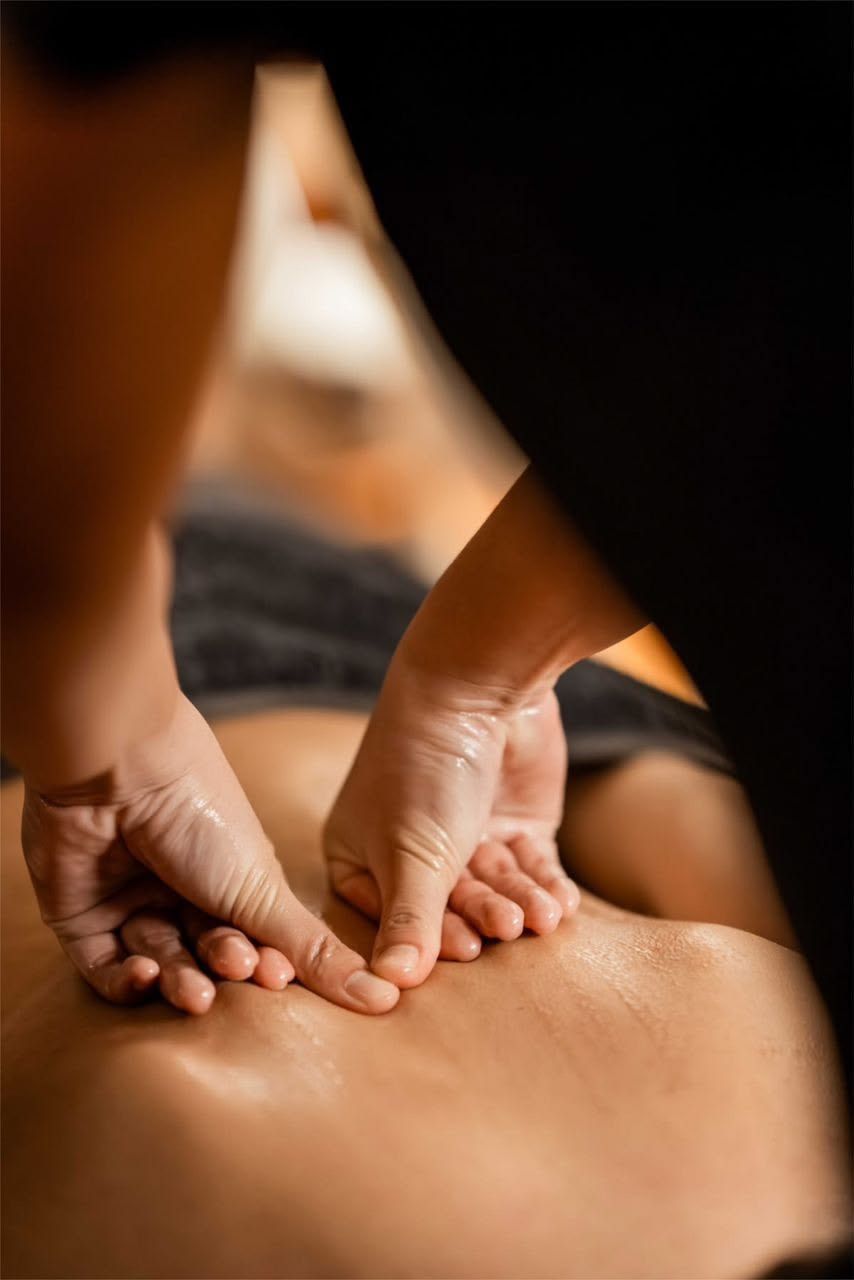
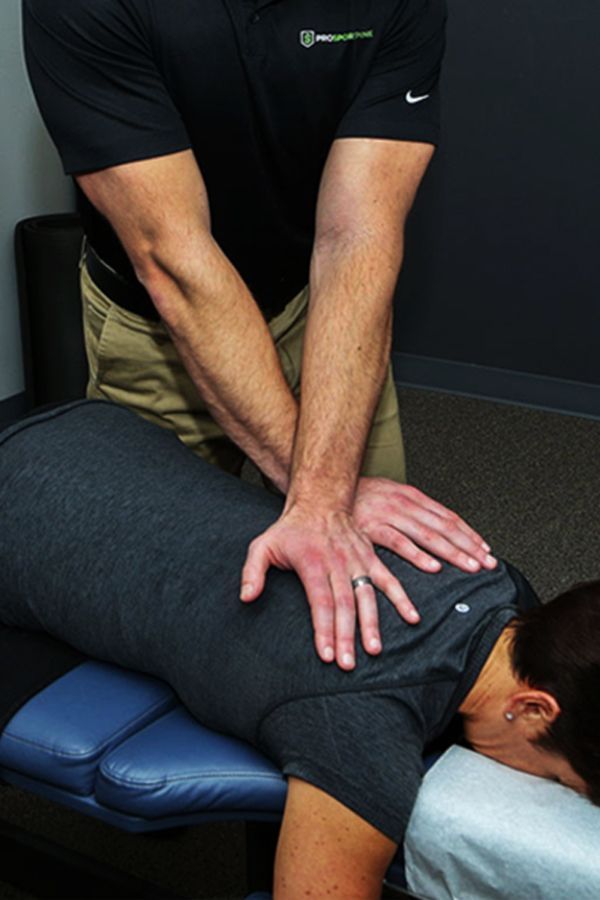
Your RMT uses slow, deliberate strokes and sustained pressure to reach the deeper muscle fibres. Techniques include stripping (deep, gliding pressure along the length of muscle fibres), friction (pressure applied across the grain of the muscle to break down adhesions), and trigger point therapy (focused pressure on tight, painful points within a muscle).
Unlike a general relaxation session, deep tissue massage often involves targeted work on specific problem areas identified during your clinical assessment.
Who Benefits Most
- Deep tissue massage benefits are most significant for people dealing with:
- Chronic lower back pain or sciatica symptoms
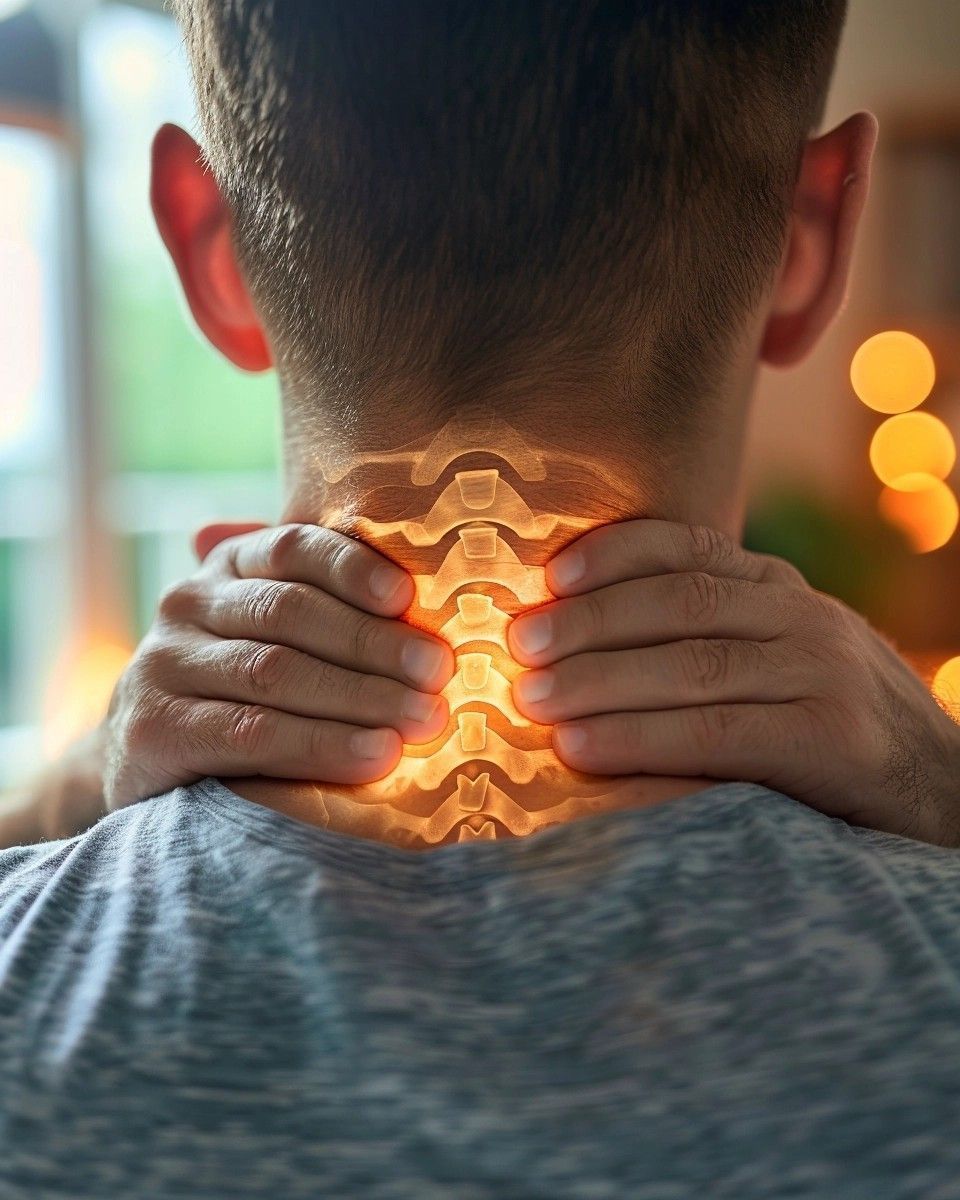
- Neck and shoulder tension caused by desk work or poor posture
- Repetitive strain injuries
- Muscle stiffness following injury or surgery
- Ongoing tightness that limits range of motion
What to Expect After Treatment
It's normal to feel some soreness for 24 to 48 hours after a deep tissue session, similar to the feeling after a hard workout. This is your body's natural response as tissues recover and inflammation decreases. Drinking water, gentle stretching, and avoiding intense exercise for the rest of the day can help your body respond well to the treatment.
Deep tissue massage isn't about enduring pain. A skilled RMT will adjust pressure based on your feedback and tissue response. If something feels too intense, say so. The goal is therapeutic, not uncomfortable.
Deep Tissue vs. Swedish vs. Sports Massage: A Comparison
The table below provides a quick overview of how these three common massage types compare across several key factors.
| Deep Tissue Massage | Swedish Massage | Sports Massage | |
|---|---|---|---|
| Pressure Level | Firm to deep | Light to moderate | Moderate to deep |
| Techniques Used | Stripping, friction, trigger point therapy, myofascial release | Effleurage (long gliding strokes), petrissage (kneading), tapotement (rhythmic tapping) | Stretching, compression, joint mobilisation, trigger point work |
| Best For | Chronic pain, adhesions, deep-seated muscle tension, restricted mobility | Stress relief, relaxation, mild tension, general wellness | Athletic recovery, performance support, sport-specific muscle groups |
| Recovery Time | 24 to 48 hours of mild soreness common | Minimal to none | 12 to 36 hours of localized soreness possible |
| Typical Patient Goals | Pain reduction, improved range of motion, injury rehabilitation support | Relaxation, stress management, improved sleep, light tension relief | Faster recovery between training sessions, injury prevention, improved flexibility |
Understanding the Differences: Deep Tissue, Swedish, and Sports Massage
The comparison table gives you a snapshot, but the practical differences between these massage types become clearer when you think about real patient scenarios.
Deep Tissue Massage
This is the right choice when lighter massage hasn't resolved your symptoms. If you've been carrying tension in your upper back for months, if your lower back seizes up regularly, or if you're recovering from a soft tissue injury, deep tissue massage benefits include directly addressing those deeper layers where the problem often lives.
Your RMT will spend more time on fewer areas, working methodically through the muscle tissue rather than covering your entire body with broad strokes.
Swedish Massage
Swedish massage is what most people picture when they think of a standard massage session. It uses long, flowing strokes, gentle kneading, and rhythmic movements to promote blood flow, calm the nervous system, and release mild muscular tension. It's an excellent option for someone dealing with generalized stress, trouble sleeping, or mild aches that don't require deep clinical work.
Swedish massage can also serve as a good introduction for patients who are new to massage therapy and want to become comfortable with the treatment process before moving to firmer techniques.
Sports Massage
Sports massage vs. deep tissue is a common question, and the distinction matters. Sports massage is specifically tailored to the physical demands of athletic activity. It focuses on the muscle groups most involved in your sport or training routine, using a mix of stretching, compression, and targeted pressure.
A runner, for example, might receive focused treatment on their hamstrings, calves, and hip flexors, while a tennis player could need more attention on the rotator cuff and forearm. Sports massage may be applied before an event (to prepare tissues) or after (to support recovery). Deep tissue work may be incorporated into a sports massage session, but the overall approach is designed around performance and athletic function.
When to Choose Each Type of Massage
Choosing the right massage type comes down to what your body needs right now. Here's a practical guide based on common scenarios.
Chronic Pain
If you're dealing with persistent pain, especially in the lower back, hips, or shoulders, deep tissue massage is typically the most effective option. Massage therapy for lower back pain often requires sustained pressure on specific muscle groups like the erector spinae and quadratus lumborum, which respond well to deep tissue techniques.
Athletic Recovery
Sports massage is the clear choice here. Your RMT can focus on the exact muscle groups stressed during training, reduce delayed onset muscle soreness (DOMS), and help maintain flexibility between events or workout cycles.
Stress Relief
Swedish massage excels at calming the nervous system. If your main concern is tension from a stressful week rather than a specific muscular complaint, the lighter approach promotes relaxation without the post-treatment soreness that deeper work can produce.
Posture-Related Tightness
Sitting at a desk for eight or more hours a day creates predictable tension patterns: tight chest muscles (pectorals), shortened hip flexors, and stiff upper trapezius and levator scapulae muscles. Deep tissue massage benefits are particularly relevant here, as the muscular restrictions caused by sustained postures often sit in deeper tissue layers.
Desk-Job Neck and Shoulder Strain
The best massage for neck and shoulder pain caused by prolonged sitting is often a combination approach. An RMT may use deep tissue techniques on the upper trapezius, suboccipitals, and levator scapulae, then transition to broader Swedish-style strokes to promote circulation and relaxation through the surrounding tissue. This kind of tailored treatment plan is one of the advantages of working with a registered professional.
Injury Rehabilitation Support
Following an injury, your tissues go through stages of healing. In the early stages, lighter techniques may be appropriate to improve circulation without aggravating the injury. As healing progresses, deep tissue work and sports massage techniques can help break down scar tissue, restore range of motion, and reduce compensatory tension in surrounding muscles.
Deep Tissue Massage Benefits for Long-Term Wellness
One session can offer relief, but the benefits of regular massage therapy extend well beyond a single appointment. Deep tissue massage, in particular, produces cumulative effects that support long-term physical health.
Improved Circulation
Firm, sustained pressure helps push blood through congested areas of tissue, improving oxygen and nutrient delivery to muscles and organs. Over time, this improved circulation supports faster recovery from physical exertion and reduces the buildup of metabolic waste products in muscle tissue.
Reduced Muscle Tension
Chronic tension doesn't develop overnight, and it rarely resolves in one session. Regular deep tissue treatment progressively addresses adhesions and areas of hypertonicity, helping muscles return to a healthier resting state. Patients who maintain a consistent treatment schedule often report that the same areas require less intensive work over time.
Improved Mobility and Range of Motion
Tight muscles and restricted fascia limit how your joints move. Deep tissue massage works to lengthen shortened muscle fibres and release fascial restrictions, which can directly improve your ability to move through a full range of motion. This matters for everything from bending down to tie your shoes to performing at your best in the gym.
Posture Support
Many postural problems are driven by muscular imbalances: some muscles are too tight, others too weak. Deep tissue massage addresses the "too tight" side of the equation, making it easier for corrective exercises and stretches to produce lasting postural changes.
Recovery Support
If you exercise regularly, deep tissue massage supports your recovery by reducing muscle soreness, improving tissue flexibility, and promoting circulation to areas under the most physical stress. Athletes who receive regular treatment often find they can train more consistently with fewer setbacks.
Chronic Pain Management
For conditions like fibromyalgia, chronic tension headaches, or recurring lower back pain, the benefits of regular massage therapy can be significant. While massage isn't a cure, it can reduce symptom severity, improve sleep quality, and decrease the reliance on pain medication for many patients.
RMT vs. Massage Therapist: What Toronto Patients Should Know
The difference between an RMT and a massage therapist is a critical distinction in Ontario, and understanding it helps you make safer, more informed healthcare decisions.
What Is an RMT?
A Registered Massage Therapist (RMT) in Ontario is a healthcare professional regulated by the College of Massage Therapists of Ontario (CMTO). To use the title "RMT," a therapist must complete an accredited massage therapy program (typically 2,200 to 3,000 hours of education), pass provincial certification examinations, and maintain active registration with the CMTO.
Why the Distinction Matters: RMT vs. Massage Therapist
In Ontario, only RMTs are regulated under the Regulated Health Professions Act. This means they are held to clinical standards of practice, are required to carry professional liability insurance, and are subject to a complaints and discipline process. Someone offering "massage" without RMT credentials is not subject to these safeguards.
Here's what RMT regulation means for you as a patient:
Clinical Assessment: Your RMT will conduct a proper assessment before treatment, including health history review, orthopedic testing when indicated, and identification of treatment goals. This is clinical care, not guesswork.
Treatment Planning: Based on your assessment, your RMT develops a treatment plan with specific goals, timelines, and measurable outcomes. Your plan evolves as your condition changes.
Insurance Eligibility: Most extended health benefit plans in Ontario cover RMT services. Massage provided by a non-registered therapist typically does not qualify for insurance reimbursement.
Safety and Accountability: RMTs are required to maintain continuing education, follow evidence-based practices, and adhere to professional conduct standards. If something goes wrong, there is a regulatory body to address it.
If you're receiving treatment for a specific condition, such as chronic pain, injury recovery, or athletic maintenance, seeing a regulated RMT ensures your care is safe, properly assessed, and covered by your benefits plan.
How Often Should You Get Massage Therapy?
Treatment frequency depends on your condition, goals, and how your body responds to treatment. Here are general guidelines based on common patient profiles.
Maintenance and General Wellness
If you're in good overall condition and want to stay that way, one session every three to four weeks is a reasonable maintenance schedule. This helps manage the normal tension that builds up from daily activities and keeps minor issues from becoming bigger problems.
Acute Pain
If you're experiencing a new or sudden onset of pain, your RMT may recommend one to two sessions per week initially. As symptoms improve, the frequency typically decreases. The goal is to address the acute issue quickly and then transition to a less intensive schedule.
Chronic Pain
Ongoing conditions like chronic lower back pain, recurring headaches, or fibromyalgia often respond best to a consistent schedule. Many patients find that every one to two weeks provides the most sustained relief. Your RMT will reassess regularly and adjust the plan as needed.
Athletes
Competitive and recreational athletes benefit from treatment aligned with their training cycles. During heavy training phases, weekly sessions may be appropriate. During lighter periods or the off-season, biweekly or monthly sessions are often enough. Pre-event and post-event massage can also be scheduled around specific competitions.
Desk Workers
If your job involves prolonged sitting, a session every two to three weeks can help manage the neck, shoulder, and lower back tension that desk work creates. Pairing regular massage with ergonomic adjustments and movement breaks throughout your workday gives you the best results.
Why Choose RMT Massage Therapy in Downtown Toronto
Finding accessible massage therapy in Toronto shouldn't be complicated. At Rosedale Wellness Centre, our team of Registered Massage Therapists provides individualized treatment plans based on thorough clinical assessments, not a one-size-fits-all approach.
Our professional RMT team includes therapists with experience across deep tissue, Swedish, sports, and myofascial release techniques. Each treatment begins with an assessment of your current condition, health history, and specific goals, so your session targets what actually needs attention.
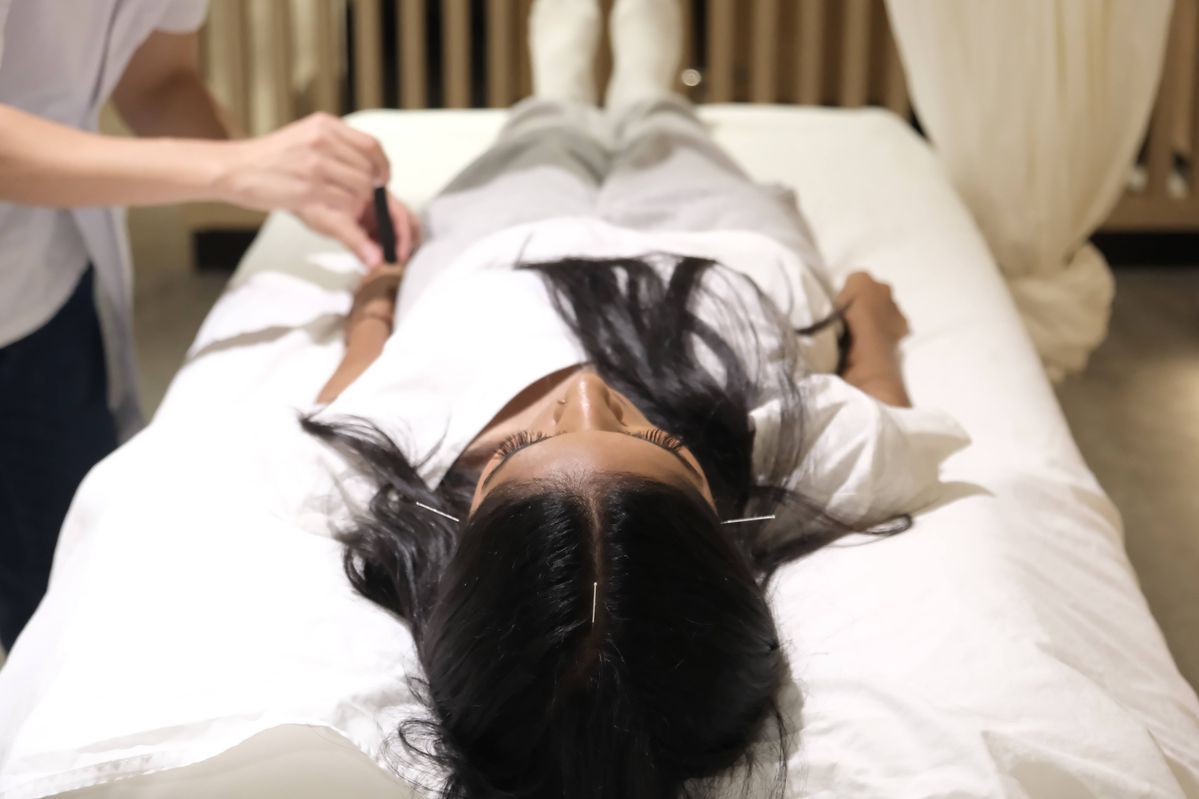
As a multi-disciplinary clinic, we also offer collaborative care. If your RMT identifies that your condition would benefit from additional support, such as physiotherapy, chiropractic care, or acupuncture, our team can coordinate a treatment plan that addresses your needs from multiple angles. This kind of integrated approach is one of the advantages of choosing an RMT in Downtown Toronto at a clinic with multiple disciplines under one roof.
Our downtown Toronto location makes it easy to fit appointments into your schedule, with flexible booking options including same-day availability. Every treatment we provide is grounded in evidence-based practice, delivered by regulated professionals, and designed to produce real, measurable improvement.
If you've been dealing with chronic tension, recovering from an injury, or simply want to stay ahead of the aches that come with an active life, our clinic offers professional massage therapy in Downtown Toronto to help you feel and move better.
Frequently Asked Questions
What are deep tissue massage benefits?
Deep tissue massage benefits include reduced chronic muscle tension, improved range of motion, better circulation, decreased pain in problem areas, and support for injury recovery. It's particularly effective for patients with persistent lower back pain, shoulder tightness, and postural strain. Regular sessions produce cumulative results, meaning the benefits increase over time with consistent treatment.
Is deep tissue massage painful?
Deep tissue massage involves firm pressure, and you may feel discomfort in areas with significant tension or adhesions. However, it should not be painful in a way that makes you tense up or hold your breath. A skilled RMT will check in with you throughout the session and adjust pressure based on your feedback. Some mild soreness for 24 to 48 hours after treatment is normal and typically resolves on its own.
How often should I book massage therapy?
It depends on your condition and goals. For maintenance and general wellness, once every three to four weeks is common. For acute or chronic pain, one to two sessions per week may be needed initially, tapering as symptoms improve. Athletes may benefit from weekly or biweekly sessions aligned with their training schedule. Your RMT will recommend a frequency based on your assessment.
What's the difference between an RMT and a regular massage therapist?
In Ontario, an RMT (Registered Massage Therapist) has completed an accredited education program, passed provincial examinations, and is regulated by the College of Massage Therapists of Ontario. RMTs are held to clinical standards, must carry liability insurance, and their services are typically covered by extended health benefits. A non-registered massage therapist is not subject to these regulations, which means less oversight, no insurance coverage, and no guarantee of clinical training.
What massage is best for lower back pain?
Deep tissue massage is generally the most effective type of massage therapy for lower back pain. It targets the deeper muscle layers, including the erector spinae and quadratus lumborum, that are often responsible for chronic lower back tightness and pain. Your RMT may also incorporate myofascial release techniques to address fascial restrictions contributing to your symptoms.
Can massage help neck and shoulder tension?
Yes. The best massage for neck and shoulder pain typically involves a combination of deep tissue techniques on the upper trapezius, levator scapulae, and suboccipital muscles, along with broader Swedish-style strokes to promote circulation in the surrounding area. An RMT will assess the underlying cause of your tension, whether it's posture, stress, or a specific injury, and tailor the treatment accordingly.
Book Your RMT Massage Therapy Appointment in Downtown Toronto
Your body tells you when something isn't right. Persistent lower back stiffness, that shoulder tension that never fully lets go, the neck pain that returns every afternoon at your desk. These aren't things you need to push through.
At Rosedale Wellness Centre, our Registered Massage Therapists provide clinical, evidence-based treatment designed around your specific condition and goals. Every session starts with a proper assessment and ends with a plan for getting you where you want to be.
(416) 975-0499
Book Your Appointment