Tips From a Physical Therapist On Dealing With Herniated Discs
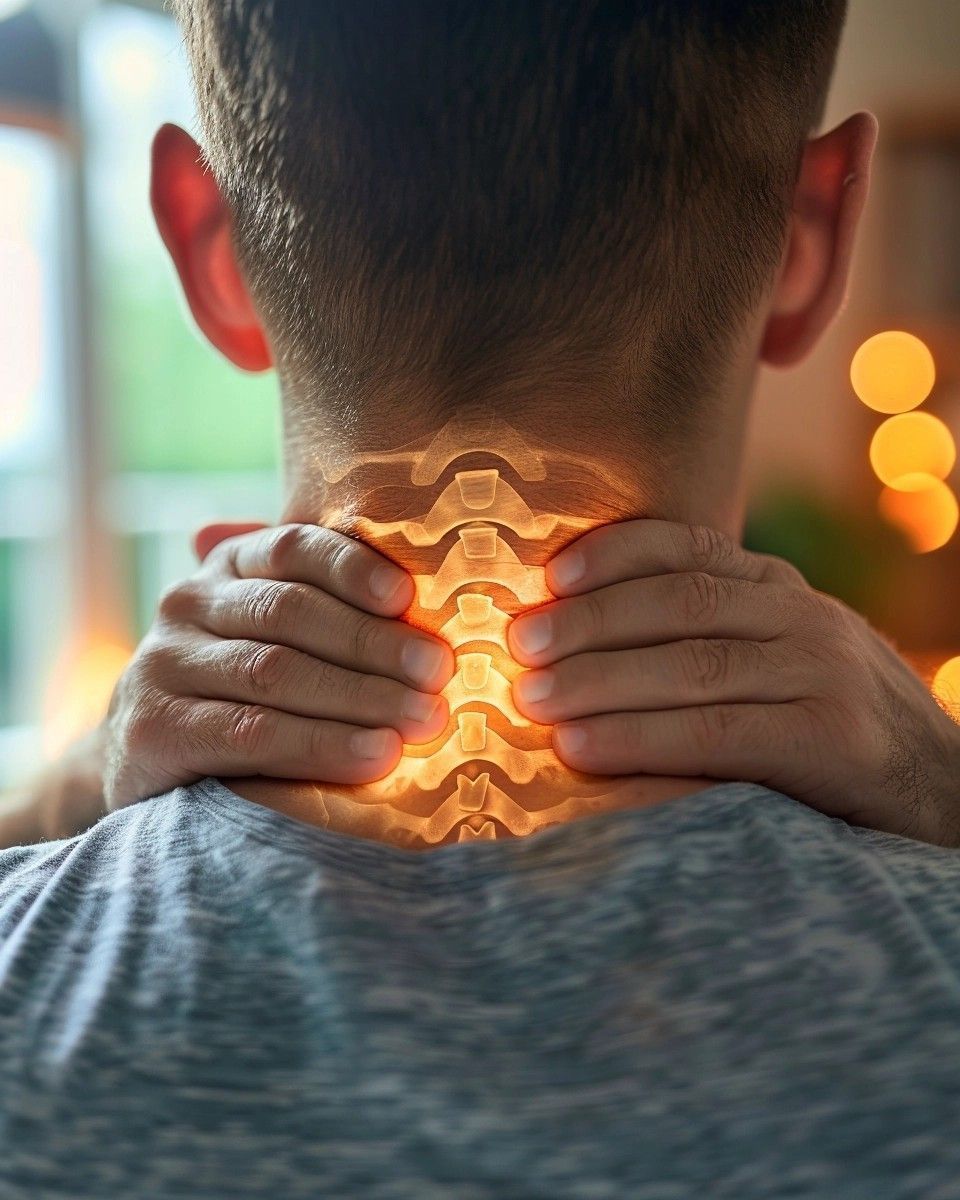
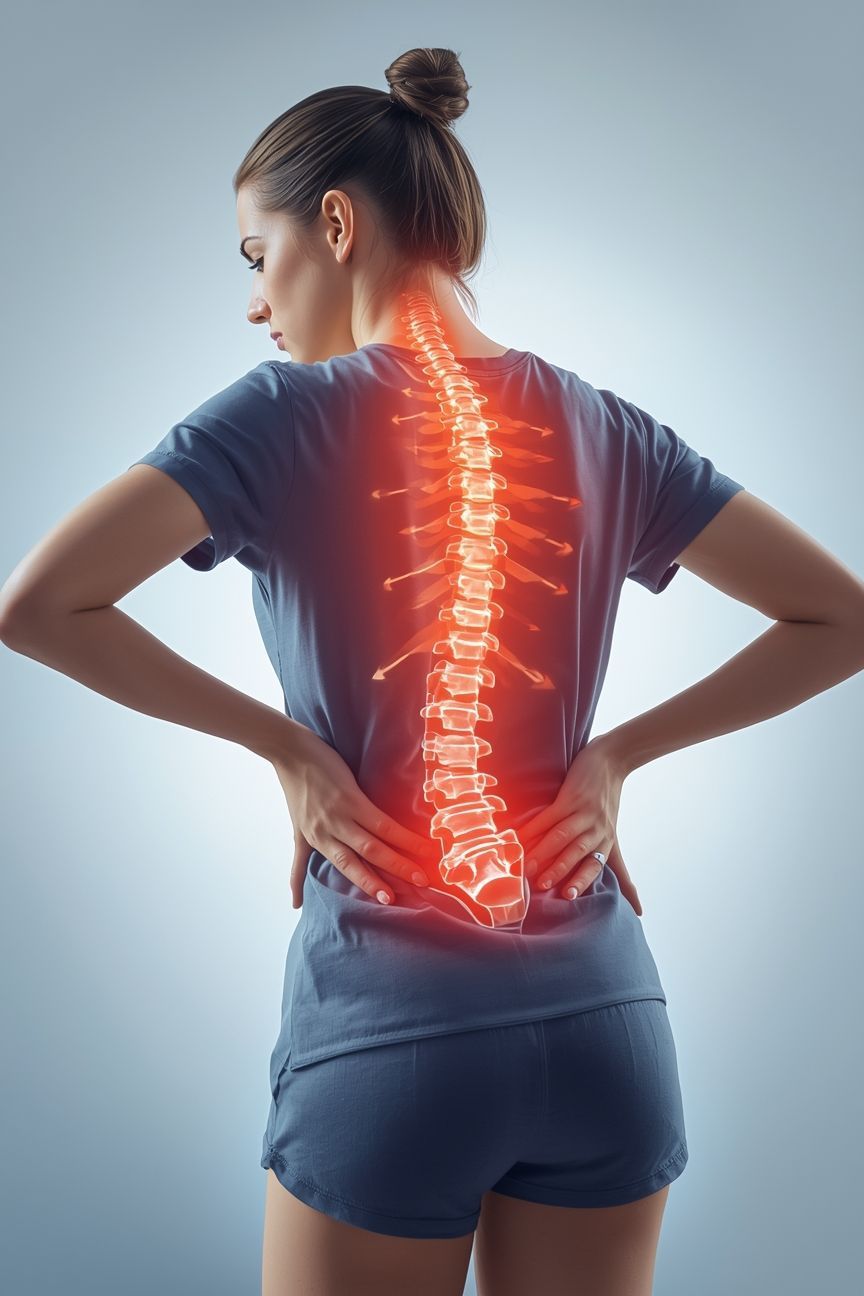
A herniated disc happens when the outer fibrous layer of a spinal disc (usually in the neck or lower back) tears. This allows the disc’s gel-like filling to leak out into the surrounding joint space. In many cases, this can irritate or compress nearby nerves and other structures, leading to uncomfortable symptoms like back pain, neck pain, and pain, numbness, and weakness in an arm or leg.
If you’re currently living with a herniated disc, we encourage you to call our office today to find out how physical therapy can help you heal. In the meantime, keep reading to learn five top tips from our physical therapist team about how to deal with this condition.
1. Move As Much as Possible
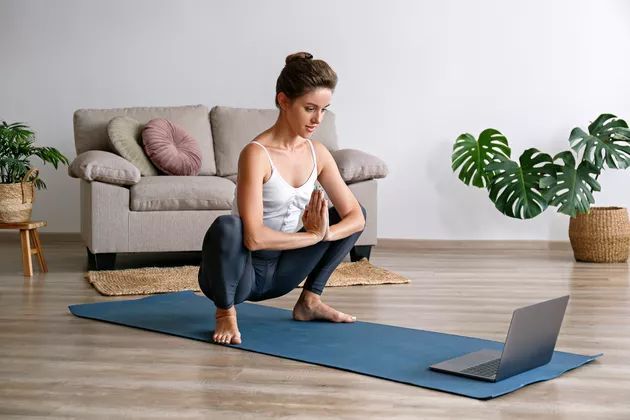
Herniated discs don’t always cause symptoms. But when they do, the symptoms can be extremely uncomfortable, or even disabling. And if you have pain from a herniated disc, the idea of exercising and being on your feet may sound impossible. Even just getting through a workday can seem like a monumental task.
But the truth is, physical activity can relieve symptoms of herniated discs and facilitate disc healing. Studies show regular exercise can also reduce the risk of degenerative disc disease and help you avoid recurring spine problems.
It’s important to be aware that certain types of movement or exercises may not be safe if you have a herniated disc. A physical therapist can help you figure out the most appropriate activities for you given your current condition and ability.
2. Learn and Use Good Body Mechanics
Movement matters—and so does moving safely and correctly. Things like repetitive bending, heavy lifting, and slouching in a chair for long periods of time can increase the risk of a herniated disc or make your herniated disc symptoms get worse. That’s why learning how to use proper body mechanics during all of your daily activities is so beneficial.
You may find it useful to ask your physical therapist about special devices or modifcations that can improve your posture and help you move more safely and efficiently. This can include custom orthotics, lumbar support pillows, adjustable standing desks, and adaptive equipment like four-wheeled walkers, reachers, and shoe horns.
3. Build Strength in Your Core (And Don’t Neglect Your Shoulders, Hips, and Ankles)
One of the most important things you need for a healthy spine is a strong and stable core. By core, we mean your trunk muscles on your front, sides, and back—not just your abs.
All your trunk muscles work together to stabilize your spine and ensure your discs and other tissues remain healthy and appropriately aligned. But things like sitting too much can easily weaken your core over time. So, doing exercises to strengthen your trunk muscles and improve their coordination and endurance promotes disc healing, relieves herniated disc symptoms, and prevents those pesky symptoms from coming back (no pun intended).
Proper spine health also depend on good strength and range of motion in your shoulders, hips, and ankles. If muscles like your pecs or hamstrings become short due to poor posture and excessive sitting, they can abnormally pull on and stress the joints, ligaments, and other tissues surrounding your spine. Over time, this can create increased shearing forces and pressure, which may contribute to disc problems and other types of injury.
Physical therapy is ideal for addressing both of these elements of spinal disc health. A physical therapist can teach you exercises to boost core stabilization and endurance while also helping you identify and resolve mobility limitations elsewhere in the body. After all, you may have limited range of motion in certain joints or muscles without even realizing it, simply because you’ve been living with it for so long and have unknowingly found other ways to compensate for it.
4. Practice Other Healthy Lifestyle Habits
Herniated discs don’t have as much blood flow compared to other tissues, so they tend to become more prone to damage over time. In addition to staying active and using good body mechanics and posture, there are many other lifestyle habits you can do that will optimize your disc health as you age. This includes:
- Never smoking or quitting smoking
- Eating a nutrient-dense diet that features lean protein, veggies, fruit, and healthy fats
- Staying well-hydrated
- Maintaining an ideal body weight
- Minimizing your risk of injury, such as wearing your seat belt and wearing sturdy supportive shoes
- Managing your stress
5. Seek Physical Therapy
Not everybody with a herniated disc will need surgery. In fact, conservative interventions like physical therapy are considered first lines of treatment for herniated discs in most cases.
Physical therapists are highly trained medical professionals who can provide non-invasive, customized, and drug-free services that are shown by research to relieve herniated disc symptoms, heal disc tissue, and prevent recurring or chronic pain. Another benefit of physical therapy is that it is recognized as a cost-effective way to improve a person’s quality of life while reducing their need for pain medications and surgery.
And even if you do require surgery to correct your herniated disc, physical therapy can help you recover properly and avoid complications after your procedure.
Could Your Symptoms Be Caused by a Herniated Disc?
A herniated disc is a common cause of back, arm, and leg pain, but it’s possible to manage this condition without invasive procedures. Contact Rosedale Wellness today to see how physical therapy can help you alleviate herniated disc symptoms and live with less pain.
Sources:
The post Tips From a Physical Therapist On Dealing With Herniated Discs appeared first on Rosedale Wellness Centre.