Scoliosis: What It Is, Types, Causes, Symptoms & Treatment & Types
If you or someone you care about has been told they have scoliosis, you're probably looking for clear, honest answers. How serious is it? Will it get worse? What treatment actually helps? This guide covers everything you need to know about scoliosis, from early signs and diagnosis to the most effective non-surgical treatments available today. You'll also learn how the multi-disciplinary team at Rosedale Wellness Centre in downtown Toronto can help you manage this condition and protect your spinal health for the long term.
What Is Scoliosis?
Scoliosis is a condition where the spine curves sideways instead of running straight up and down. Your spine naturally has gentle front-to-back curves in the neck, mid-back, and lower back. With scoliosis, an additional side-to-side curve develops, creating a C-shape or S-shape when viewed from behind.
A healthcare provider will diagnose scoliosis when the lateral curve measures 10 degrees or more on an X-ray. The condition affects an estimated 2% to 3% of the global population. In Canada, that translates to roughly 750,000 people living with some degree of spinal curvature.
The good news? Most cases of scoliosis are mild. Many people go through their entire lives without ever experiencing symptoms or needing treatment. But for those who do experience back pain, postural changes, or functional limitations, effective treatment options exist that don't necessarily involve surgery.
Types of Scoliosis
Not all scoliosis is the same. Understanding the type you have is the first step toward finding the right treatment plan.
Idiopathic Scoliosis (Most Common)
Roughly 80% of scoliosis cases are idiopathic, meaning there's no identifiable cause. Research strongly suggests a genetic component, as the condition often runs in families. Idiopathic scoliosis is categorized by age of onset:
- Infantile scoliosis: Diagnosed before age 3
- Juvenile scoliosis: Diagnosed between ages 4 and 10
- Adolescent scoliosis: Diagnosed between ages 11 and 18 (the most common form)
- Adult idiopathic scoliosis: Diagnosed after age 18, often a progression of an undetected adolescent curve
Congenital Scoliosis
This rare type occurs when vertebrae don't form properly during embryonic development. One or more vertebrae may be partially formed, missing, or fused together. Healthcare providers often detect congenital scoliosis at birth or in early childhood.
Neuromuscular Scoliosis
When muscles or nerves that support the spine don't function properly, the spine can curve as a result. This type commonly accompanies neurological conditions such as cerebral palsy, muscular dystrophy, or spinal cord injuries.
Degenerative (Adult-Onset) Scoliosis
This type develops in adults, typically after age 40, as the spinal discs, joints, and ligaments weaken with age. Bone density loss from osteoporosis can accelerate the process. If you had a mild, undiagnosed curve as a teenager, symptoms may surface later as natural degeneration occurs.
Causes and Risk Factors
For the most common type (idiopathic scoliosis), the exact cause remains unknown. However, researchers have identified several factors that can influence whether scoliosis develops and how it progresses.
Known Causes and Contributing Factors
- Genetics: If a parent or sibling has scoliosis, your risk is significantly higher. Multiple genes appear to be involved.
- Vertebrae malformation: Abnormal bone development during pregnancy causes congenital scoliosis.
- Neuromuscular conditions: Cerebral palsy, muscular dystrophy, and spinal cord injuries can lead to scoliosis by weakening the muscles that support the spine.
- Spinal injuries or tumors: Trauma or growths on the spine can alter alignment over time.
- Degenerative changes: Age-related wear on discs and joints can cause new curves or worsen existing ones in adults.
Who Is at Greater Risk?
Several factors increase the likelihood of developing scoliosis or needing treatment for it:
- Family history: Having a biological relative with scoliosis raises your risk
- Age: Curves most often appear or worsen during growth spurts in adolescence
- Sex: Males and females develop scoliosis at similar rates, but females are far more likely to experience curve progression that requires treatment
- Underlying conditions: Any condition affecting the nerves, muscles, or bones of the spine increases susceptibility
Symptoms and Early Warning Signs of Scoliosis
One of the tricky things about scoliosis is that mild cases often produce no symptoms at all. Many people only discover their condition through a routine screening or when a family member notices something looks different about their posture.
Visible Signs to Watch For
These are changes you or others might notice by looking at your body:
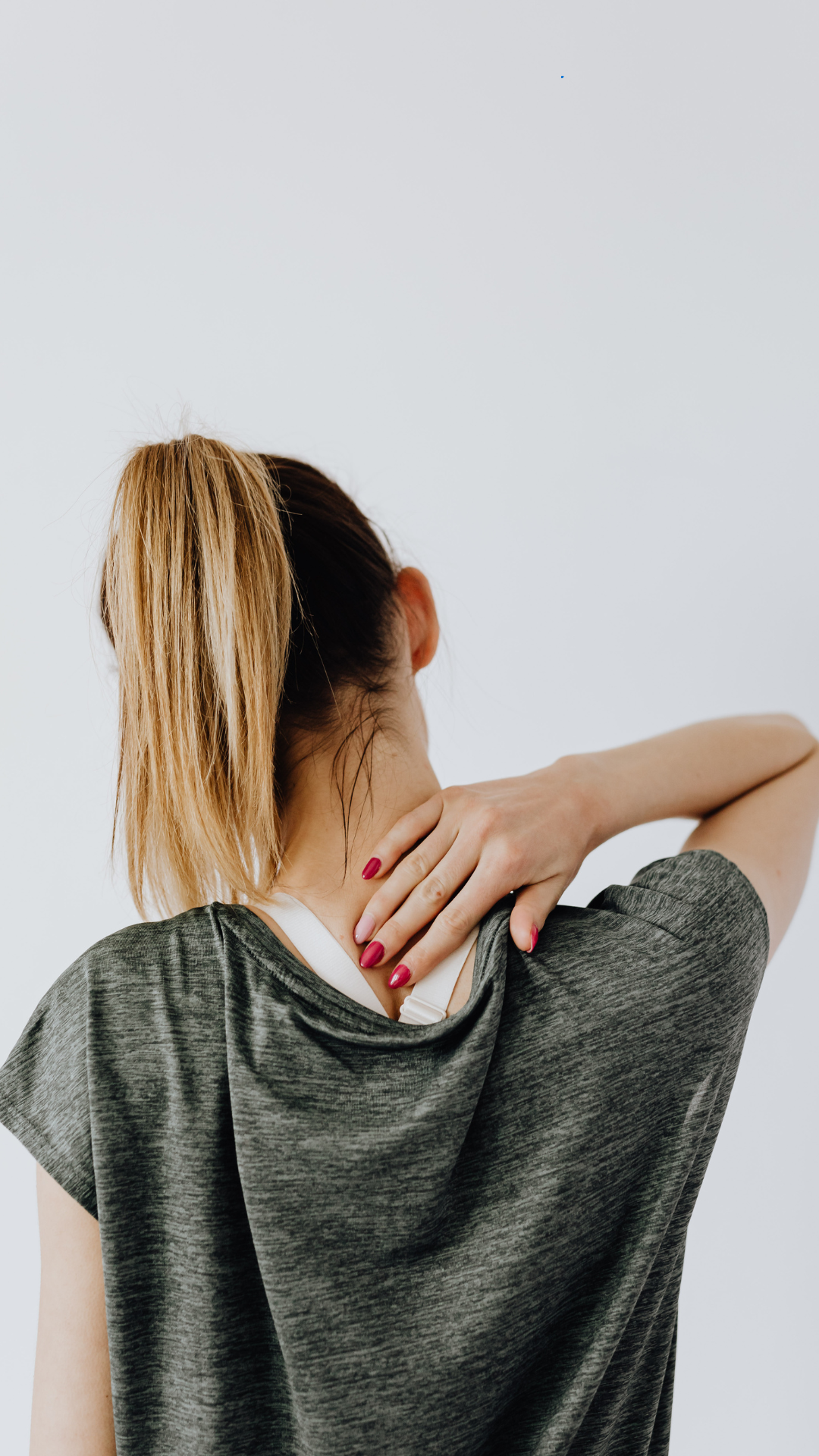
- One shoulder sitting higher than the other
- A shoulder blade that protrudes or sticks out more on one side
- An uneven waistline
- One hip that appears higher or more prominent
- The head not centered above the pelvis
- A constant lean to one side
- Uneven leg lengths
- Rib prominence when bending forward
Physical Symptoms
When scoliosis progresses beyond mild, you may experience:
- Back pain: Particularly in the area of the curve, often worsening with prolonged standing or sitting
- Muscle fatigue: The muscles on one side of the spine work harder to compensate for the curve
- Core weakness: The uneven loading of the spine can lead to weakened abdominal and back muscles
- Leg pain, numbness, or weakness: This occurs when the curve compresses spinal nerves, sometimes producing sciatica-like symptoms
- Difficulty standing upright: As the curve progresses, maintaining an upright posture becomes harder
- Height loss: Particularly in adults with degenerative scoliosis
When to seek immediate care: If you experience difficulty breathing, sudden severe back pain, or loss of bladder or bowel control, contact emergency services right away. These symptoms may indicate that scoliosis is compressing vital structures.
How Scoliosis Is Diagnosed
Early detection makes a real difference in scoliosis management. The earlier a curve is identified, the more treatment options are available, especially for children and adolescents who are still growing.
The Scoliosis Screening
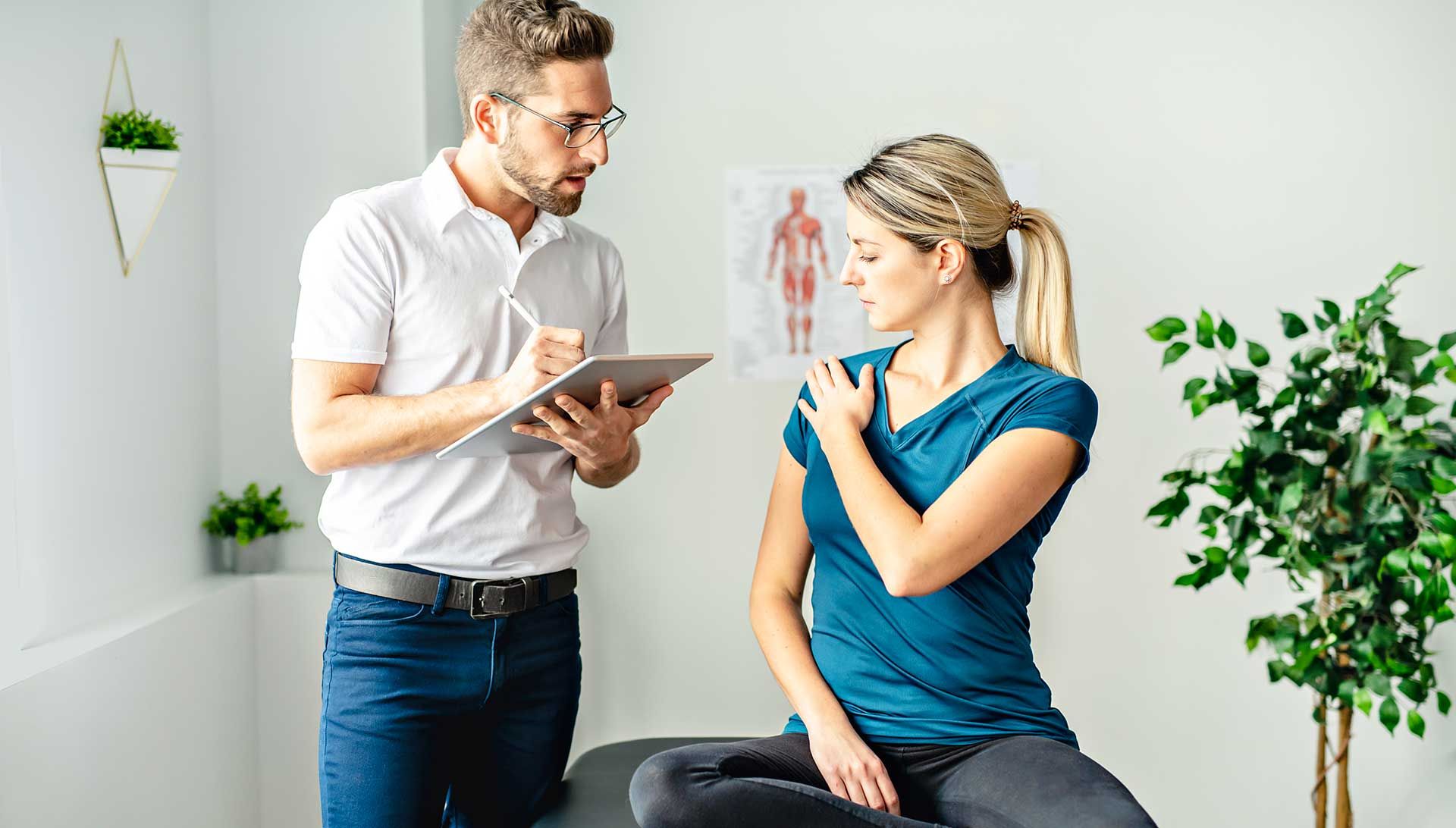
A scoliosis screening is typically the first step. You may remember having one during a school wellness check. During the screening, a healthcare provider will ask you to:
- Remove your shirt so your back is visible
- Stand up straight so they can check your alignment
- Bend forward at the waist (the "Adam's forward bend test") to check for rib prominence or asymmetry
The provider uses a tool called a scoliometer to measure the angle of trunk rotation. If the reading suggests possible scoliosis, further testing is recommended.
Imaging and Clinical Assessment
If screening results suggest scoliosis, your healthcare provider will typically order:
- X-rays: Front and side views reveal the full picture of your spinal curve and allow precise measurement
- MRI scan: Used when there's suspicion of an underlying cause, such as a spinal cord abnormality or tumor
- CT scan: Provides detailed 3D images of bone structure when needed for surgical planning
How Curves Are Measured
Healthcare providers measure scoliosis curves in degrees using a method called the Cobb angle. This classification guides treatment decisions:
- Less than 10 degrees: Not classified as scoliosis (considered normal variation)
- 10 to 24 degrees: Mild scoliosis
- 25 to 39 degrees: Moderate scoliosis
- 40 degrees or more: Severe scoliosis
Where Does Scoliosis Typically Occur?
Scoliosis can affect any section of the spine, but patterns differ by age:
- Adolescents: Most curves develop in the thoracic spine (mid-back/rib cage area)
- Adults: Degenerative changes most commonly affect the lumbar spine (lower back), which bears the most weight and is most vulnerable to wear
Treatment Options That Actually Work
Here's an important fact that often gets lost: not every case of scoliosis requires treatment. Mild curves that aren't progressing and aren't causing symptoms may only need periodic monitoring.
When treatment is recommended, your healthcare team considers several factors: the type and severity of your curve, your age, your growth potential (if you're still growing), your symptoms, and your overall health goals.
Conservative (Non-Surgical) Treatment
The vast majority of scoliosis cases respond well to conservative treatment. These approaches focus on managing pain, preventing curve progression, and improving function.
Observation and Monitoring
For mild curves (10–24 degrees), regular monitoring every 4 to 6 months is often all that's needed. Your provider will track the curve with periodic X-rays to ensure it isn't getting worse, especially during growth periods.
Bracing
For moderate curves in children and adolescents who are still growing, a back brace can be highly effective at preventing further curvature. The brace doesn't correct the existing curve, but it can stop it from worsening. Success depends on wearing the brace as prescribed, which is typically 16 to 23 hours per day.
Physiotherapy and Rehabilitation
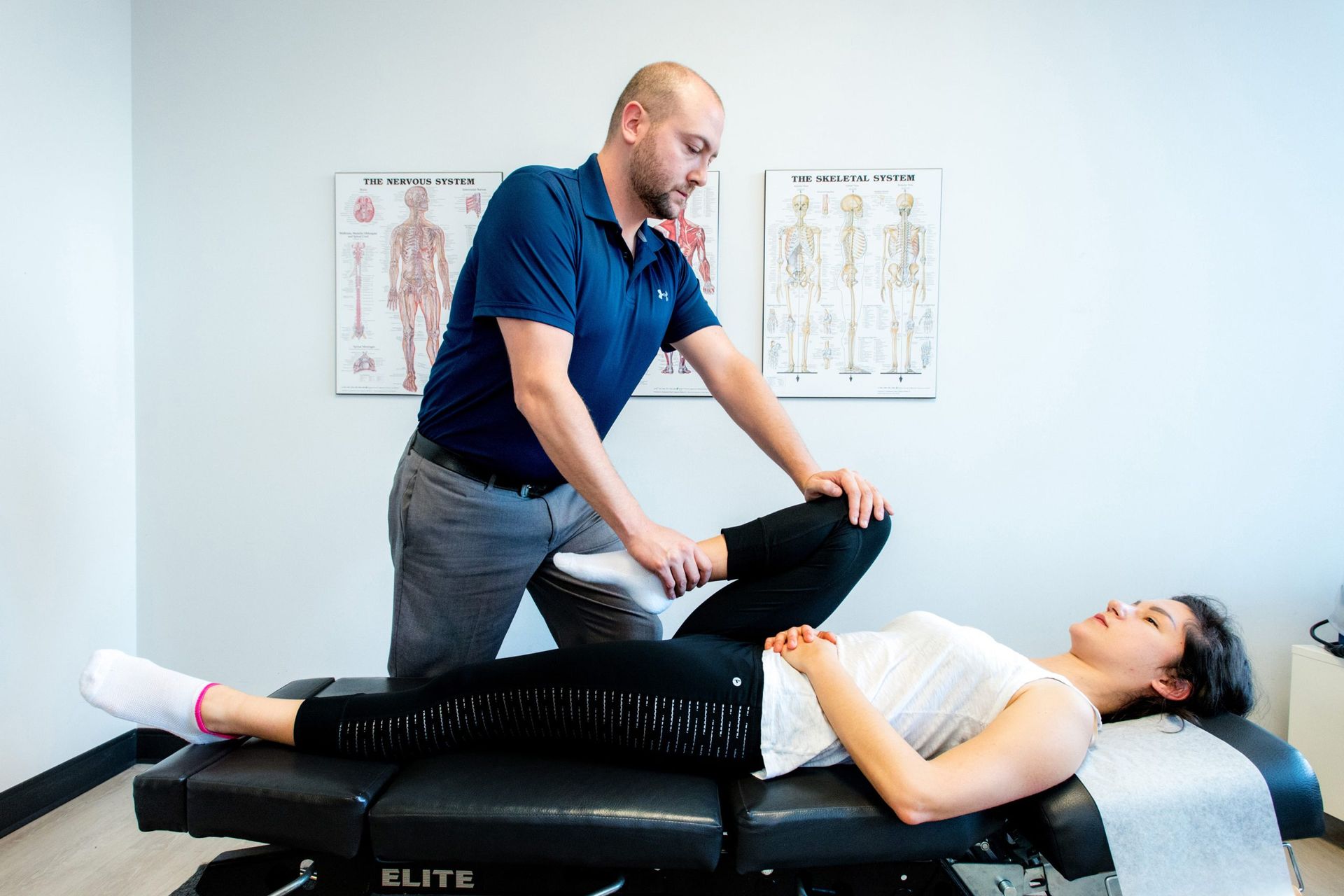
Evidence-based physiotherapy is increasingly recognized as a core component of scoliosis treatment. A qualified physiotherapist designs a personalized program that targets your specific curve pattern, strengthens supporting muscles, and improves overall spinal function.
Chiropractic Care
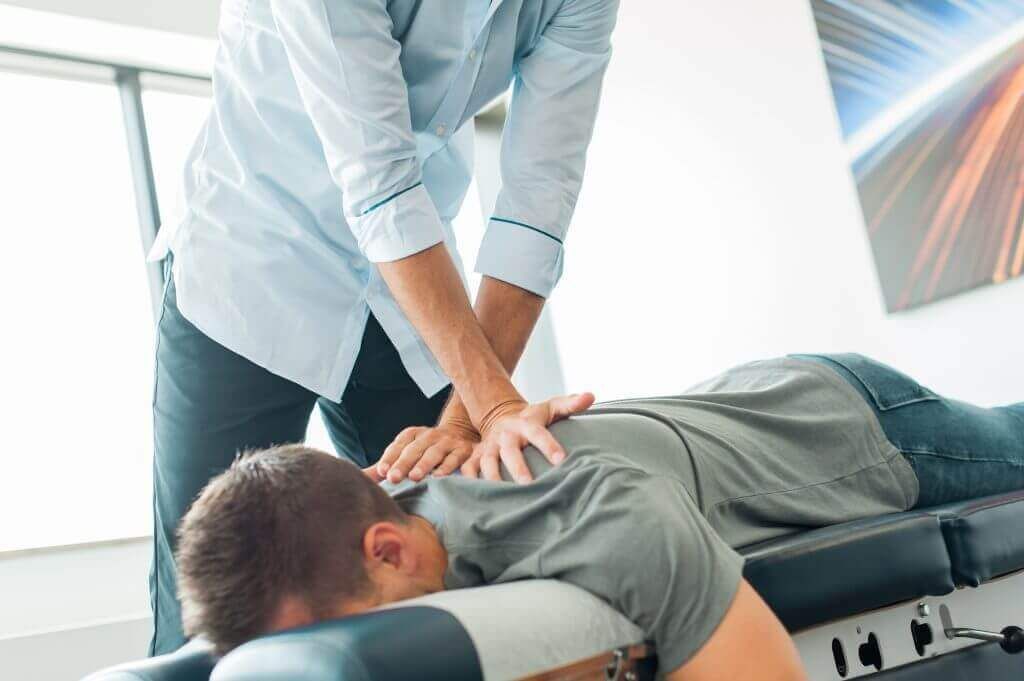
A chiropractor in downtown Toronto can use spinal adjustments and mobilization techniques to improve alignment, relieve pain, and restore range of motion. Chiropractic care is particularly effective when combined with physiotherapy as part of a broader treatment plan.
Pain Management
Over-the-counter anti-inflammatories may help manage pain during flare-ups. However, medication alone doesn't address the underlying cause. That's why active treatments like physiotherapy and chiropractic care are far more effective for long-term symptom management.
Surgical Treatment
Surgery is reserved for severe cases that don't respond to conservative treatment. It may be recommended when:
- The curve exceeds 40 to 50 degrees
- The curve is progressing rapidly despite bracing
- Nerve compression is causing significant symptoms
- The curve is affecting breathing or organ function
The most common surgical procedure is spinal fusion, where the surgeon connects two or more vertebrae using bone grafts and metal hardware to stabilize the spine. For growing children, expandable rods can be implanted and periodically lengthened to accommodate growth.
While surgery is generally safe and effective for severe cases, it does carry risks including infection, bleeding, nerve damage, and reduced spinal mobility. This is why exhausting conservative treatment options first is so important.
How Physiotherapy Treats Scoliosis
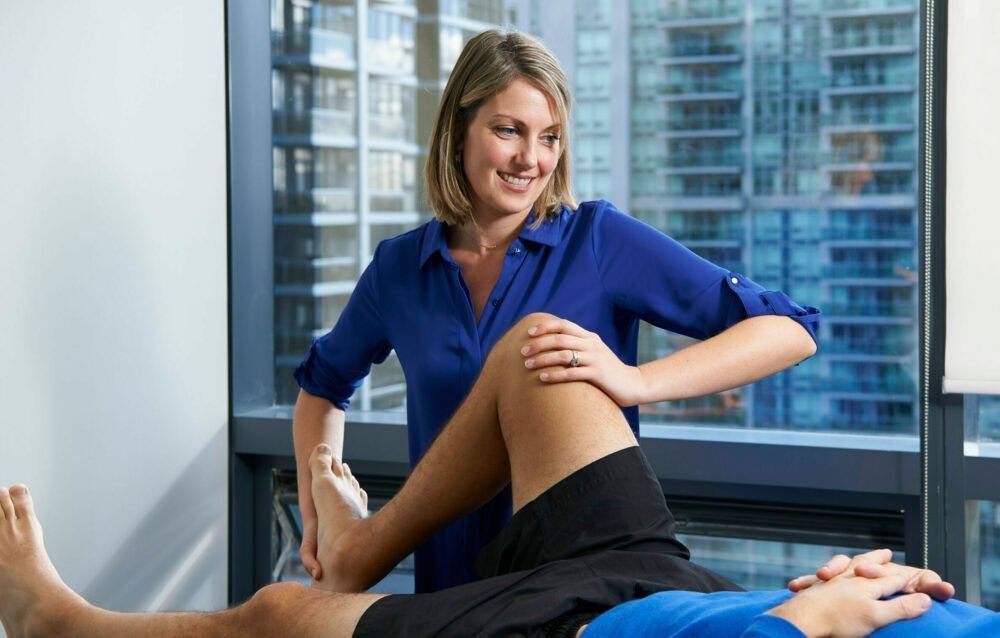
Physiotherapy for scoliosis goes well beyond generic stretching. A skilled physiotherapist evaluates your specific curve pattern, posture, muscle imbalances, and functional limitations, then builds a targeted treatment plan around your unique needs.
What Physiotherapy Can Do for Scoliosis
- Reduce pain: Manual therapy techniques including soft tissue mobilization and joint mobilization can significantly decrease back pain associated with scoliosis
- Strengthen weak muscles: Targeted exercises strengthen the muscles that support your spine, reducing the strain caused by the curve
- Improve flexibility: Stretching programs address muscle tightness on the concave side of the curve
- Correct postural imbalances: Postural retraining teaches your body to maintain better alignment throughout daily activities
- Slow curve progression: Evidence shows that specific scoliosis exercises can reduce Cobb angles and prevent worsening, particularly in adolescents
- Enhance breathing: Thoracic scoliosis can restrict rib cage expansion. Breathing exercises integrated into physiotherapy help improve lung capacity
Scoliosis-Specific Exercise Methods
At Rosedale Wellness Centre, physiotherapists may incorporate evidence-based scoliosis-specific exercise approaches such as the Schroth method. These programs use three-dimensional corrective exercises tailored to your individual curve pattern. They teach you how to elongate and rotate your trunk toward a more corrected position during everyday movements.
What to Expect from Physiotherapy Sessions
Your first appointment includes a thorough assessment: posture analysis, range of motion testing, muscle strength evaluation, and a review of any imaging results. From there, your physiotherapist creates a treatment plan that typically includes:
- In-clinic manual therapy and guided exercises
- A home exercise program with clear instructions
- Postural education for work, sleep, and daily activities
- Regular reassessments to track progress and adjust the plan
Most patients begin noticing improvements in pain and mobility within the first 4 to 6 weeks of consistent treatment.
Chiropractic Care for Scoliosis
Chiropractic care for scoliosis focuses on restoring proper spinal alignment and joint mobility. While chiropractic adjustments won't completely reverse a structural curve, they can make a meaningful difference in how you feel and function.
What Chiropractic Treatment Involves
- Spinal adjustments: Gentle, targeted manipulation of vertebrae to improve joint mobility and reduce nerve irritation
- Mobilization techniques: Low-force methods that gradually restore movement to stiff spinal segments
- Postural correction: Identifying and addressing compensatory patterns that develop because of the curve
- Pain reduction: Many patients report immediate pain relief following chiropractic sessions
Chiropractic Care for Different Populations
Scoliosis affects people of all ages, and chiropractic treatment is adapted accordingly:
- Children and teens: A pediatric chiropractor uses age-appropriate, gentle techniques to manage curves during critical growth periods
- Athletes: A sports chiropractor addresses the additional demands that physical activity places on a scoliotic spine
- Pregnant individuals: A prenatal chiropractor can help manage increased back pain that often accompanies scoliosis during pregnancy
Physiotherapy vs. Chiropractic: Which Is Better?
This is one of the most common questions we hear, and the honest answer is: they work best together. Physiotherapy excels at building long-term strength, flexibility, and movement patterns. Chiropractic care excels at restoring joint mobility and providing quick pain relief. A combined approach gives you the benefits of both, which is exactly how our team at Rosedale Wellness Centre approaches scoliosis management.
Complementary Therapies That Support Scoliosis Treatment
A multi-disciplinary approach often produces the best outcomes for scoliosis. Alongside physiotherapy and chiropractic care, several additional therapies can enhance your recovery and quality of life.
Massage Therapy
Massage therapy addresses the muscle tension, tightness, and spasm that frequently accompany scoliosis. The muscles on the convex side of the curve are often stretched and weakened, while those on the concave side become tight and overactive. Skilled massage therapy helps restore balance between these muscle groups.
Specialized techniques like myofascial release are particularly effective for scoliosis. This technique targets the fascia (connective tissue) surrounding muscles, reducing restrictions that contribute to pain and limited mobility.
Acupuncture
Acupuncture can be a powerful tool for managing scoliosis-related pain. By stimulating specific points, acupuncture promotes natural pain relief, reduces inflammation, and encourages blood flow to the affected area. Many patients find it especially helpful for chronic back pain that hasn't responded fully to other treatments.
Dry needling is a related technique that targets myofascial trigger points (muscle knots) that often develop around the scoliotic curve. It can produce rapid relief from localized pain and muscle tightness.
Osteopathy
Osteopathic treatment takes a whole-body approach to scoliosis management. An osteopath evaluates how the spinal curve affects your entire musculoskeletal system, including the pelvis, hips, and rib cage, then uses gentle manual techniques to improve alignment and function throughout the body.
Cupping Therapy
Cupping therapy uses suction to increase blood flow and release tension in tight muscles along the spine. It can be a useful complement to hands-on physiotherapy and massage, particularly for patients who experience chronic muscle tightness on one side of the back.
Electrical Stimulation
Electrical stimulation therapy uses low-level electrical currents to reduce pain, decrease muscle spasm, and promote healing. For scoliosis patients, it's often used alongside exercise therapy to help activate weakened muscles that support the spine.
Therapeutic Ultrasound
Therapeutic ultrasound delivers sound waves deep into tissue to reduce inflammation, relieve pain, and promote tissue healing. It's particularly useful for addressing the chronic muscle and soft tissue irritation that develops around scoliotic curves.
Custom Orthotics
Scoliosis can alter your gait and weight distribution. Custom orthotics correct biomechanical imbalances in your feet and legs that may be contributing to or worsening your spinal symptoms. For patients with leg length differences associated with scoliosis, orthotics can make a noticeable improvement in comfort and posture.
Naturopathic Medicine
A naturopathic doctor can support scoliosis management through nutritional guidance, supplementation, and anti-inflammatory dietary strategies. Ensuring adequate vitamin D, calcium, and magnesium intake is especially important for bone health, particularly in patients concerned about osteoporosis contributing to degenerative scoliosis.
Best Exercises for Scoliosis
Exercise is one of the most powerful tools for managing scoliosis, but the wrong exercises can make things worse. The key is choosing movements that strengthen the right muscles, improve flexibility where it's needed, and avoid overloading the spine.
Exercises That Help
- Core stabilization: Planks, bird-dogs, and dead bugs strengthen the deep core muscles that stabilize the spine without creating excessive spinal load
- Scoliosis-specific stretches: Targeted stretches for the tight side of the curve, including side bends, doorway stretches, and latissimus dorsi stretches
- Swimming: Water-based exercise provides resistance training while unloading the spine, making it one of the best activities for scoliosis
- Walking: A simple, low-impact aerobic exercise that promotes spinal health and overall fitness
- Yoga and Pilates: Modified versions can improve flexibility, core strength, and body awareness (work with an instructor who understands scoliosis)
- Breathing exercises: Rotational breathing techniques help expand the compressed side of the rib cage in thoracic scoliosis
Activities to Approach with Caution
- High-impact sports: Running, jumping, and contact sports can jar the spine and aggravate symptoms
- Heavy overhead lifting: Compresses the spine and can worsen the curve if technique is poor
- Repetitive twisting: Activities like golf, tennis, and gymnastics create uneven rotational forces on the spine
- Prolonged sitting: Weakens supporting muscles and increases stiffness; take movement breaks every 30 to 45 minutes
Important: The most effective exercises for scoliosis are those designed specifically for your curve pattern. A qualified physiotherapist or athletic therapist can create a safe, personalized exercise program that targets your individual needs. Generic online exercise routines may not address your specific curvature and could potentially cause harm.
Living Well with Scoliosis: Practical Tips
A scoliosis diagnosis doesn't mean your quality of life has to suffer. With the right strategies and support, most people with scoliosis lead full, active lives.
Sleep and Comfort
- Mattress choice: A medium-firm mattress typically provides the best combination of support and comfort for scoliosis
- Pillow placement: Experiment with pillows between or under your knees to maintain a neutral spine position
- Sleep position: There's no single "best" position for everyone. Listen to your body and adjust based on what reduces your pain
Workplace Ergonomics
- Set up your workstation so your monitor is at eye level and your feet rest flat on the floor
- Use a chair with good lumbar support, or add a small cushion behind your lower back
- Take regular breaks to stand, stretch, and walk around
- Consider a standing desk that allows you to alternate between sitting and standing
Posture Awareness
While "perfect posture" is a myth (your body is designed to move, not hold one position all day), being aware of your habitual positions can help. Avoid always carrying bags on the same shoulder, crossing your legs in the same direction, or slumping to one side when seated.
Mental and Emotional Health
Living with a visible spinal curve can affect self-image, especially for teenagers. If scoliosis is impacting how you feel about your body, talking to a mental health professional can help. Many clinics, including Rosedale Wellness Centre, take a whole-person approach that addresses emotional well-being alongside physical health.
Scoliosis in Children and Teens
Adolescent idiopathic scoliosis is by far the most common form, typically diagnosed between ages 10 and 15 during puberty's rapid growth spurts. If you're a parent or caregiver, here's what you should know.
Early Detection Matters
The earlier scoliosis is caught, the more options are available. Watch for uneven shoulders, a prominent shoulder blade, or an asymmetric waistline. If your child's school doesn't offer scoliosis screenings, ask your pediatrician to include one during regular checkups.
Treatment for Growing Spines
Treatment decisions for children and adolescents depend heavily on how much growth remains. A curve that measures 25 degrees in a child with several years of growth ahead is treated very differently from the same curve in an adult whose skeleton is mature.
- Mild curves (under 25 degrees): Regular monitoring every 4 to 6 months
- Moderate curves (25–40 degrees) in growing children: Bracing combined with physiotherapy
- Severe or rapidly progressing curves: Surgical consultation may be recommended
Sports and Physical Activity
One of the biggest concerns parents have is whether their child can still play sports. The answer is almost always yes. Physical activity actually benefits scoliosis by strengthening core muscles and improving flexibility. Swimming and gymnastics are especially beneficial.
The main exception is contact sports (hockey, football, lacrosse, wrestling) after spinal surgery. Otherwise, encourage your child to stay active. If you want sport-specific guidance, a sports chiropractor or athletic therapist can provide personalized recommendations.
Adult and Degenerative Scoliosis
If you're an adult who's been told you have scoliosis, you're not alone. Many adults discover they have a curve that's been present since adolescence, while others develop a new curve due to age-related spinal degeneration.
Why Symptoms Often Appear Later in Life
Your spine naturally loses flexibility and cushioning as you age. Discs thin, joints stiffen, and bone density decreases. These changes can unmask a previously asymptomatic curve or create a new one. Common symptoms in adults include:
- Progressive lower back pain
- Stiffness and reduced mobility
- Leg pain, tingling, or weakness from nerve compression
- Gradual height loss
- Difficulty standing upright for extended periods
Treatment Approach for Adults
The goal for adult scoliosis treatment is symptom management and maintaining function, not necessarily correcting the curve. A combination of physiotherapy, chiropractic care, and complementary therapies can make a dramatic difference in how you feel and what you can do.
For adults experiencing nerve-related leg pain alongside their scoliosis, addressing the sciatica and back pain component is essential for restoring comfort and mobility.
Conditions That Overlap with Adult Scoliosis
Adult scoliosis doesn't exist in isolation. Many patients also deal with related conditions that benefit from coordinated treatment:
- Fibromyalgia can amplify the pain experience
- TMJ dysfunction sometimes develops due to compensatory postural changes
- Vestibular issues may arise from altered head positioning and balance
At Rosedale Wellness Centre, our multi-disciplinary team coordinates care across these conditions so nothing falls through the cracks.
Potential Complications of Untreated Scoliosis
While most mild cases never cause problems, severe scoliosis that goes untreated can lead to serious complications:
- Chronic pain: Progressive curves create increasing strain on muscles, joints, and ligaments
- Nerve damage: Severe curves can compress spinal nerves, causing weakness, numbness, or pain in the legs
- Breathing difficulty: Thoracic curves exceeding 70 to 80 degrees can restrict rib cage expansion and reduce lung capacity
- Heart problems: In extreme cases, the heart can be compressed or displaced
- Physical deformity: Visible postural asymmetry that worsens over time
- Reduced quality of life: Pain and functional limitations can affect work, recreation, and emotional well-being
These complications underscore why regular monitoring and proactive treatment matter, even if your curve seems mild today.
When to See a Healthcare Provider About Scoliosis
Don't wait for symptoms to become severe before seeking help. Schedule an appointment if:
- You notice uneven shoulders, hips, or a visible curve in your back
- You're experiencing persistent back pain that doesn't improve with rest
- You've been diagnosed with scoliosis and your symptoms are worsening
- Your current treatment plan isn't providing adequate relief
- You have a family history of scoliosis and want proactive screening
For parents and caregivers: bring your child in for screening if you notice postural changes, if a school screening raises concerns, or if scoliosis runs in your family. Early intervention during growth periods gives your child the best possible outcomes.
Scoliosis and Pregnancy
Many women with scoliosis worry about how pregnancy will affect their spine. In most cases, scoliosis doesn't prevent a healthy pregnancy. However, the extra weight and shifting center of gravity during pregnancy can increase back pain, particularly if you already have a curve.
Our pregnancy program at Rosedale Wellness Centre provides specialized support for pregnant individuals with scoliosis. This includes gentle physiotherapy, prenatal chiropractic care, and safe exercise guidance throughout each trimester.
Frequently Asked Questions About Scoliosis
How does physiotherapy help scoliosis and back pain?
Physiotherapy helps scoliosis by strengthening the muscles that support the spine, improving flexibility, reducing pain through manual therapy techniques, and teaching proper posture. A physiotherapist designs personalized exercise programs targeting the specific curvature pattern. Over time, consistent physiotherapy can slow curve progression, reduce back pain, and improve overall function and quality of life. At Rosedale Wellness Centre, our physiotherapists use evidence-based approaches including scoliosis-specific exercises, electrical stimulation, and hands-on manual therapy to create comprehensive treatment plans.
When should I see a chiropractor for scoliosis?
You should see a chiropractor for scoliosis when you experience persistent back pain, noticeable postural changes, uneven shoulders or hips, or stiffness that limits daily activities. Chiropractic care is especially helpful for mild to moderate scoliosis where spinal adjustments can improve alignment and reduce pain. Early intervention gives you the best chance of managing symptoms effectively. For children showing signs of scoliosis, a pediatric chiropractor can provide gentle, age-appropriate care.
What are the most effective non-surgical treatment options for scoliosis?
The most effective non-surgical treatments for scoliosis include physiotherapy with targeted strengthening exercises, chiropractic spinal adjustments, massage therapy for muscle tension relief, bracing for growing adolescents, acupuncture for pain management, and electrical stimulation therapy. A multi-disciplinary approach that combines several of these treatments often produces the best outcomes.
Can scoliosis be treated without surgery in adults?
Yes, most adult scoliosis cases can be managed without surgery. Conservative treatments such as physiotherapy, chiropractic care, massage therapy, acupuncture, and custom orthotics can effectively reduce pain, improve posture, and maintain mobility. Surgery is typically only considered for severe cases where the curve exceeds 40 to 50 degrees and causes significant complications like nerve compression or breathing difficulty.
Take the Next Step Toward Better Spinal Health
Whether you've just been diagnosed with scoliosis or you've been managing it for years, the team at Rosedale Wellness Centre in downtown Toronto is here to help. Our multi-disciplinary approach brings together physiotherapists, chiropractors, massage therapists, acupuncturists, and other specialists who collaborate on a treatment plan built specifically for you.
We offer same-day appointments and direct billing so you can get started without delay. Your spine supports everything you do. It's time to give it the care it deserves.