How Chiropractic and Massage Provide Natural Relief From Headaches | Beyond Chiropractic
If you've ever cancelled plans, struggled to focus at work, or spent an afternoon lying in a dark room because of a headache, you're not alone. According to the Canadian Headache Society, nearly 59% of Canadian adults report recurring headaches, with tension-type headaches and migraines being the most common.
Reaching for over-the-counter painkillers may quiet the pain temporarily, but those medications only mask symptoms. They don't address what's actually causing your headaches. Once the drug wears off, the pain often returns, and regular use can even lead to rebound headaches that make the cycle worse.
The good news? Natural, evidence-based therapies like chiropractic care and massage therapy treat the underlying conditions behind your headaches, giving you real relief that lasts. At Rosedale Wellness Centre in downtown Toronto, our multidisciplinary team has helped thousands of patients break free from chronic headaches using a personalized, drug-free approach.
Why Do Headaches Keep Coming Back?Before exploring solutions, it helps to understand why headaches develop in the first place. Most people assume headaches are just something they have to live with, but recurring headaches are your body's way of signaling that something is off.
Common underlying causes of chronic headaches include:
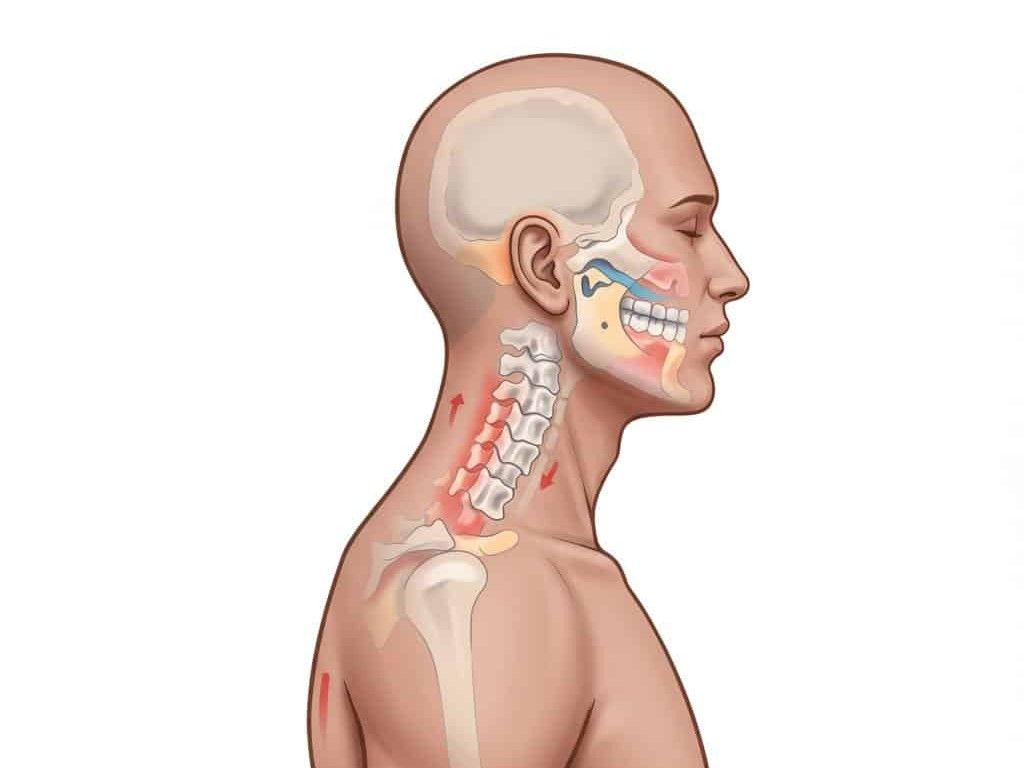
- Cervical spine dysfunction: Misaligned or locked joints in the upper neck create pressure on spinal nerves that travel to the head. This is known as a cervicogenic headache.
- Muscle tension: Tight muscles in the neck, shoulders, jaw, and upper back refer pain directly to the skull, temples, and behind the eyes.
- Poor posture: Hours spent hunching over a computer or phone push the head forward, straining the cervical spine and surrounding muscles.
- Stress and anxiety: Emotional tension causes the body to hold tightness in the jaw, shoulders, and neck, often without you realizing it.
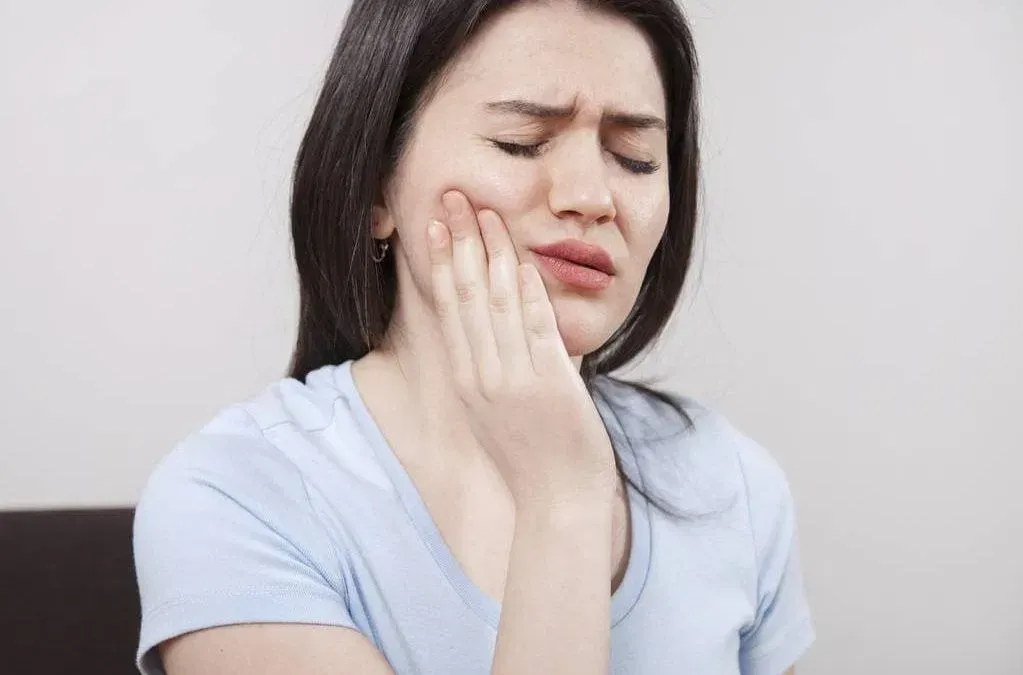
- TMJ dysfunction: Problems with the temporomandibular joint can radiate pain through the temples, ears, and head.
- Nerve irritation or compression: Conditions like sciatica demonstrate how nerve compression can cause referred pain, and the same principle applies to the cervical nerves that trigger headaches.
When these root causes go untreated, headaches persist and can worsen over time. That's exactly why a targeted treatment approach matters so much more than a bottle of pills.
How Chiropractic Care Treats Headaches at the SourceChiropractors are uniquely trained to assess the spinal column and identify joint dysfunctions in the neck that contribute to headache pain. When the joints in the upper cervical spine become restricted or misaligned, they can irritate the nerves that pass through those areas. Your brain interprets this irritation as pain, and a headache begins.
What Happens During a Chiropractic Treatment for Headaches?
When you visit a chiropractor in downtown Toronto at Rosedale Wellness Centre, your first appointment will include:
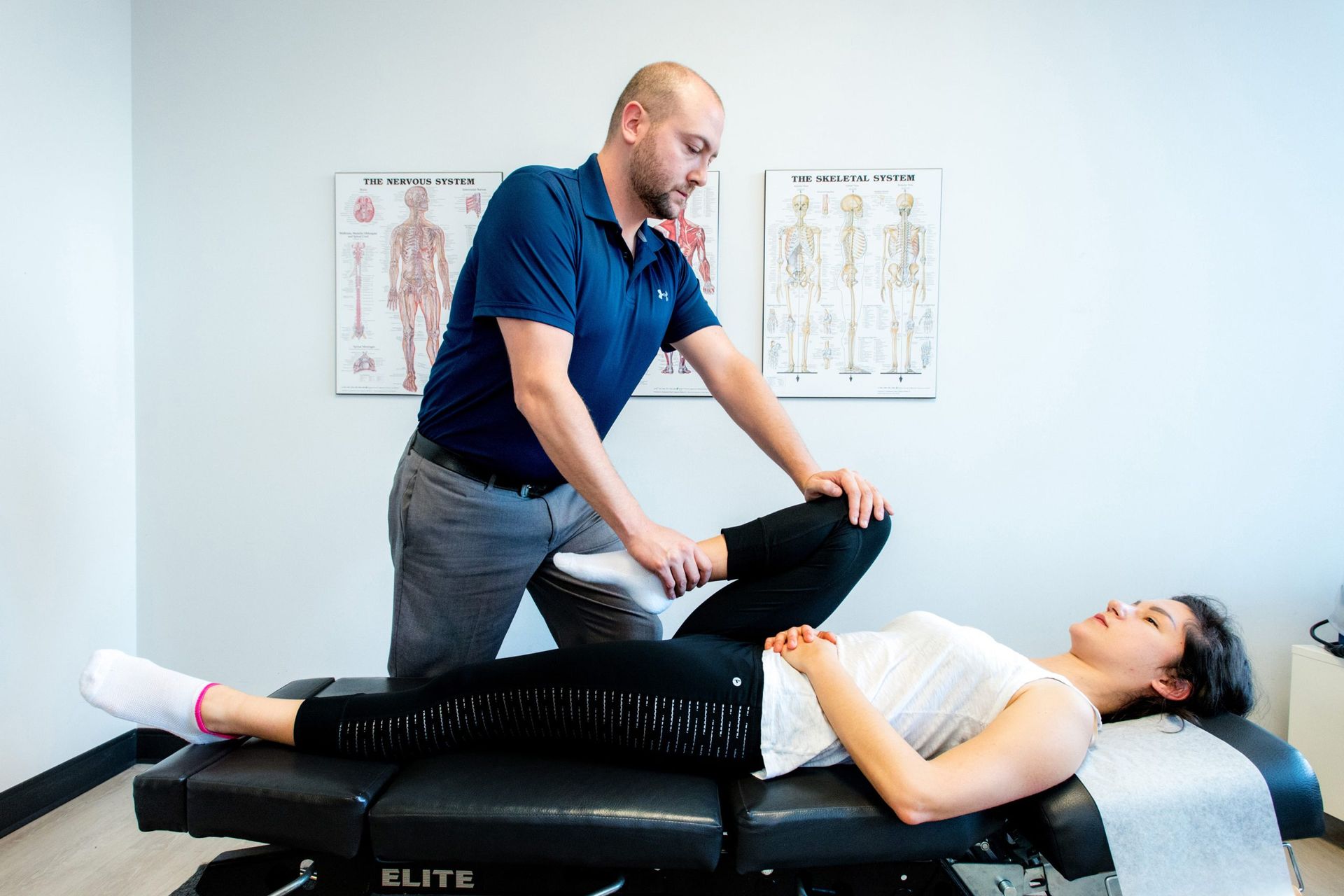
- Comprehensive assessment: Your chiropractor reviews your health history, headache patterns, posture, and lifestyle. A physical examination evaluates your cervical spine alignment, range of motion, and neurological function.
- Diagnosis of the headache type: Whether you're dealing with tension headaches, cervicogenic headaches, or migraines, an accurate diagnosis guides the treatment plan.
- Targeted spinal adjustments: Precise, controlled movements restore proper alignment to the cervical vertebrae, relieving nerve pressure and reducing muscle guarding around the neck and head.
- Personalized treatment plan: Based on your diagnosis, your chiropractor may incorporate additional modalities like electrical stimulation, acupuncture, or postural correction exercises.
By correcting joint dysfunctions and restoring proper nerve function, chiropractic care doesn't just relieve headache symptoms. It helps prevent them from returning.
Types of Headaches That Respond Well to Chiropractic Treatment
- Cervicogenic headaches: These originate from the neck and are among the most responsive to spinal manipulation. Patients often feel improvement after just one or two sessions.
- Tension-type headaches: The most common headache type, often caused by muscle tightness and postural strain. Chiropractic care addresses the spinal component while complementary therapies target muscle tension.
- Migraines: While migraines have a complex neurological component, research shows that chiropractic adjustments can reduce migraine frequency, duration, and severity, especially when combined with other therapies.
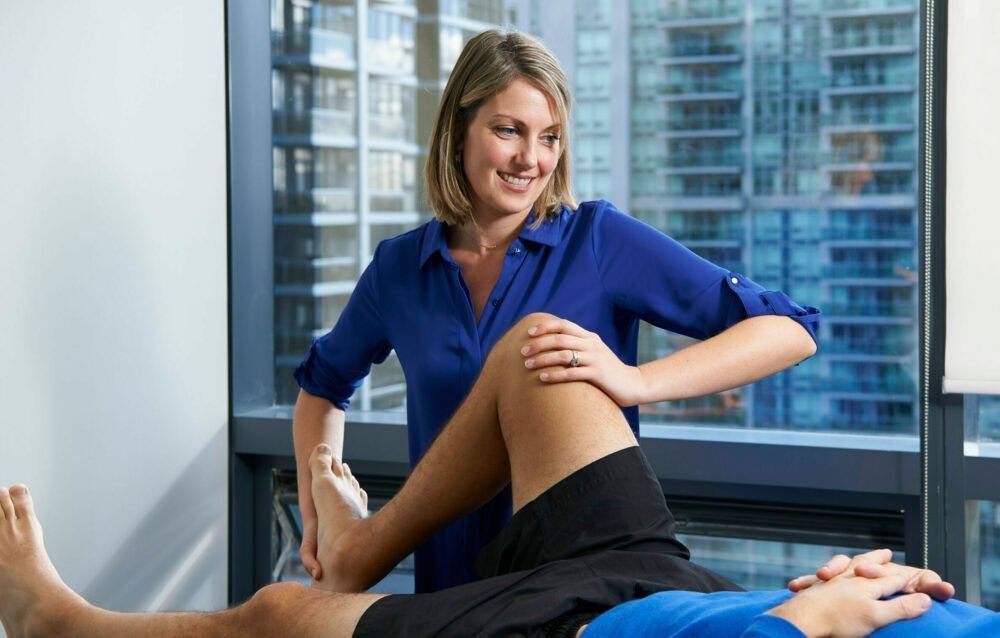
How Massage Therapy Relieves Headache PainRegistered massage therapy is one of the most effective natural treatments for headache relief. Our registered massage therapists (RMTs) in Toronto focus on releasing the specific muscle groups that contribute to headache pain.
Massage Techniques for Different Headache Types
Different headaches require different therapeutic approaches. Here's how massage therapy addresses each type:
Tension Headaches
Tension headaches typically stem from tight muscles in the neck, shoulders, and upper back. Your RMT uses techniques like myofascial release and deep tissue massage to relax these muscles, release trigger points, and improve circulation. As the muscle tension dissolves, the headache fades with it.
Sinus Headaches
Fluid trapped in the sinus cavities creates painful pressure in the forehead and cheekbones. Gentle facial massage techniques help drain congested sinuses, relieve pressure, and promote natural fluid flow. Your therapist can also teach you self-massage techniques to use at home between appointments.
Migraines
When migraines are connected to nerve impingement or restricted blood flow in the neck, massage therapy can help by releasing tight cervical muscles, improving circulation, and calming the nervous system. Many migraine sufferers find that regular massage significantly reduces the frequency of episodes.
TMJ-Related Headaches
Jaw tension and TMJ dysfunction frequently cause headaches that radiate through the temples and sides of the head. Intra-oral and external jaw massage combined with neck and shoulder work can release the muscles responsible for this pain pattern.
Why Regular Massage Therapy Prevents Future Headaches
Massage therapy doesn't just offer immediate relief. Consistent treatment helps your body maintain a lower baseline of muscle tension, which means headaches are less likely to develop in the first place. Regular sessions also reduce stress hormones like cortisol while boosting serotonin and dopamine, creating a neurochemical environment that's more resistant to headache triggers.
Beyond Chiropractic and Massage: Complementary Therapies That HelpAt Rosedale Wellness Centre, we take a multidisciplinary approach because headaches often have more than one contributing factor. Depending on your assessment results, your treatment plan may include one or more of these complementary therapies:
Acupuncture for Headaches
Acupuncture has a long and well-documented history of treating headaches. Fine needles are placed at specific points to redirect energy flow (Qi), reduce inflammation, and improve nerve function. Research published in major medical journals supports acupuncture as an effective treatment for both tension headaches and migraines, and it's especially valuable for patients who prefer to avoid medications entirely.
Dry Needling for Trigger Point Headaches
Dry needling targets specific myofascial trigger points in muscles that refer pain to the head. Unlike acupuncture, which follows traditional Chinese medicine meridians, dry needling uses anatomical knowledge to release tight muscle bands and improve local blood flow. It's particularly effective for stubborn trigger points in the upper trapezius, suboccipital muscles, and the muscles of the jaw.
Physiotherapy for Postural Correction
If poor posture is a major contributor to your headaches, physiotherapy can help you retrain your body mechanics. A physiotherapist will assess your posture, identify muscle imbalances, and prescribe targeted exercises to strengthen weak areas and stretch tight ones. Over time, improved posture reduces the mechanical stress on your cervical spine that triggers headaches.
Cupping Therapy
Cupping therapy uses suction to improve blood flow, release fascial restrictions, and reduce muscle tension in the neck and upper back. Many patients find cupping especially helpful as a complement to chiropractic adjustments and massage for headache management.
Ultrasound Therapy
Therapeutic ultrasound uses sound waves to generate deep heat in tissues, increasing circulation and promoting healing in areas of chronic muscle tightness and inflammation. It's a gentle, non-invasive modality that can accelerate recovery when combined with manual therapies.
The Connection Between Headaches and Other ConditionsHeadaches rarely exist in isolation. They're often connected to other musculoskeletal or neurological conditions that, when addressed together, produce much better outcomes.
Headaches and Neck Pain
Cervicogenic headaches originate directly from the cervical spine. If you experience both headaches and neck stiffness or pain, there's a strong likelihood that the two are connected. Treating the neck through chiropractic adjustments and massage therapy often resolves both problems simultaneously.
Headaches and TMJ Dysfunction
Jaw clenching, teeth grinding (bruxism), and TMJ dysfunction are common headache triggers that many people don't recognize. The muscles controlling the jaw are directly connected to the temporal region, so tension in these muscles can easily produce headache pain. A combined treatment approach involving chiropractic care, massage therapy, and targeted jaw exercises often provides lasting relief.
Headaches and Fibromyalgia
People with fibromyalgia frequently experience chronic headaches as part of their symptom profile. The heightened pain sensitivity associated with fibromyalgia makes the nervous system more reactive to headache triggers. A comprehensive treatment plan that addresses the whole body, not just the head, produces the best results for these patients.
Headaches and Neurological Conditions
Some headaches are linked to neurological conditions that affect how the brain processes pain signals. Our team works closely with patients to identify whether neurological factors are playing a role and to coordinate appropriate care, which may include vestibular therapy if dizziness or balance issues accompany your headaches.
What to Expect When You Visit Rosedale Wellness Centre for Headache TreatmentWalking into a new clinic can feel overwhelming, especially when you've been suffering for a while. Here's exactly what to expect when you visit our downtown Toronto location:
Initial Consultation
Your practitioner takes a detailed health history, asks about your headache patterns (frequency, intensity, location, triggers), and discusses your goals for treatment. This conversation guides everything that follows.
Physical Examination
A thorough examination of your cervical spine, posture, jaw, shoulders, and upper back identifies the specific structures contributing to your headaches.
Personalized Treatment Plan
Based on your assessment, your practitioner creates a customized plan. This might include chiropractic adjustments, massage therapy, acupuncture, postural exercises, or a combination of modalities.
First Treatment Session
Many patients receive treatment during their first visit. Depending on your condition, you may begin to notice improvement immediately or within the first few sessions.
Ongoing Care and Prevention
As your symptoms improve, your treatment plan is adjusted. You'll also receive home exercises, ergonomic recommendations, and lifestyle guidance to keep headaches from returning.
Lifestyle Strategies to Support Your Headache TreatmentWhile professional treatment addresses the root cause, these daily habits can accelerate your recovery and help prevent headaches between appointments:
- Stay hydrated: Dehydration is one of the simplest and most overlooked headache triggers. Aim for at least 8 glasses of water per day.
- Take screen breaks: Follow the 20-20-20 rule. Every 20 minutes, look at something 20 feet away for 20 seconds. This reduces eye strain and encourages better posture.
- Set up an ergonomic workspace: Position your monitor at eye level, keep your feet flat on the floor, and consider using custom orthotics if you stand for long periods.
- Manage stress actively: Breathing exercises, gentle stretching, and regular physical activity all reduce the muscle tension and nervous system overload that trigger headaches.
- Maintain a consistent sleep schedule: Both too little and too much sleep can trigger headaches. Aim for 7 to 9 hours per night on a regular schedule.
- Limit known triggers: Keep a headache diary to identify foods, activities, or environmental factors that consistently precede your headaches.
When to Seek Professional Treatment for HeadachesNot every headache requires a clinic visit, but certain signs indicate it's time to get professional help:
- Your headaches occur more than twice per week
- Over-the-counter medication no longer provides adequate relief
- Headaches are getting progressively worse over time
- Pain is accompanied by neck stiffness, jaw clicking, or shoulder tension
- You experience visual disturbances, dizziness, or nausea with your headaches
- Headaches interfere with your work, sleep, or daily activities
- You rely on pain medication more than three times per week
If any of these apply to you, a professional assessment can uncover the cause and put you on the path to real relief. At Rosedale Wellness Centre, we offer same-day appointments so you don't have to wait when you're in pain.
Why Choose Rosedale Wellness Centre for Headache Treatment in Toronto?Our downtown Toronto clinic brings together chiropractors, registered massage therapists, physiotherapists, acupuncturists, osteopaths, naturopathic doctors, and athletic therapists under one roof. This multidisciplinary approach means your care team collaborates on your treatment plan, ensuring every aspect of your headache is addressed.
Here's what sets us apart:
- Same-day appointments: When a headache strikes, you shouldn't have to wait days for relief.
- Personalized treatment plans: No two headaches are alike, and your care should reflect that. Every plan is tailored to your specific diagnosis, symptoms, and goals.
- Direct billing: We handle the insurance paperwork so you can focus on getting better.
- Convenient downtown Toronto location: Located at 120 Bloor St E, we're easily accessible from Rosedale, Yorkville, the Annex, and surrounding neighbourhoods.
- Evidence-based care: Our practitioners combine clinical expertise with the latest research to deliver treatments that work.
Frequently Asked Questions About Natural Headache ReliefCan a chiropractor help with chronic headaches and migraines?
Yes. Chiropractors specialize in identifying and correcting spinal misalignments (subluxations) in the cervical spine that frequently trigger headaches and migraines. Through targeted adjustments, soft tissue work, and postural correction, chiropractic care addresses the root cause of your headaches rather than masking symptoms with medication. Many patients experience significant relief within a few visits.
How does massage therapy relieve tension headaches?
Massage therapy relieves tension headaches by releasing tight muscles in the neck, shoulders, and upper back that refer pain to the head. Techniques like myofascial release, deep tissue massage, and trigger point therapy improve blood flow, reduce muscle spasms, and lower stress hormones. Regular massage sessions can both treat active headaches and help prevent them from recurring.
What type of headache responds best to natural treatment?
Tension headaches, cervicogenic (neck-related) headaches, and some migraines respond extremely well to natural treatments like chiropractic care, massage therapy, and acupuncture. These therapies are especially effective for headaches caused by poor posture, muscle tension, stress, or spinal dysfunction. A thorough assessment by a qualified healthcare provider can determine which approach is best for your specific headache type.
How many chiropractic or massage sessions are needed for headache relief?
The number of sessions varies depending on headache severity, frequency, and underlying cause. Many patients notice improvement after 2 to 4 sessions. Chronic headache sufferers may benefit from a longer treatment plan spanning 6 to 12 weeks, with session frequency gradually decreasing as symptoms improve. Your practitioner will create a personalized treatment plan based on your assessment results and progress.
Ready to Stop Living With Headaches?
You don't have to keep reaching for painkillers every time a headache hits. At Rosedale Wellness Centre, our team of chiropractors, massage therapists, physiotherapists, and acupuncturists will work together to find the source of your headaches and create a treatment plan that gives you lasting relief.
Same-day appointments are available. Call us at 416-975-0499 or Book Your Appointment Today