
Can Poor Posture Cause TMJ Dysfunction? Here’s the Truth
John Velasquez • November 20, 2025
The temporomandibular joint (TMJ) disorders can cause discomfort, jaw pain, and difficulty with everyday activities like chewing or speaking. While many factors contribute to TMJ dysfunction, one question often comes up: Can poor posture make it worse?
In this article, we will explain what TMJ disorder is, explore its early signs, and reveal how common posture mistakes might be linked to jaw pain. Understanding this connection is key to finding the right treatment and relief.

What is a TMJ Disorder?
The temporomandibular joint (TMJ) is the hinge that connects your jawbone to your skull, allowing you to open and close your mouth, chew, and speak. A TMJ disorder occurs when this joint or the muscles around it don’t work properly, causing discomfort or restricting the movement of your jaw.
People with TMJ disorders may experience symptoms such as jaw clicking or popping, difficulty opening the mouth fully, headaches, or soreness around the ear and face. Although the root cause of the condition may vary, TMJ problems often stem from injury, arthritis, or even teeth grinding.
Early Signs of TMJ Disorder
- Jaw pain or tenderness, especially around the joint or muscles
- Clicking, popping, or grinding sounds when opening or closing the mouth
- Difficulty or discomfort when chewing or speaking
- Limited ability to open the mouth wide
- Headaches or earaches that don’t seem related to an ear infection
- A feeling of the jaw getting stuck or locked in place
If you notice any of these symptoms, it is a good idea to consult a healthcare professional who can assess your jaw and recommend the next course of action.
Is There a Connection Between Bad Posture and TMJ Dysfunction?
Yes, poor posture can contribute to TMJ dysfunction.
When your head and neck are not properly aligned, such as when you slump forward or hold your head too far ahead of your shoulders, it puts extra strain on the muscles around your jaw and neck. Over time, this misalignment can lead to muscle tightness, jaw pain, and even clicking or popping sounds in the joint.
While posture is not the only cause of TMJ disorders, correcting poor posture is often an important part of TMJ dysfunction treatment in Toronto.
Common Postural Mistakes Leading to TMJ Pain
- Forward Head Posture: Holding your head too far forward from your shoulders increases strain on the neck and jaw muscles.
- Slouching: Rounded shoulders and a hunched back can affect how your jaw aligns, adding further tension in your jaw.
- Cradling the Phone: Holding your phone between your ear and shoulder puts uneven pressure on your neck and jaw.
- Poor Desk Setup: Sitting at a desk that is too low or high, or looking down at a screen for long periods, can encourage bad posture and strain on your jaw.
- Clenching or Grinding Jaw: Often worsened by stress and poor posture, this can overload the muscles around the temporomandibular joint.

Don’t Let TMJ Affect Your Daily Life - Seek Professional Help at Rosedale Wellness Centre
If you suspect poor posture might be contributing to the discomfort in your temporomandibular joint, professional help is available at Rosedale Wellness Centre.
Our team of experienced chiropractors and health professionals specializes in diagnosing and treating TMJ disorders, eventually focusing on correcting posture to relieve muscle tension. At Rosedale Wellness, you will receive personalized care according to your specific and unique needs through hands-on treatments and targeted therapies.

See what causes neck stiffness and pain, and find out when a chiropractor for neck pain can help versus when you need the ER.

What to eat and avoid on a fibromyalgia diet, plus a 7-day meal plan, key supplements, and the gut-pain connection.
See how myofascial release therapy works, the techniques used, what it treats, and self-release tips to try between visits.
Prenatal massage eases pregnancy pain, swelling, and anxiety. Here's when it's safe to start and what a session at Rosedale Wellness in Toronto involves.
A guide to scoliosis exercises to avoid, like heavy deadlifts and crunches, plus the safer alternatives our Toronto physiotherapists recommend.
See how acupuncture for anxiety, stress and sleep works, what the research shows, and what a session at Rosedale Wellness in Toronto involves.

Rosedale Wellness Centre Service Fee Update Effective September 15, 2026 At Rosedale Wellness Centre, our priority has always been to provide our patients with high-quality, personalized care in a welcoming and professional environment. We recognize that the cost of living has increased significantly and that many individuals and families are being more mindful of their expenses. We understand that healthcare costs are part of that consideration, and we do not take the decision to adjust our fees lightly. Beginning September 15, 2026 , we will be making adjustments to selected service fees. This represents our first general fee adjustment in approximately two years. These changes will allow us to continue investing in our practitioners, staff, equipment, facilities and services while maintaining the quality of care and patient experience you have come to appreciate from Rosedale Wellness Centre. Physiotherapy Initial Assessments & Treatment 40 minutes — $105 60 minutes — $145 Subsequent Treatments 20 minutes — $80 30 minutes — $100 40 minutes — $115 60 minutes — $150 Registered Massage Therapy 30 minutes — $96 45 minutes — $122 60 minutes — $148 75 minutes — $174 90 minutes — $206 The prices shown above represent the final patient cost, including HST. Osteopathy 20 minutes — $80 30 minutes — $102 40 minutes — $133 60 minutes — $170 The prices shown above represent the final patient cost, including HST. Acupuncture 30 minutes — $90 45 minutes — $115 60 minutes — $140 Cosmetic Acupuncture 45 minutes — $120 60 minutes — $145 90 minutes — $175 Chiropody Initial visit — $115 Subsequent treatment — $85 Why Are Our Fees Changing? We have worked carefully to keep these adjustments as reasonable as possible. Over the past two years, the cost of operating a multidisciplinary healthcare clinic has continued to rise. At the same time, we remain committed to maintaining the level of care, service and support our patients expect. The updated fees help us continue to: Attract and retain experienced healthcare practitioners Support ongoing education and professional development Invest in treatment equipment, technology and clinical resources Maintain our treatment rooms, rehabilitation facilities and clinic environment Provide strong front-desk and administrative support Continue offering a broad range of healthcare services under one roof These investments allow our practitioners and staff to focus on what matters most — your health, your recovery and your experience at Rosedale Wellness Centre. When Do the New Fees Take Effect? The updated rates will take effect on September 15, 2026 . Appointments taking place before September 15 will continue to be charged at the current rates. Appointments occurring on or after September 15 will be charged according to the updated fee schedule above. Please be advised that due to the recent price increase, patients whose appointments are booked within their insurance coverage limits may be slightly over their covered amount. We kindly ask that you plan accordingly and be prepared for any potential additional cost . If you have any questions or concerns regarding your coverage or the price increase, please don’t hesitate to reach out to us. We’re happy to assist you. Thank You for Your Continued Trust We sincerely appreciate your understanding and continued support. For more than 30 years, Rosedale Wellness Centre has been committed to helping our patients feel better, move better and live healthier lives. We are grateful for the trust you place in our practitioners and our team. These adjustments will help us continue providing the quality of care and level of service you have come to appreciate from Rosedale Wellness Centre for years to come.
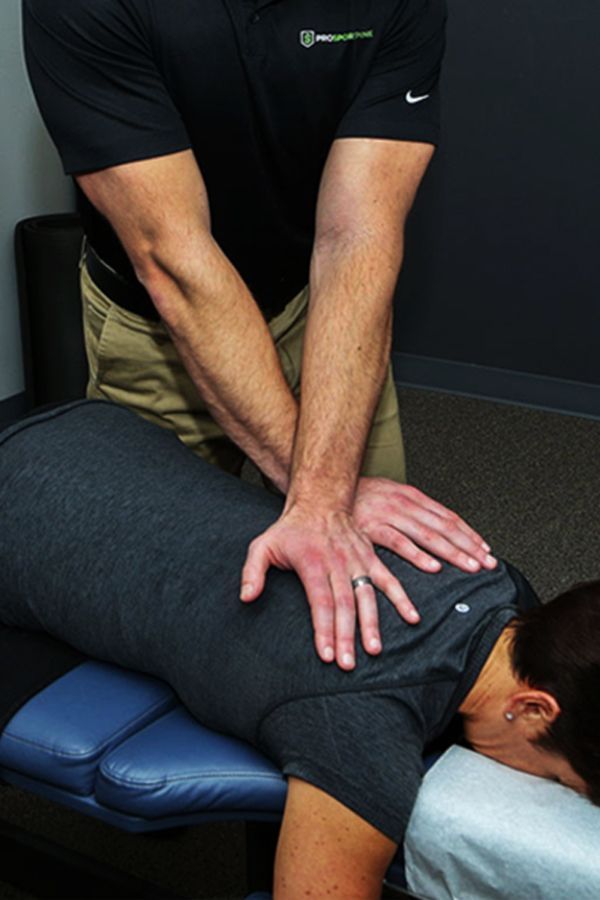
How a sports chiropractor in Toronto speeds healing for sprains, strains & runner's knee, with recovery timelines and re-injury prevention tips.

Leaking, pelvic pain, urgency or back pain? Learn the signs you need pelvic floor physiotherapy and what to expect. Book in Toronto.

A trimester-by-trimester pelvic floor exercise guide plus postpartum recovery timeline, diastasis recti tips, and when to see a physio.