Ready to Relieve Pain the Natural Way? Say Goodbye to Drugs with PT

PracticePromotions • December 3, 2021

Kick Pain Management Drugs to the Curb Today!

The world we live in today is heavily medicated. Go to any grocery store or pharmacy and you’ll find countless over-the-counter drugs. Doctors also consistently prescribe more extreme pain relievers, including opioids that have been widely abused over the years. Drug abuse is everywhere, and it is an ongoing battle that patients are constantly fighting.

If you’ve ever experienced an injury, you know it can turn your everyday life upside down. If it’s a car accident, a sports-related injury, a workplace injury, or even an unintentional fall, the pain from a sudden injury can make you feel helpless. To fight this, many people resort to pain-relieving medications, such as opioids. However, what many people don’t know is how much more damage these drugs do to their bodies than they realize.


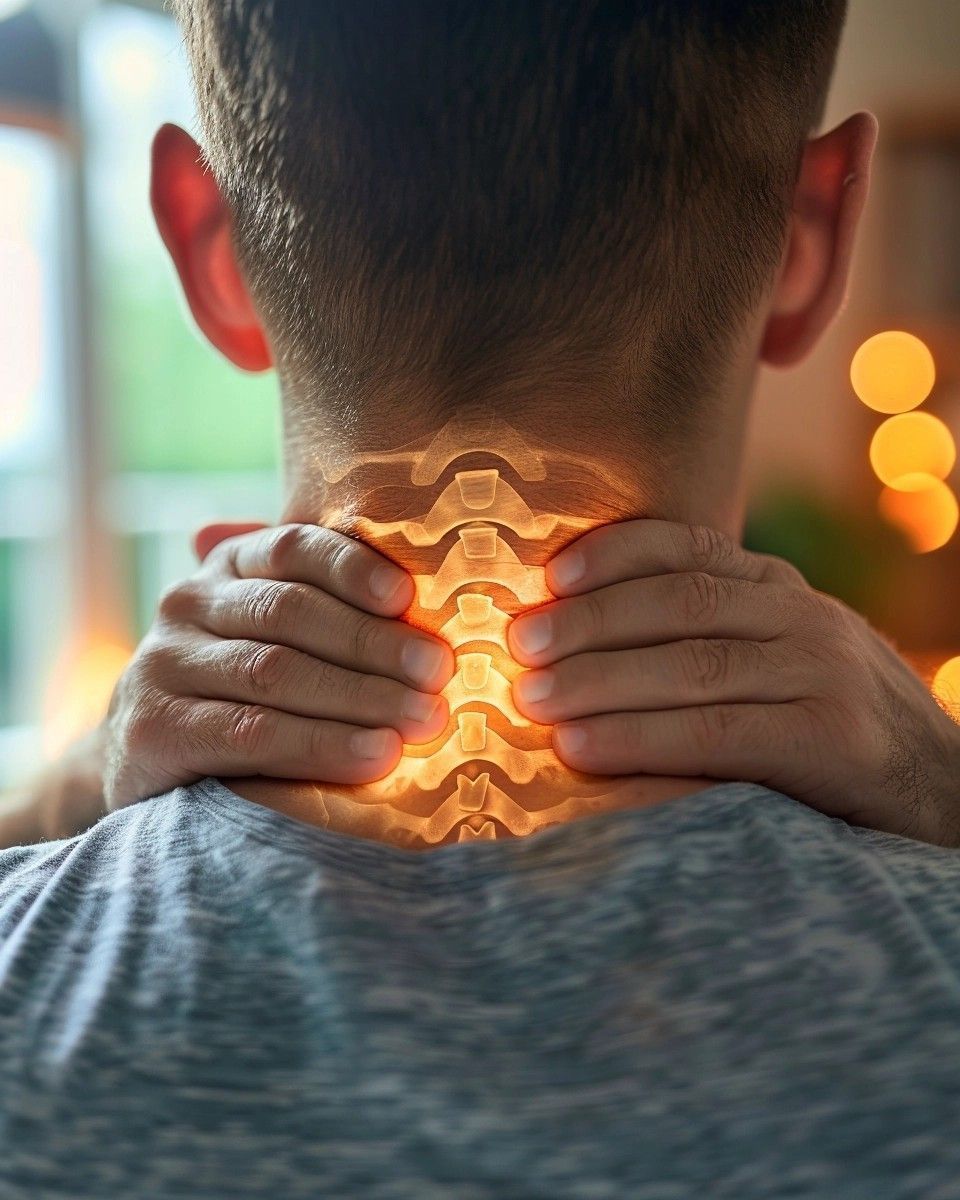
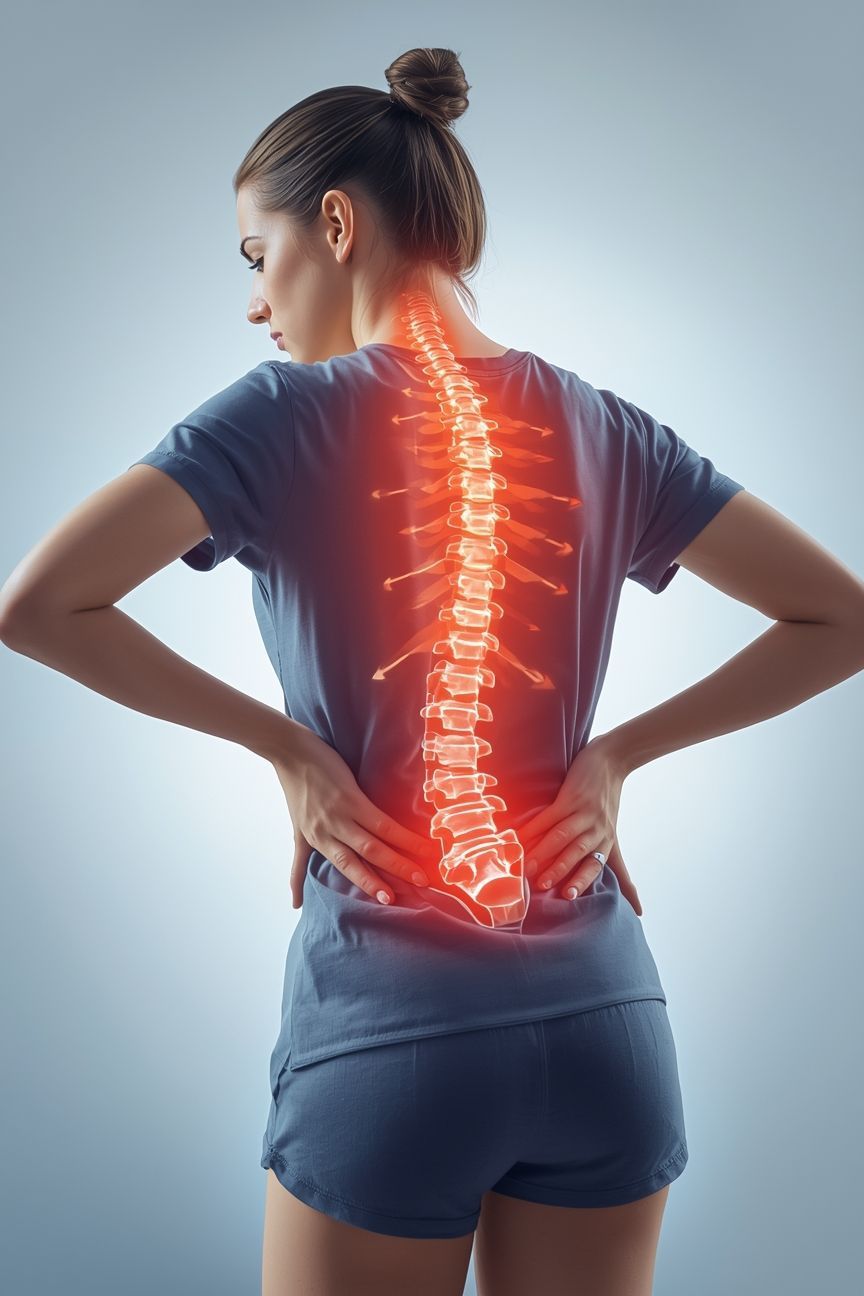
If you’re struggling with chronic pain but don’t want to pump your body full of addictive drugs, you’ll be delighted to discover a better, safer alternative: physiotherapy. Physiotherapy is a natural and effective approach to chronic pain that can make you feel better in the long term. Let’s look at how this kind of natural treatment will boost your quality of life!


You can choose the natural path to pain relief!

Your physiotherapist is going to show you what to do but they don’t have to do all the work! In order for physiotherapy to be effective for you, you have to make an effort.

Our physiotherapists here will take the time to teach you about your pain and the value of maintaining your stretches and workouts at home for long-term relief.

However, at the end of the day, you make the decision to completely partake in your journey to get rid of pain!

How can a physiotherapist help relieve my pain?


Because everybody is different, and the pain levels of everyone are different, physiotherapy procedures must be as well! Depending on your particular condition, your physiotherapy pain treatment strategy may be different from anyone else’s.


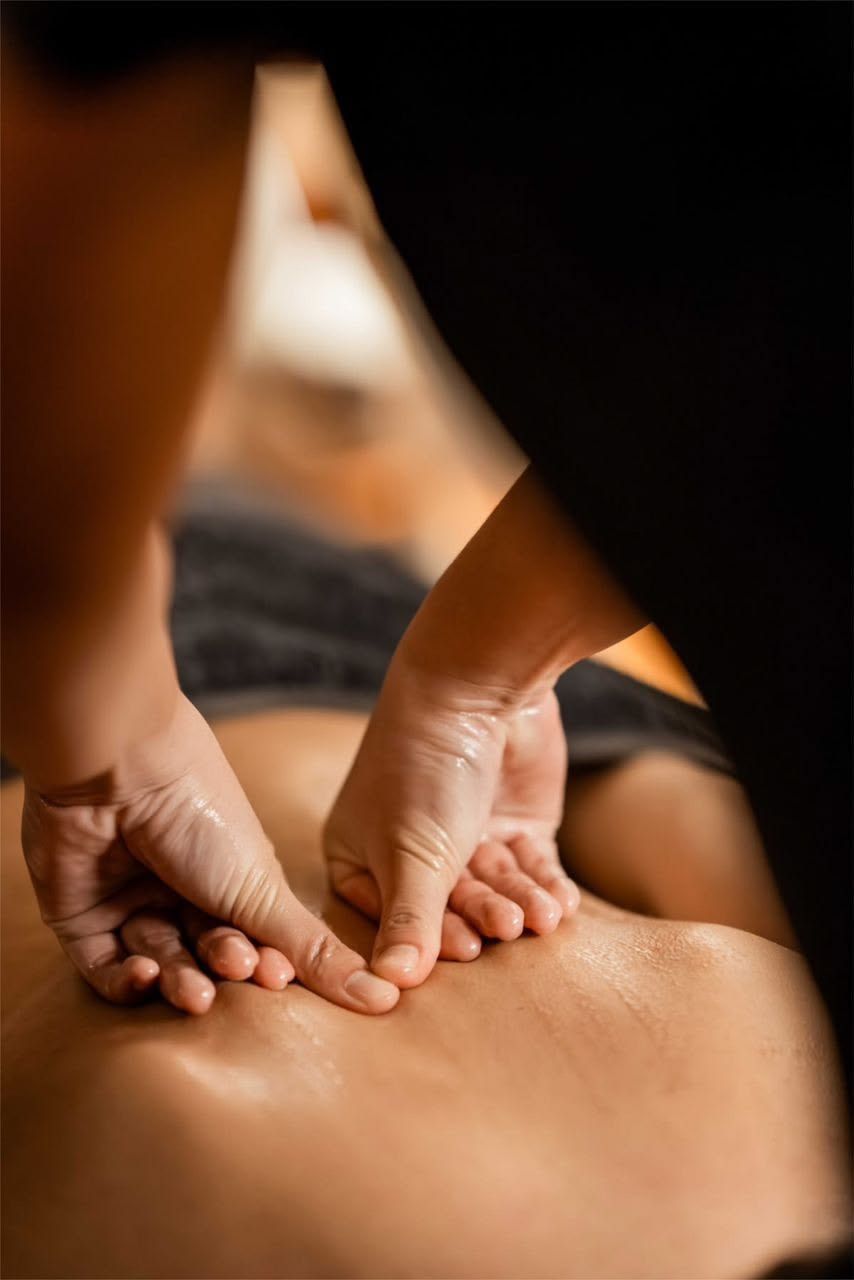
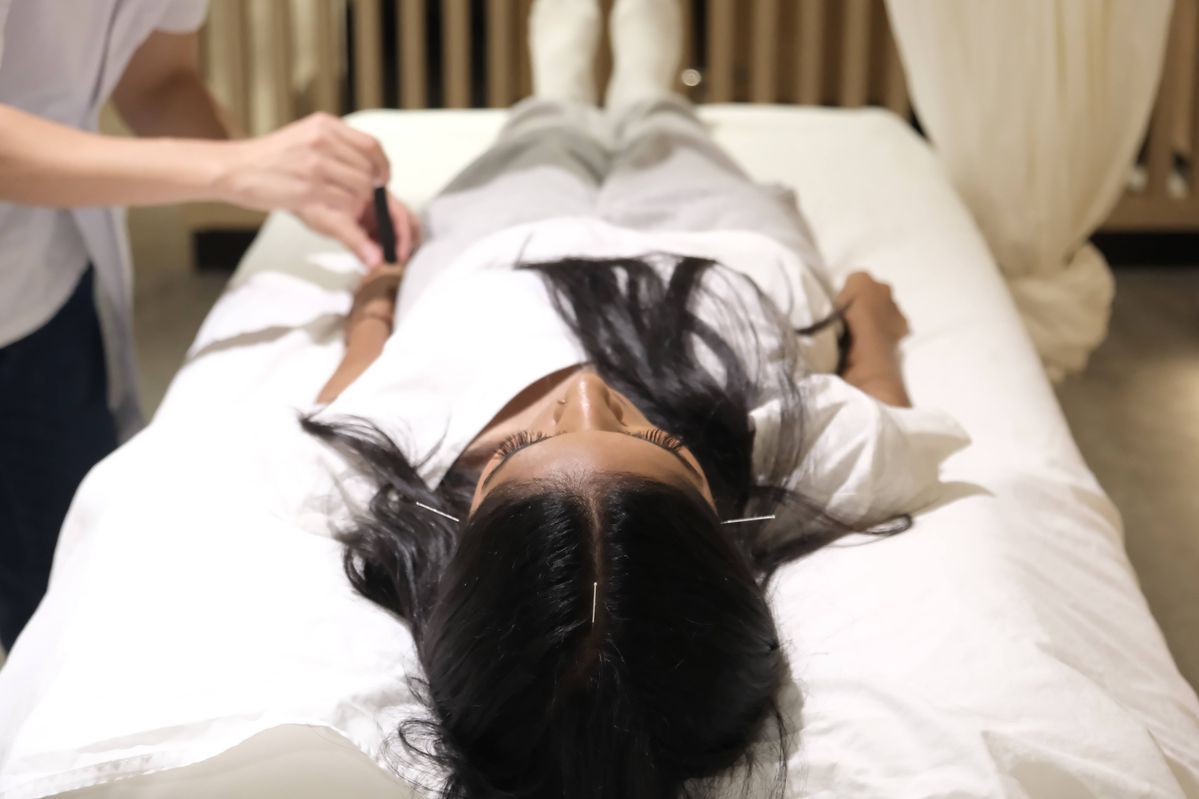
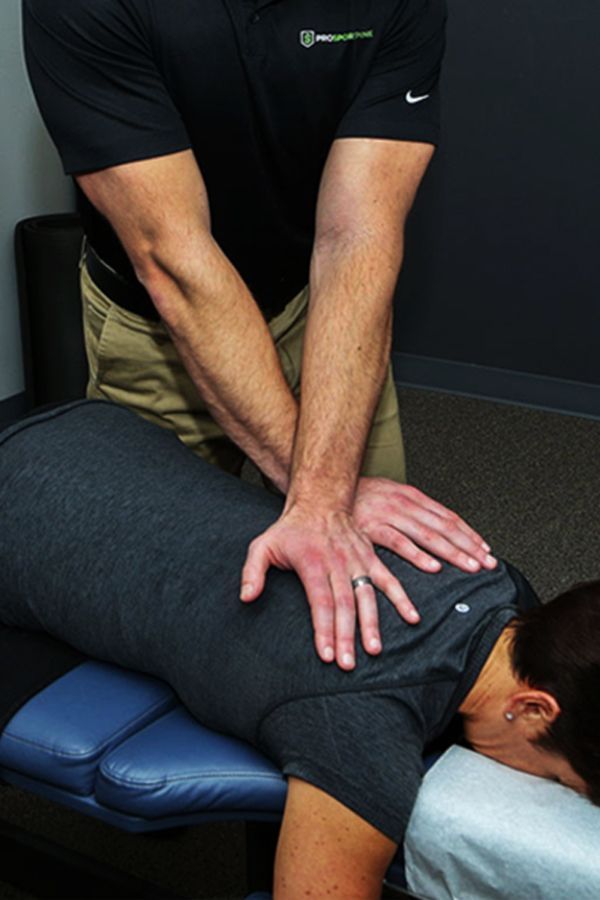
Your doctor might decide to use massage therapy, heat, ice, ultrasound, or other therapies to relieve your pain and speed up the healing process if you are dealing with pain from a recent injury.

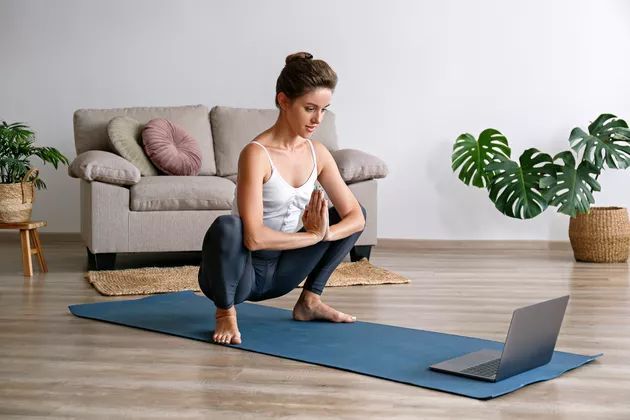
If you are able to get up and exercise comfortably, a physiotherapist will recommend simple stretching, walking, swimming, or cycling to assist with the mobilization process.

These kinds of physiotherapy are excellent for helping to restore mobility to soft tissues, allowing them to function more freely and comfortably. They are also excellent at keeping arthritic joints mobile and lubricated.

Strengthening exercises can repair and rehabilitate weakened muscles to avoid causing pain. Physiotherapy often includes certain exercises to help strengthen your posture, balance, and gait.

Why YOU should choose physiotherapy

If you keep up with the news on a daily basis, you’ve most likely heard about the dangers opioid medications pose. The nation is currently facing an opioid crisis.


Steroids are another dangerous class of prescription medication and pose many risks and dangers to your health. Epidural steroid injections are used to relieve pain but can cause arthritis in the hips, cataracts, stomach ulcers, elevated blood sugar, and nerve damage stemming from the injection itself.


Even ordinary NSAIDs such as ibuprofen are capable of causing liver problems and bleeding in the stomach, which is worrisome because many people who don’t even have chronic injuries use these daily.

Physiotherapy can prevent you from having to deal with all of these unpleasant side effects. Some cases of severe pain might still require you to take medication, but physiotherapy helps plenty of patients decrease — or even eliminate — their dependence on pain medication.

Our physiotherapists will use a combination of treatment techniques to help get your pain condition under control, no matter if it’s from an acute injury, or a wound from a recent surgery.

Physiotherapy is a good option for you especially if you’re looking for ongoing chronic pain management that doesn’t include constant drug usage, or if you’re already on other essential medications and you’re worried about how they will interact with your pain meds.

Ready to get started?

It should be clear now that opioids and over-the-counter medications are not the only choice for pain relief.

There are a variety of treatment services available to you via physiotherapy. Our therapists are here, waiting for your call!

Contact Rosedale Wellness Centre today to learn more about our natural options and get back to a drug-free, pain-free lifestyle.

Source:
By John Velasquez June 24, 2026
Learn how acupuncture treats back pain, what to expect during a session, and what the research says. Read our blog.
By John Velasquez June 24, 2026
Dry Needling vs. Acupuncture: Key Differences, Benefits and Which Is Right for You Muscle pain has a way of creeping into everything. It can make a simple turn of the head feel difficult, interrupt sleep, and slow you down during workouts or long hours at a desk. If you've been dealing with persistent tension, chronic aches, or limited mobility, chances are you've come across two treatments that sound remarkably similar: dry needling and acupuncture. Both involve thin, sterile needles. Both are offered in clinics across Toronto. And both have strong track records of helping people manage pain. But the similarities mostly end there. The difference between dry needling and acupuncture comes down to philosophy, technique, treatment goals, and the conditions each is best suited for. This guide breaks down everything you need to know about dry needling vs. acupuncture so you can have an informed conversation with your practitioner and choose the approach that makes the most sense for your body and your goals. Key Takeaways Dry needling targets muscular trigger points and is rooted in Western musculoskeletal science. It's commonly used for acute muscle pain, sports injuries, and postural tension. Acupuncture is based on Traditional Chinese Medicine (TCM) and works along the body's meridian pathways. It's often chosen for chronic pain, stress, headaches, sleep issues, and general wellness. Both treatments use thin, sterile needles, but the insertion techniques, treatment goals, and clinical reasoning behind each are quite different. Dry needling and acupuncture are both considered safe when performed by trained, licensed practitioners. Many patients benefit from combining both approaches alongside other therapies such as physiotherapy and massage for more complete care. What Is Dry Needling? Dry needling is a modern, evidence-informed treatment used primarily by physiotherapists, chiropractors, and other musculoskeletal specialists. The technique involves inserting thin, solid filament needles directly into myofascial trigger points, which are tight, irritable knots within muscle tissue that can cause local or referred pain. So how does dry needling work, exactly? When a needle is inserted into a trigger point, it can produce a brief involuntary contraction of the muscle, often called a "local twitch response." This twitch is actually a good sign. It indicates that the practitioner has reached the problematic tissue, and the muscle can begin to release its held tension. The result is often a noticeable reduction in tightness, improved blood flow to the area, and decreased pain signalling. The word "dry" simply means no medication or injectable substance is used. It's purely a mechanical intervention. The needle itself is the treatment tool, and the goal is to reset dysfunctional muscle tissue so it can relax and function properly again. Dry needling is grounded in Western anatomical and neurophysiological principles. Practitioners rely on their knowledge of musculoskeletal anatomy, palpation skills, and clinical assessment to determine which muscles and trigger points need attention. It's a focused, targeted approach, and sessions tend to be shorter and more condition-specific than traditional acupuncture. What Is Acupuncture? Acupuncture is one of the oldest medical practices in the world, with roots in Traditional Chinese Medicine (TCM) dating back more than 2,500 years. The foundational concept is that the body contains a network of energy pathways called meridians, through which vital energy, known as Qi (pronounced "chee"), flows. When this energy becomes blocked or imbalanced, pain, illness, and dysfunction can follow. During an acupuncture session, a trained practitioner inserts very fine needles into specific points along these meridians. There are over 360 recognized acupuncture points on the body, and the selection depends on the patient's symptoms, overall health picture, and the practitioner's diagnostic assessment. The goal is to restore balance and encourage the body's natural healing processes. It's worth mentioning that acupuncture has evolved significantly. Many modern practitioners integrate a clinical or "medical acupuncture" approach that combines traditional point selection with current understanding of neuroanatomy and pain science. This blended model is common in Canadian healthcare settings and is used in many multi-disciplinary clinics offering acupuncture in downtown Toronto , including Rosedale Wellness Centre. Acupuncture tends to address the body more broadly. A single session might target pain in one area while also addressing sleep quality, digestive health, or stress. This whole-body perspective is one of the key philosophical differences between acupuncture and dry needling. Dry Needling vs. Acupuncture: Key Differences Understanding the differences between these two treatments can help you decide which one aligns best with your needs. Here's a side-by-side comparison: 
By John Velasquez June 24, 2026
Learn what cupping therapy does to your body, what the marks mean, and what to expect. Evidence-based guide from a Toronto wellness clinic.
By John Velasquez April 22, 2026
How massage therapy helps stressed teens manage anxiety, muscle tension, and emotional strain. Learn safe treatment options at Rosedale Wellness in Toronto.
By John Velasquez April 22, 2026
Struggling with headaches? Learn how chiropractic care, massage therapy, and acupuncture offer lasting natural relief. Expert tips from Rosedale Wellness Toronto.
By John Velasquez April 22, 2026
Everything about scoliosis: types, warning signs, diagnosis, and effective treatments including physiotherapy, chiropractic care, and acupuncture in Toronto.
By John Velasquez April 22, 2026
Think chiropractic care is only for back pain? Explore 10+ conditions Toronto chiropractors treat, from TMJ and sciatica to sports injuries and pregnancy pain.
By John Velasquez April 22, 2026
Learn how acupuncture treats neuralgia and nerve pain. Discover treatment benefits, what to expect, and book at Rosedale Wellness Centre in Toronto.
By John Velasquez April 13, 2026
Nervous about your first visit chiropractor appointment? Discover exactly what happens, from paperwork to your first adjustment. Book your visit today!
By John Velasquez April 13, 2026
Discover how chiropractic care transforms chronic pain management with natural, proven solutions. Address root causes, not just symptoms. Book your consultation today!