Physiotherapy Could Be The Solution To Your Joint Pain

Do you experience joint pain and discomfort on most or all days of the week? Is a stiff and painful joint making you functionally limited and unsafe? Have you had to stop doing the things you enjoy, or even struggle to take care of your basic daily needs, simply because your joint pain is too great? We know how frustrating joint pain can be because we’ve met thousands of people from our community dealing with similar issues. Contact Rosedale Wellness Centre today to find out how an experienced physiotherapist can help you achieve meaningful relief.
If You Have Joint Pain, Physiotherapy Can Help—Here are 5 Ways
Physiotherapists are medical professionals who have undergone extensive training in order to examine, diagnose, and treat musculoskeletal issues like osteoarthritis, rheumatoid arthritis, bursitis, sports injury, and other conditions related to acute and chronic joint pain. The physiotherapy services your PT can provide are able to target the underlying cause and contributing factors of a painful or injured joint—such as weak and tight muscles or poor movement patterns—in addition to helping you feel and move better.
This is quite different from pain medications like opioids, which only temporarily mask pain. Pain medications also come with many known risks including addiction, organ toxicity, and withdrawal symptoms. Physiotherapy is so effective and safe for a wide range of individuals that it’s recommended as one of the first lines of treatment for most kinds of chronic pain by the Centers for Disease Control and Prevention (CDC). Physiotherapy is also considered a part of standard of care for people who have had joint replacement surgeries.
By improving your pain, physiotherapy may help you avoid surgery and can help you avoid long-term use of expensive and potentially harmful drugs! But if you’ve never had physiotherapy before, you may not know what to expect. Here are five ways a physiotherapist can help you get better control over your uncomfortable condition:
1. They Can Teach You About
Research shows that your beliefs and perceptions of pain can significantly influence how much pain you experience and how it affects your life. By increasing your understanding and awareness of pain, a physiotherapist can help you address and modify the psychological factors associated with your experience, as well as the physical factors.
For example, many doctors of physiotherapy are trained in therapeutic neuroscience education (TNE), sometimes called pain neuroscience education (PNE). TNE is an educational model that helps people learn about what pain is and how it develops in the body, and can reduce pain in as little as one educational session.
2. They Can Prescribe and Progress Therapeutic Exercises
We know that people who don’t exercise enough or remain too sedentary are at increased risk of chronic pain. A physiotherapist can teach you exercises specifically geared toward reducing joint pain, stiffness, and inflammation so that you can start increasing your mobility again and take advantage of all the incredible benefits of physical activity.
Physiotherapy exercises can also be beneficial for increasing your strength, flexibility, and balance overall so that your exercise program will be safer and better tolerated.
3. They Can Provide Manual Therapy Techniques
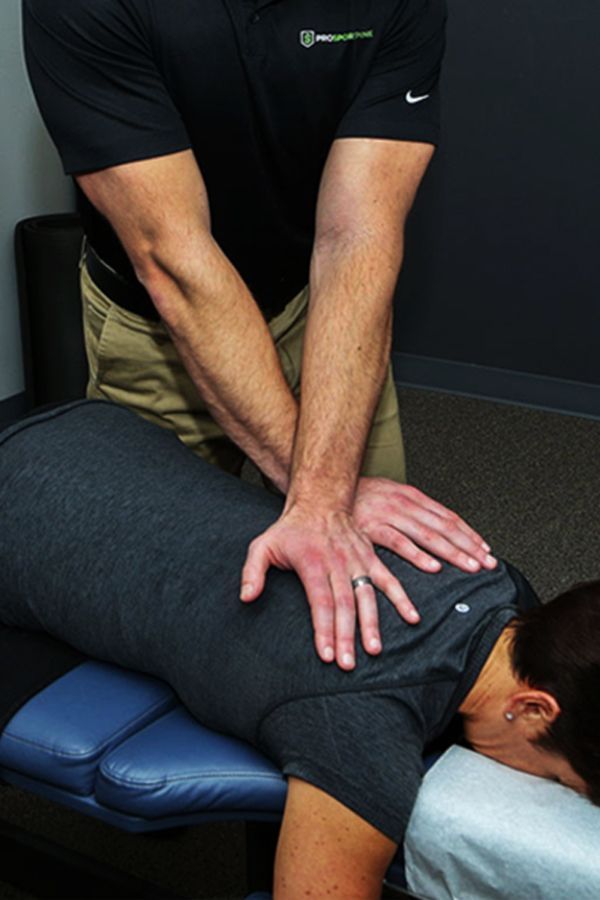
While active participation in your physiotherapy is important for getting the best outcomes, passive techniques like massage therapy and joint mobilizations are excellent additions to any physiotherapy plan of care. These help improve range of motion, increase joint space and alignment, reduce pain, stimulate circulation of blood and lymph fluids, reduce swelling, minimize inflammation, and ease physical and mental stress.
Your physiotherapist may also prescribe non-invasive modalities that have been shown by various research to alleviate pain and improve symptoms. Examples include electrical stimulation, dry needling, diathermy, hot or cold therapy, and kinesiotaping. They can even teach you things like self-myofascial release techniques, which is sort of like self-massage to break up painful tissue adhesions and muscle spasms.
4. They Can Teach You How to Move More Efficiently
The best physiotherapy plan of care isn’t enough on its own to resolve your painful joint. You also need to know what to do, how to do it, and what to avoid when you’re outside the clinic.
A physiotherapist is a great resource for helping you problem-solve your mobility limitations and learn how to move more safely and efficiently. They may recommend things like scheduled rest and activity breaks, adaptive equipment like canes or orthoses, and environmental modifications like grab bars that you can use to reduce strain and stress on your joints. They can also teach you specific ways to move your body during various activities (e.g., getting in and out of bed, going up and down stairs, walking, playing a sport, etc.) in order to improve your body mechanics and minimize pain.
5. They Can Work Collaboratively With the Rest of Your Medical Team
Physiotherapists regularly consult and communicate with physicians, orthopedic surgeons, prosthetists, orthotists, social workers, occupational therapists, speech therapists, dietitians, athletic trainers, pathologists, functional medicine doctors, physiatrists, pyschiatrists, nurse practitioners, and other health professionals. This type of multi-disciplinary collaboration ensures you have good continuity of care so that everyone is on board with your pain control plan, which helps you get the streamlined and cost-effective treatment you need.
By providing their expert input on your function and pain, physiotherapists can also help you and your team make decisions about things like when to return to work or sport, and what type of additional services you could benefit from in your home or community.
Looking for Drug-Free Pain Relief?
Physiotherapy is proven effective for alleviating and preventing pain without drugs or surgery. If you’re ready to discover what it’s like to work with a physiotherapist, Contact us at Rosedale Wellness Centre today to schedule an initial examination.
The post Physiotherapy Could Be The Solution To Your Joint Pain appeared first on Rosedale Wellness Centre .