Acupuncture for Pinched Nerve and Sciatica in Toronto
Experiencing a pinched nerve can be a debilitating and frustrating condition, often leading to pain and discomfort. Finding effective and timely relief is crucial. Acupuncture, an ancient practice with modern relevance, emerges as a beacon of hope for many.
This guide covers pinched nerves and sciatica, the specific nerve compression behind most sciatic leg pain, and how acupuncture can help manage both.
Understanding Pinched Nerves: A Brief Overview
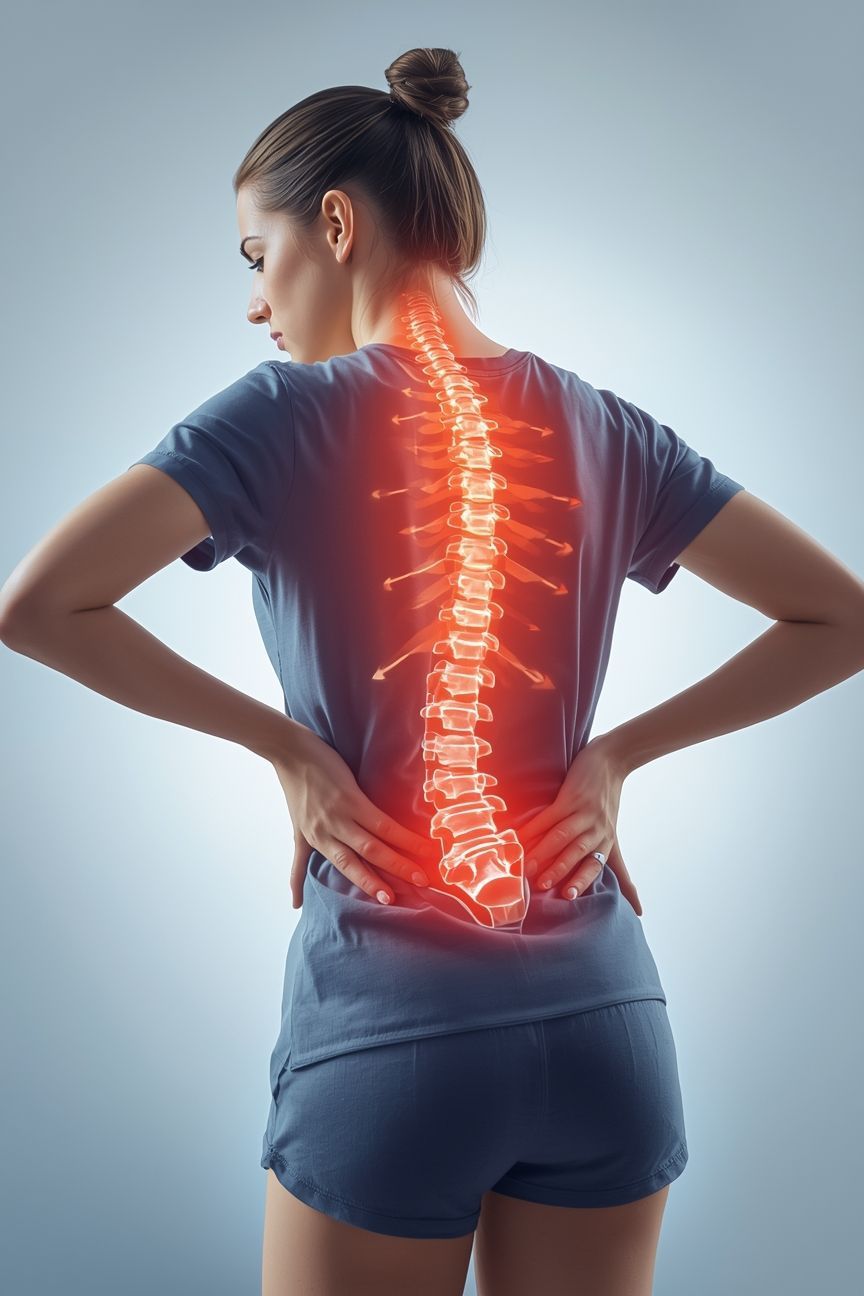
A pinched nerve occurs when excessive pressure is applied to a nerve by surrounding tissues, such as bones, cartilage, muscles, or tendons. This pressure disrupts the nerve's function, causing pain, tingling, numbness, or weakness. Pinched nerves can occur in various parts of the body, including the neck, back, and extremities, leading to conditions like sciatica or carpal tunnel syndrome.
The discomfort from a pinched nerve can range from mild to severe and can significantly impact daily activities and quality of life. Understanding the nature of this condition is the first step towards finding effective treatment options.
Does Acupuncture Help Pinched Nerves?
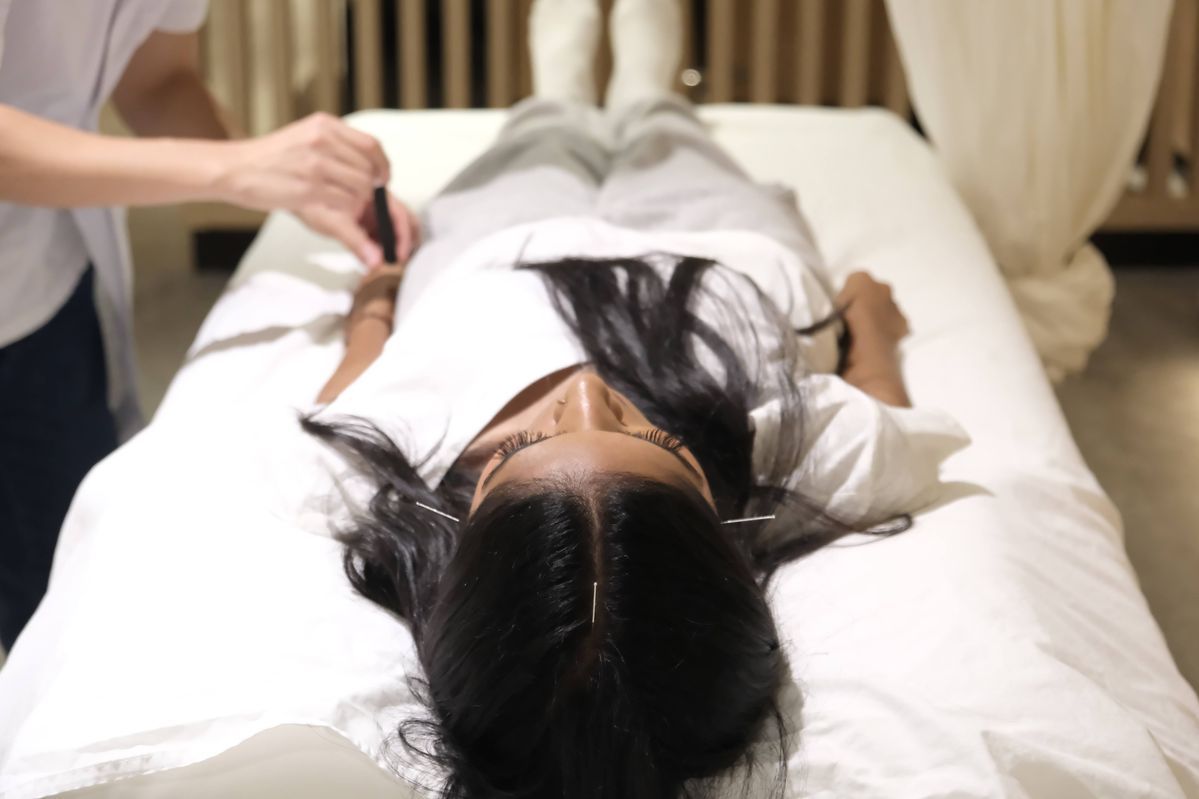
Acupuncture, a key component of traditional Chinese medicine, has been practiced for thousands of years. It involves the insertion of thin needles into specific points on the body, known as acupoints. This process is believed to stimulate the body's natural healing abilities and promote physical and emotional well-being.
The Science Behind Acupuncture and Nerve Pain Relief
Acupuncture is known for its effectiveness in pain relief and reducing inflammation, two primary symptoms of a pinched nerve. By targeting specific acupoints, acupuncture can help alleviate the pressure on the nerve, thus providing relief from pain and discomfort.
Recent studies have shown that acupuncture can increase blood flow in affected areas, reducing inflammation and promoting healing. Additionally, it's believed to stimulate the release of endorphins, the body's natural painkillers, which can significantly reduce the perception of pain.
Acupuncture for Sciatica: Reaching the Nerve Root Behind Leg Pain
Sciatica happens when the sciatic nerve is compressed, usually where it exits the spine at L4 to S1 or where it passes under the piriformis muscle in the glute. That's what sends pain, numbness, or a burning sensation from the lower back through the buttock and down one leg.
The Acupoints We Target for Sciatic Compression
Treatment usually focuses on points along the lower back, hip, and leg, such as Huantiao (GB30) at the hip, Weizhong (BL40) behind the knee, and Yanglingquan (GB34) below it, to release the piriformis and gluteal tension that often adds to the compression.
What the Research Shows
A systematic review and meta-analysis of sciatica treatments found acupuncture outperformed standard pain medication on pain intensity, with an acceptable safety profile, consistent with what we see in the acupuncture for back pain cases we treat here that turn out to have a sciatic component.
When Sciatica Needs More Than Acupuncture
Acupuncture won't create space for a nerve compressed by a herniated disc or bone spur, so it works best alongside treatment for the structural cause. Many patients pair sessions with
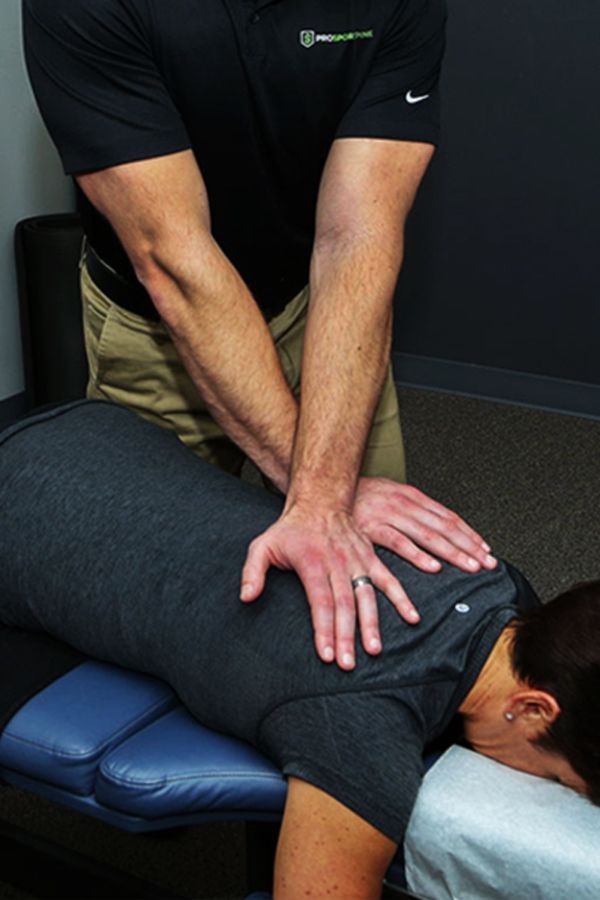
chiropractic care for sciatica for spinal alignment, and anyone with new leg weakness or a change in bowel or bladder control should see a physician right away instead of booking a treatment.
Choosing the Right Therapy for Pinched Nerves
While acupuncture is highly effective, it's important to consider a holistic approach when dealing with pinched nerves. Physiotherapy, massage, and chiropractic care can also play vital roles in treatment. However, acupuncture stands out for its minimal invasiveness and its ability to address both the physical and emotional aspects of pain.
Integrating Multiple Therapies
For the best results, combining acupuncture with other therapies can be highly beneficial. This integrated approach can provide more comprehensive pain relief and faster recovery times.
Duration of Acupuncture Treatment for Nerve Pain
How long acupuncture takes to ease nerve pain depends on the severity of the condition, your overall health, and how often you come in.
Factors Influencing Treatment Duration
Some patients feel relief after a few sessions; others improve gradually over several weeks, since chronic conditions respond slower than acute ones. We tailor the plan accordingly when starting acupuncture in Toronto Downtown.
Recognizing the Effectiveness of Acupuncture
A few signs point to acupuncture working.
Physical and Emotional Indicators
- Reduction in Pain and Discomfort: The most obvious sign is a decrease in the intensity and frequency of pain.
- Improved Mobility: For those with pinched nerves, an increase in range of motion or ease of movement can be a clear indicator.
- Enhanced Overall Well-being: Patients often report better sleep, more energy, and a general sense of well-being.
- Emotional Balance: Acupuncture is known for its ability to reduce stress and anxiety, contributing to an improved emotional state.
Tell your acupuncturist about any changes you notice between visits; a simple pain diary helps track progress.
Booking Acupuncture for Nerve Pain at Our Bloor Street Clinic
A 30-minute acupuncture session at our Downtown Toronto clinic on Bloor Street East runs $90, a 45-minute session is $115, and a full 60-minute session is $140.
How Many Sessions Nerve Pain Usually Takes
Most patients start at two sessions a week for two to three weeks, then we space sessions out as symptoms ease. Acute sciatica from a muscle spasm often responds in four to six visits; a long-standing pinched nerve or disc-related pain can take eight to twelve.
If pinched nerve or sciatic pain is slowing you down, Rosedale Wellness Centre offers acupuncture at our Downtown Toronto clinic alongside physiotherapy and chiropractic care under one roof. Contact us to book an assessment and get a treatment plan built around your symptoms.
Frequently Asked Questions About Acupuncture for Pinched Nerve and Sciatica
Can acupuncture help a pinched nerve in my neck, or only in my lower back?
Yes. We treat a neck pinched nerve with points around the neck and shoulder, and a lumbar or sciatic pinched nerve along the lower back, hip, and leg, the same approach just moved to where the nerve is affected.
How soon after sciatica pain starts should I try acupuncture?
There's no need to wait out the pain first. Acute sciatica that comes on suddenly after lifting or a twist tends to respond faster when treated in the first one to two weeks than pain left untreated for months.
Is it safe to get acupuncture while I'm taking pain medication or muscle relaxants for nerve pain?
Generally yes. Tell your acupuncturist what you're taking and when, since medication can mask the pain signals we use to judge how well a point is working.
Do I need a doctor's referral or an MRI before booking?
No referral or imaging is required to book. If you already have an MRI or X-ray showing a herniated disc or bone spur, bring it to your first visit so we can target the right acupoints.
Can I keep exercising or working while being treated for a pinched nerve or sciatica?
Light activity is usually fine and often helps; we'll flag which movements to ease off at your assessment. Most patients keep working unless their job involves heavy lifting or long periods in one position that aggravate the nerve.
What if acupuncture isn't relieving my sciatica?
See a physician right away if you develop leg weakness or a change in bowel or bladder control; those need urgent medical assessment, not acupuncture. If pain simply isn't easing after six to eight sessions, we'll reassess and may bring in chiropractic or physiotherapy from our team.